Skip navigation

Main menu

  • What's On
  • Visit
  • Art
    • Discover Art
    • Artists
    • Artworks
    • Stories
    Stories
    Stories

    Watch, listen and read

  • Learn
    • Schools
    • Tate Kids
    • Research
    • Activities and workshops
    Tate Kids
    Tate Kids

    Games, quizzes and films for kids

  • Shop
Become a Member
  • Tate Britain
    Tate Britain Free admission
  • Tate Modern
    Tate Modern Free admission
  • Tate Liverpool + RIBA North
    Tate Liverpool + RIBA North Free admission
  • Tate St Ives
    Tate St Ives Ticket or membership card required
  • Families
  • Accessibility
  • Schools
  • Private tours
  • Discover Art
  • Artists
  • Artworks
  • Stories
  • Schools
  • Tate Kids
  • Research
  • Activities and workshops
Tate Logo

Try searching for...

  • J.M.W. Turner
  • Ophelia
  • Tracey Emin

DON'T MISS

Exhibition

Lee Miller

Tate Britain
Until 15 Feb 2026
Exhibition

Theatre Picasso

Tate Modern
Until 12 Apr 2026
Become a Member

Christopher Richard Wynne Nevinson

1889–1946

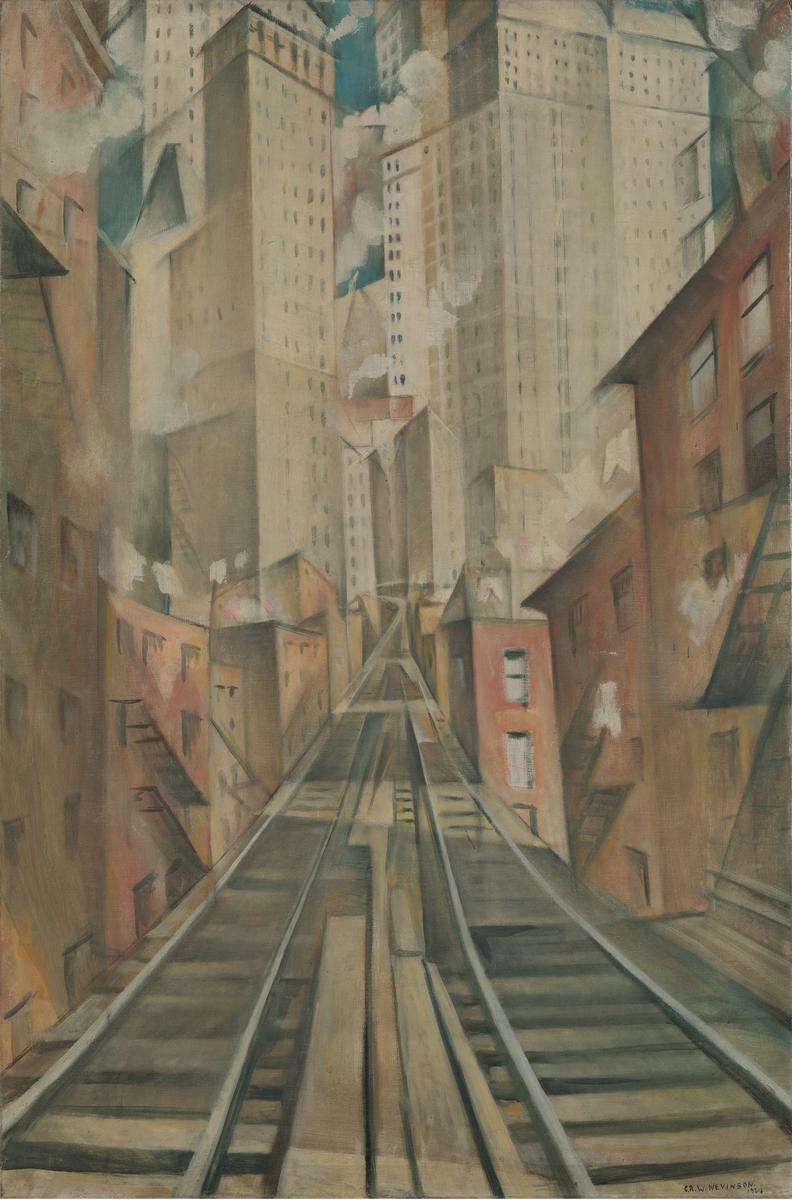
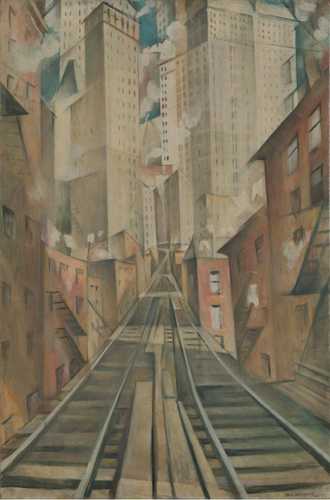
The Soul of the Soulless City (‘New York - an Abstraction’) 1920
License this image
In Tate Britain

Historic and Modern British Art

In Tate St Ives

Modern Art and St Ives

In Tate Britain

Prints and Drawings Rooms

8 artworks by Christopher Richard Wynne Nevinson
View by Appointment

Biography

Christopher Richard Wynne Nevinson (13 August 1889 – 7 October 1946) was an English figure and landscape painter, etcher and lithographer, who was one of the most famous war artists of the First World War. He is often referred to by his initials C. R. W. Nevinson, and was also known as Richard.

Nevinson studied at the Slade School of Art under Henry Tonks and alongside Stanley Spencer and Mark Gertler. When he left the Slade, Nevinson befriended Marinetti, the leader of the Italian Futurists, and the radical writer and artist Wyndham Lewis, who founded the short-lived Rebel Art Centre. However, Nevinson fell out with Lewis and the other 'rebel' artists when he attached their names to the Futurist movement. Lewis immediately founded the Vorticists, an avant garde group of artists and writers from which Nevinson was excluded.

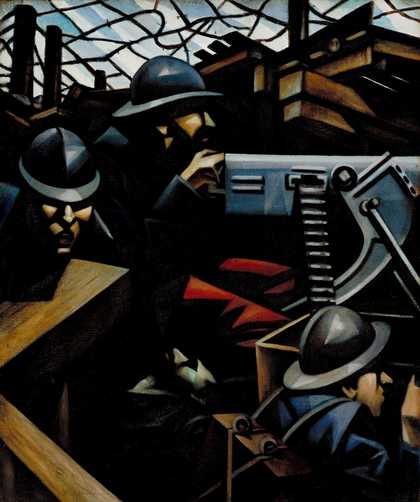
At the outbreak of the First World War, Nevinson joined the Friends' Ambulance Unit and was deeply disturbed by his work tending wounded French and British soldiers. For a very brief period he served as a volunteer ambulance driver before ill health forced his return to Britain. Subsequently, Nevinson volunteered for home service with the Royal Army Medical Corps. He used these experiences as the subject matter for a series of powerful paintings which used the machine aesthetic of Futurism and the influence of Cubism to great effect. His fellow artist Walter Sickert wrote at the time that Nevinson's painting La Mitrailleuse, 'will probably remain the most authoritative and concentrated utterance on the war in the history of painting.' In 1917, Nevinson was appointed an official war artist, but he was no longer finding Modernist styles adequate for describing the horrors of modern war, and he increasingly painted in a more realistic manner. Nevinson's later World War One paintings, based on short visits to the Western Front, lacked the same powerful effect as those earlier works which had helped to make him one of the most famous young artists working in England.

Shortly after the end of the war, Nevinson travelled to the United States of America, where he painted a number of powerful images of New York. However, his boasting and exaggerated claims of his war experiences, together with his depressive and temperamental personality, made him many enemies in both the US and Britain. In 1920, the critic Charles Lewis Hind wrote of Nevinson that 'It is something, at the age of thirty one, to be among the most discussed, most successful, most promising, most admired and most hated British artists.' His post-war career, however, was not so distinguished. Nevinson's 1937 memoir Paint and Prejudice, although lively and colourful, is in parts inaccurate, inconsistent, and misleading.

This biography is from Wikipedia under an Attribution-ShareAlike Creative Commons License. Spotted a problem? Let us know.

Read full Wikipedia entry
Futurism British War Art

Artworks

Left Right

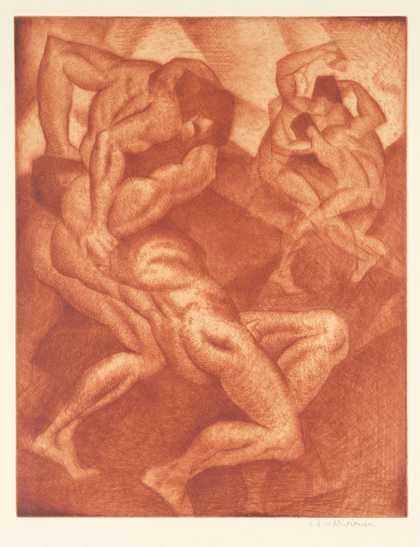
Conflict

Christopher Richard Wynne Nevinson
1927
View by appointment

La Mitrailleuse

Christopher Richard Wynne Nevinson
1915
On display at Tate Britain part of Historic and Modern British Art

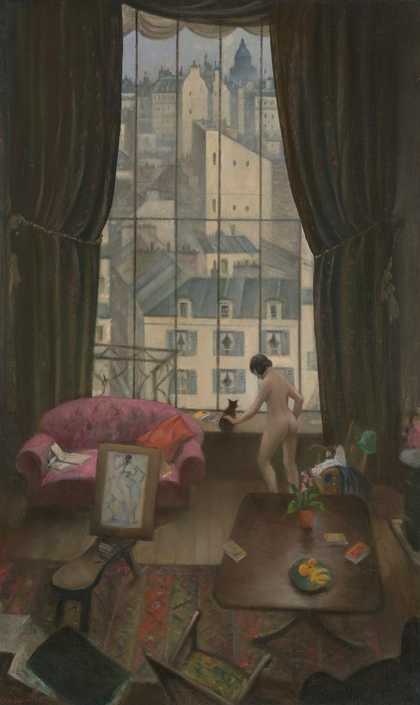
A Studio in Montparnasse

Christopher Richard Wynne Nevinson
exhibited 1926

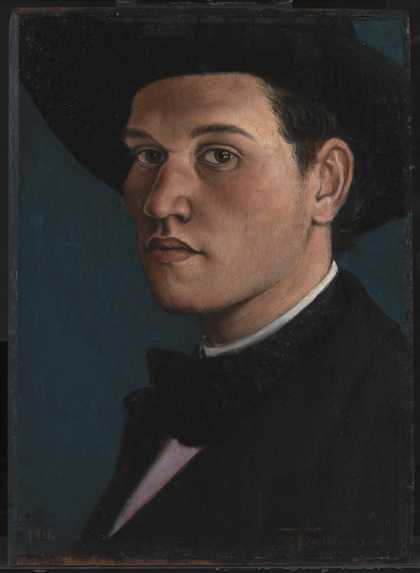
Self-Portrait

Christopher Richard Wynne Nevinson
1911

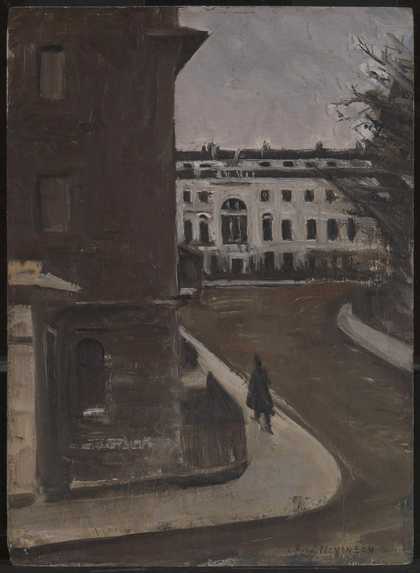
Fitzroy Square

Christopher Richard Wynne Nevinson
1923–4

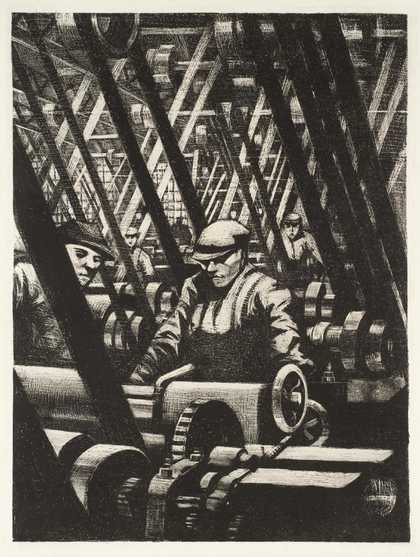
Making the Engine

Christopher Richard Wynne Nevinson
1917
View by appointment

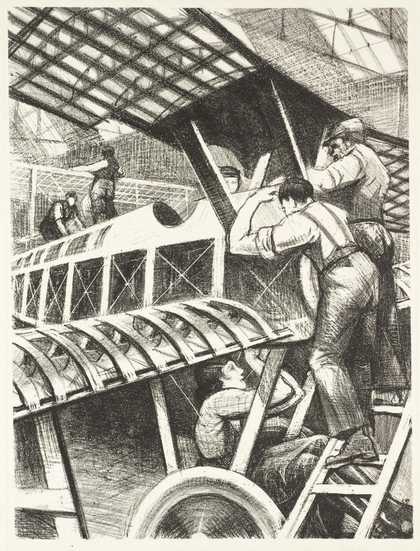
Assembling Parts

Christopher Richard Wynne Nevinson
1917
View by appointment

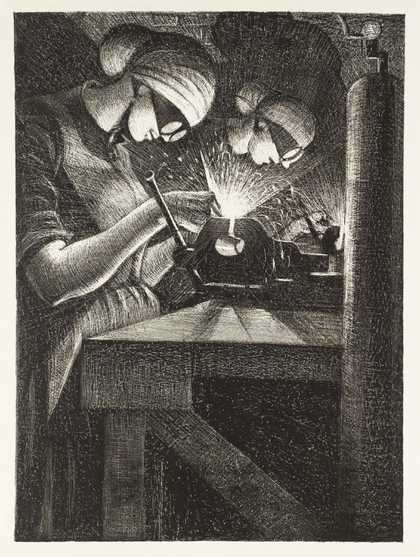
Acetylene Welding

Christopher Richard Wynne Nevinson
1917
View by appointment
See all 19

Artist as subject

Self-Portrait

Christopher Richard Wynne Nevinson
1911

Stories

Inspired by

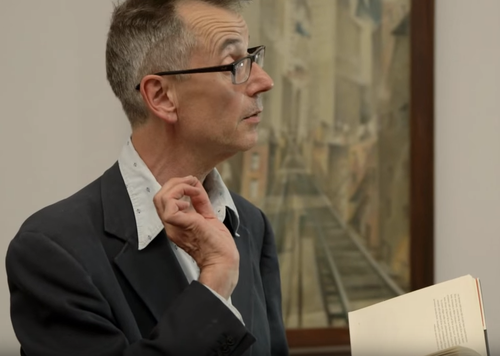
John Hegley Inspired by Christopher Richard Wynne Nevinson

Playlist

MixTate: Minor Victories on Christopher Richard Wynne Nevinson

In the shop

Browse the shop
Artwork
Close

Join in

  • Twitter
  • Facebook
  • YouTube
  • Instagram
  • Pinterest
Sign up to emails

Sign up to emails

This site is protected by reCAPTCHA and the Google Privacy Policy and Terms of Service apply.

Tate’s privacy policy

About

  • About us
  • Our collection
  • Terms and copyright
  • Governance
  • Picture library
  • ARTIST ROOMS
  • Tate Kids

Support

  • Tate Collective
  • Members
  • Patrons
  • Donate
  • Corporate
  • My account
  • Press
  • Jobs
  • Accessibility
  • Privacy
  • Cookies
  • Contact
© The Board of Trustees of the Tate Gallery, 2026
All rights reserved