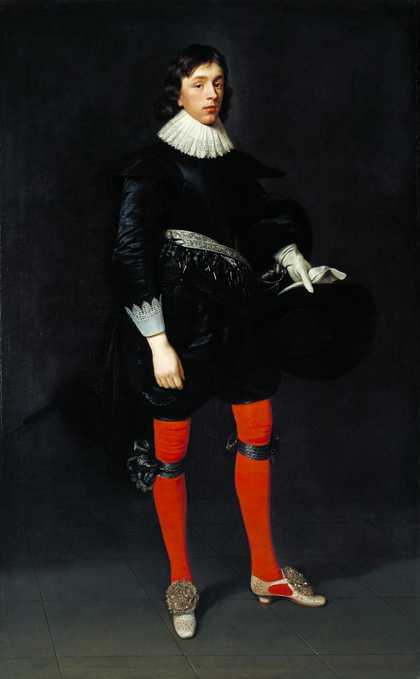
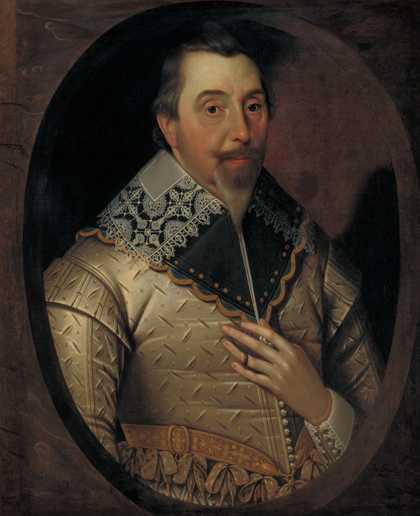
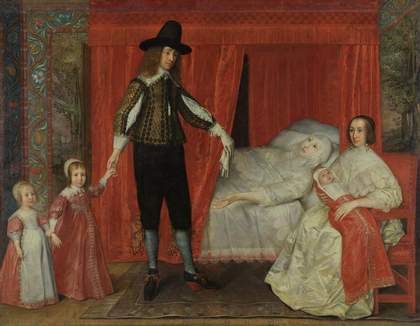
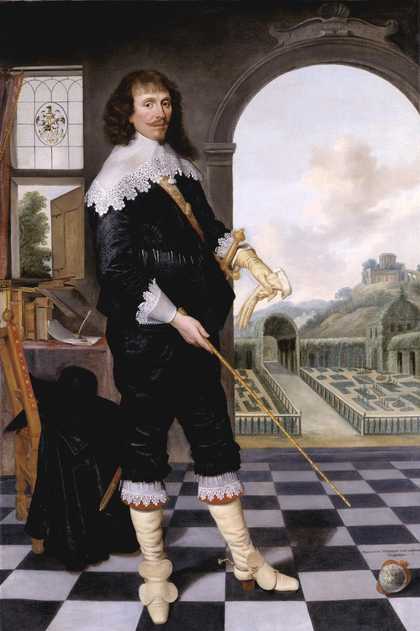
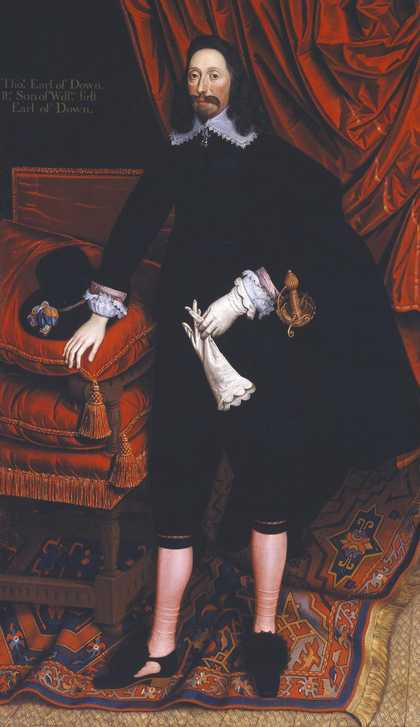
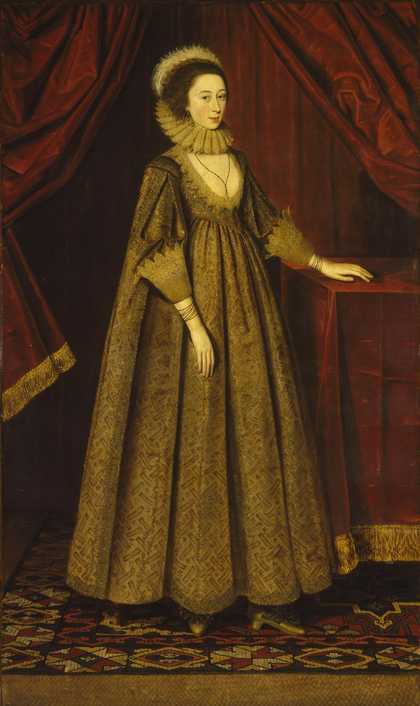
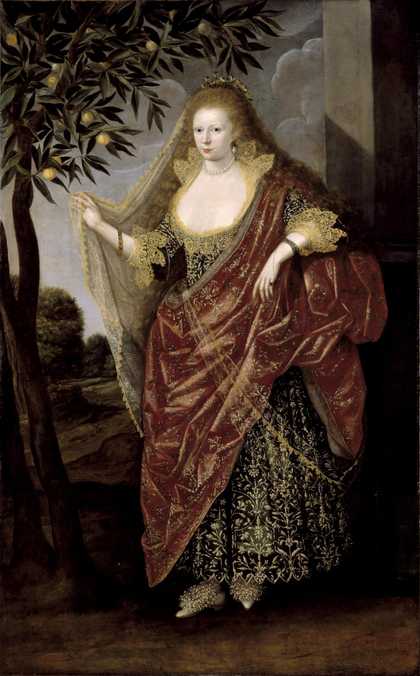
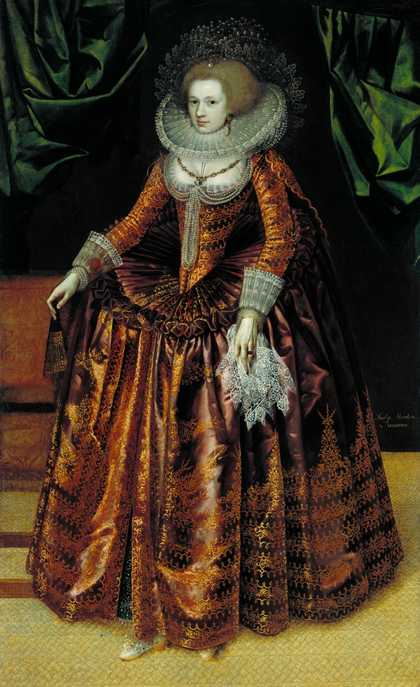
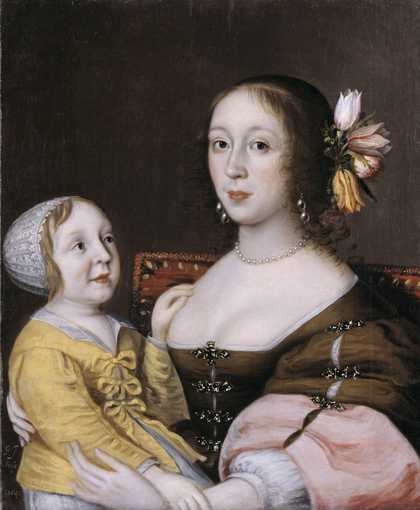
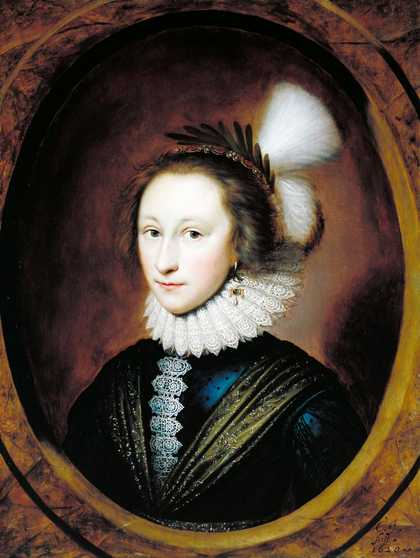
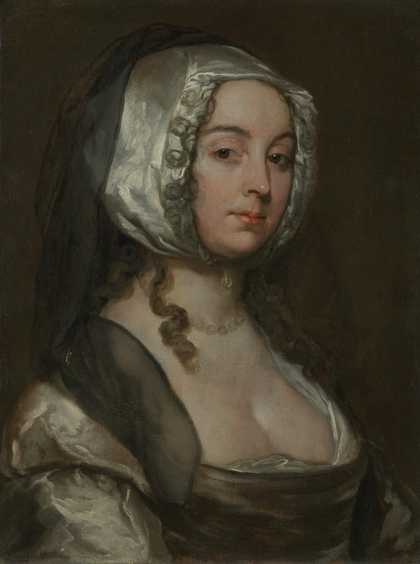
You might like Left Right Portrait of James Hamilton, Earl of Arran, Later 3rd Marquis and 1st Duke of Hamilton, Aged 17 Daniel Mytens the Elder 1623 George Puleston (?) John Souch c.1625–30 The Saltonstall Family David Des Granges c.1636–7 Portrait of William Style of Langley Unknown artist, Britain 1636 Portrait of Sir Thomas Pope, Later 3rd Earl of Downe Unknown artist, Britain c.1635 Gertrude Sadler, Lady Aston Unknown artist, Britain c.1620–3 Portrait of a Lady, Called Elizabeth, Lady Tanfield Unknown artist, Britain 1615 Portrait of Anne Wortley, Later Lady Morton Unknown artist, Britain c.1620 A Lady of the Grenville Family and her Son Gilbert Jackson 1640 Portrait of Susanna Temple, Later Lady Lister Cornelius Johnson 1620 Portrait of the Artist’s Wife William Dobson c.1635–40 Portrait of Lady Margaret Livingstone, 2nd Countess of Wigtown Adam de Colone 1625