Skip navigation
Back to menu
Main menu
What's on
Art
& Artists
The Collection
Artists
Artworks
Art by theme
Media
Videos
Podcasts
Short articles
Learning
Art Terms
Tate Research
Student resources
Art Making
Create like an artist
Kids art activities
Tate Draw game
Visit
Shop
Become a Member
DISCOVER ART
ARTISTS A-Z
ARTWORK SEARCH
ART BY THEME
VIDEOS
ART TERMS
STUDENT RESOURCES
TATE KIDS
RESEARCH
FAMILIES
ACCESSIBILITY
SCHOOLS
PRIVATE TOURS
Search this site
Become a Member
Search this site
Artworks & Archives
(159,851)
Showing
1
–
20
of 159,851 results
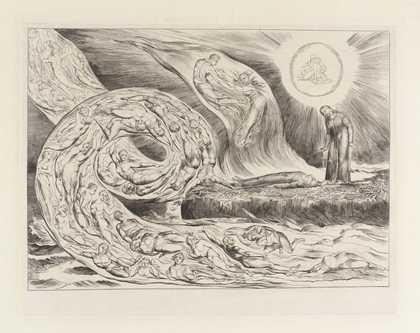
The Circle of the Lustful: Francesca da Rimini (‘The Whirlwind of Lovers’)
William Blake
1826–7, reprinted 1892
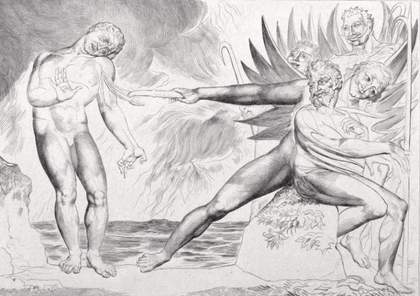
Ciampolo the Barrator Tormented by the Devils
William Blake
1826–7, reprinted 1892
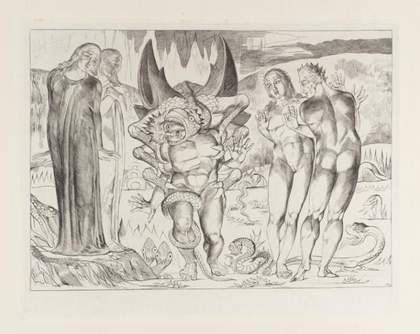
The Six-Footed Serpent Attacking Agnolo Brunelleschi
William Blake
1826–7, reprinted 1892
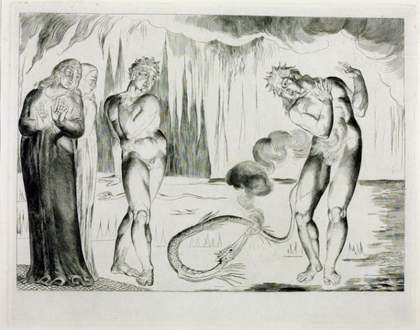
The Serpent Attacking Buoso Donati
William Blake
1826–7, reprinted 1892
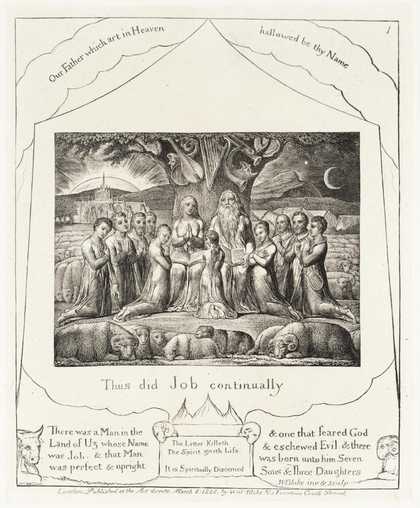
Job and his Family
William Blake
1828, reprinted 1874
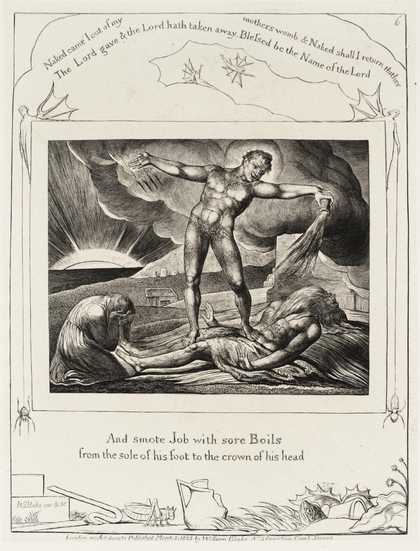
Satan Smiting Job with Sore Boils
William Blake
1825, reprinted 1874
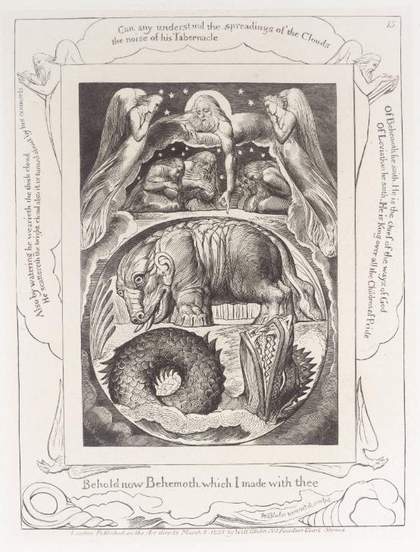
Behemoth and Leviathan
William Blake
1825, reprinted 1874
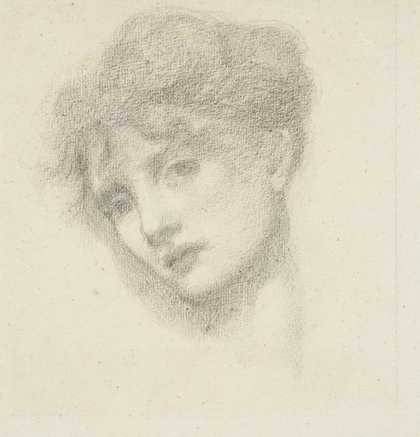
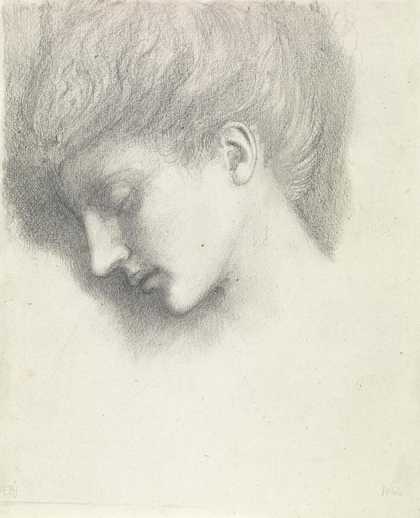
Study of a Woman’s Head
Sir Edward Coley Burne-Jones, Bt
1870
Study of a Sleeping Woman’s Head, possibly for ‘The Rose Bower’ in the ‘Briar Rose’ Series
Sir Edward Coley Burne-Jones, Bt
c.1871–3
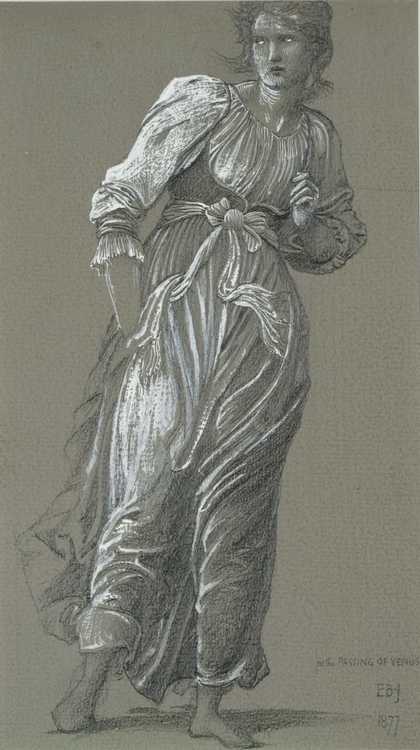
Study of a Standing Woman for ‘The Passing of Venus’
Sir Edward Coley Burne-Jones, Bt
1877
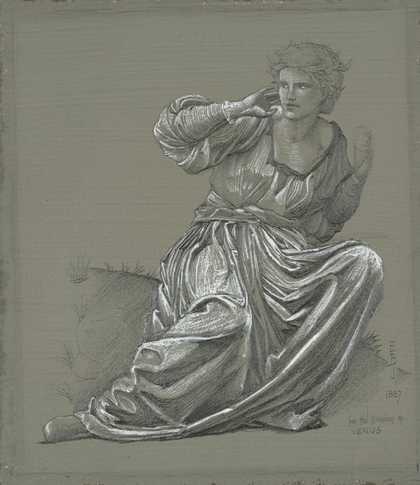
Study of a Seated Woman for ‘The Passing of Venus’
Sir Edward Coley Burne-Jones, Bt
c.1877
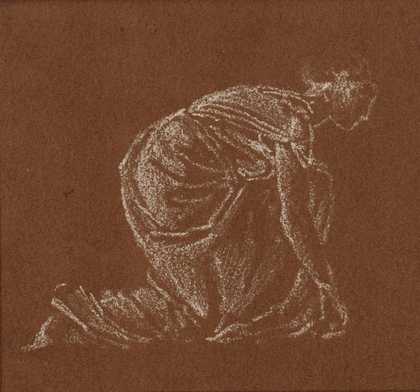
Kneeling Woman
Sir Edward Coley Burne-Jones, Bt
date not known
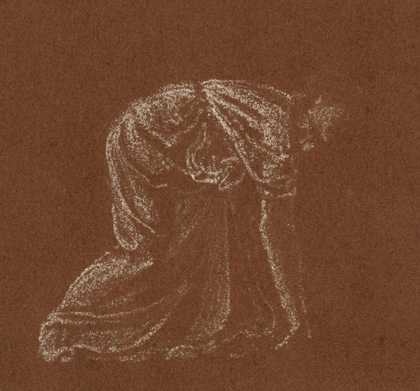
Stooping Woman
Sir Edward Coley Burne-Jones, Bt
date not known
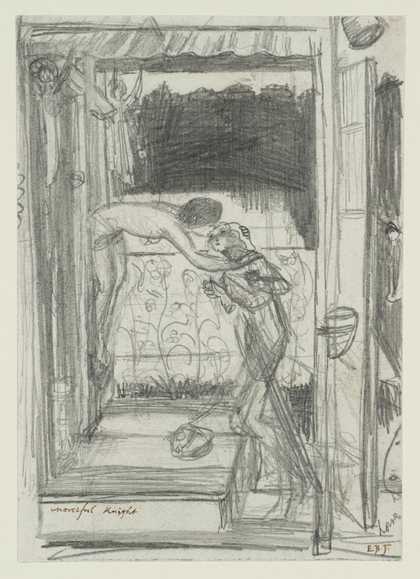
Composition Study for ‘The Merciful Knight’
Sir Edward Coley Burne-Jones, Bt
c.1863
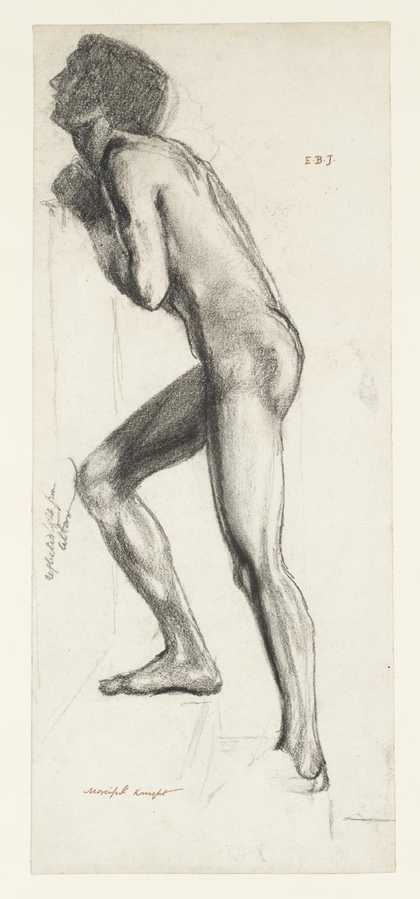
Nude Study of the Knight for ‘The Merciful Knight’
Sir Edward Coley Burne-Jones, Bt
c.1863
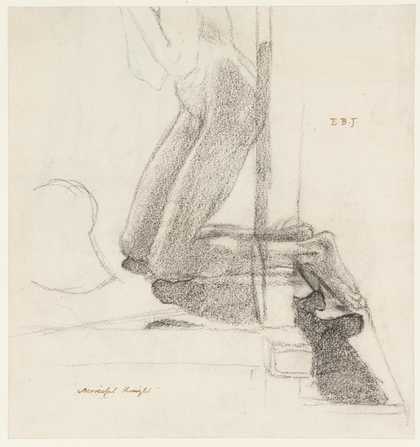
Nude Study of Knight for ‘The Merciful Knight’
Sir Edward Coley Burne-Jones, Bt
c.1863
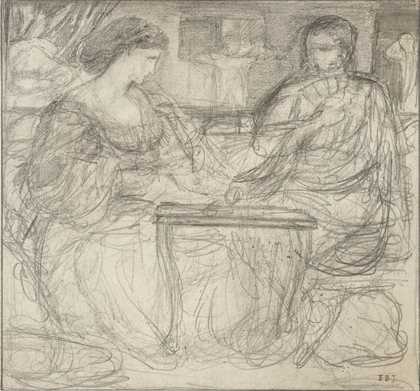
Sketch of Two Seated Figures for ?‘The Backgammon Players’
Sir Edward Coley Burne-Jones, Bt
?c.1861
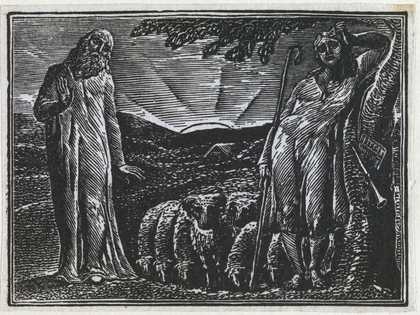
Frontispiece: Thenot and Colinet
William Blake
c.1821, printed 1830
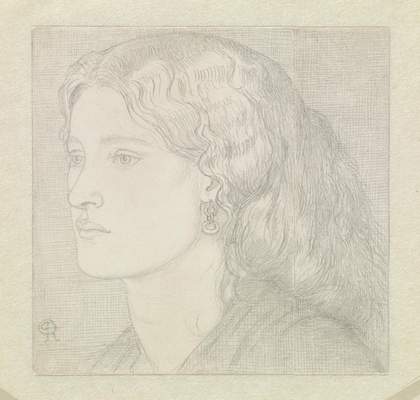
Fanny Cornforth
Dante Gabriel Rossetti
1859
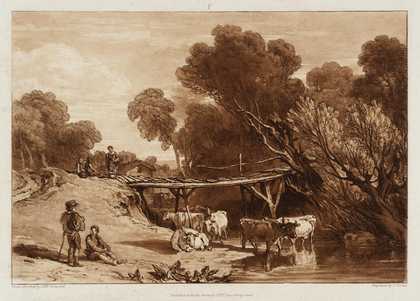
Bridge and Cows, engraved by Charles Turner
Joseph Mallord William Turner
1807
Pagination
1
2
3
4
5
6
…
Next page
Close