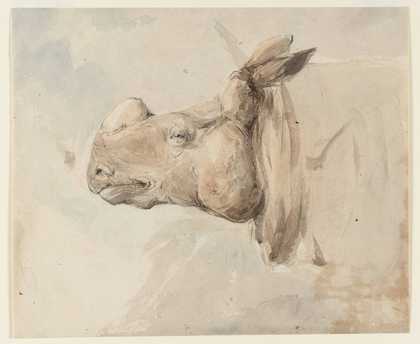
You might like Left Right Three Sketches of Birds Joseph Mallord William Turner 1819 ?Buildings on or near Wren’s Nest Hill, Dudley Joseph Mallord William Turner 1830 Dudley: ?A Quarry, Probably on Wren’s Nest Hill Joseph Mallord William Turner 1830 Dudley: ?A Quarry and Woods, Probably on Wren’s Nest Hill Joseph Mallord William Turner 1830 Dudley: The Castle Keep ?from Wren’s Nest Hill Joseph Mallord William Turner 1830 Dudley: The Castle Keep ?from Wren’s Nest Hill Joseph Mallord William Turner 1830 Dudley: The Castle Keep ?from Wren’s Nest Hill Joseph Mallord William Turner 1830 Dudley: The Castle ?from Wren’s Nest Hill Joseph Mallord William Turner 1830 Dudley: The Castle ?from Wren’s Nest Hill Joseph Mallord William Turner 1830 Apples William Henry Hunt date not known [title not known] Unknown artist, formerly attributed to George Chinnery c.1840–1842 The Head of a Rhinoceros. Verso: Studies of a Peacock and Two Other Birds Edward Angelo Goodall date not known