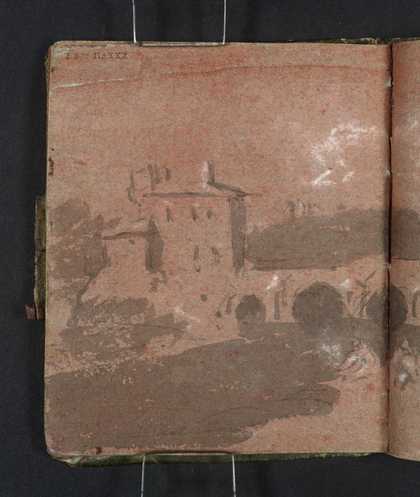
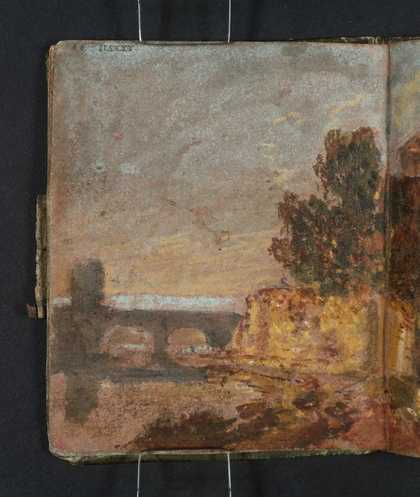
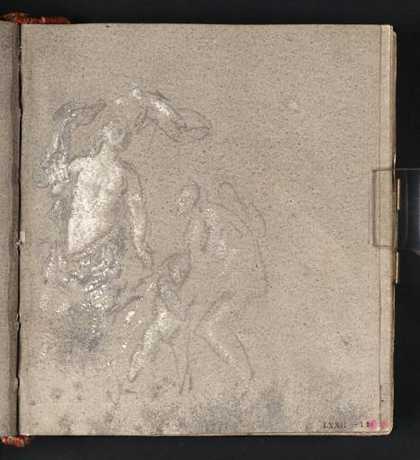
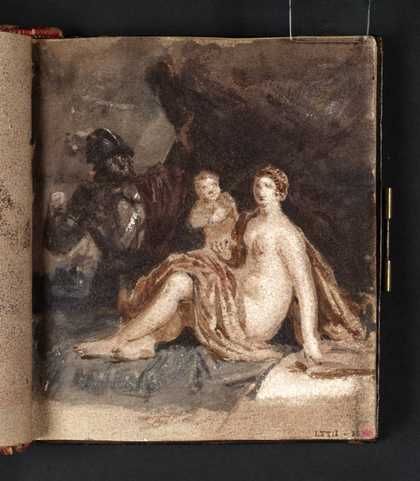
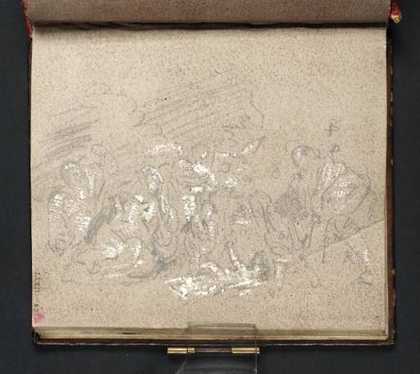
Explore objects(23,571) fine art and design, named works(6,153) Domenichino, painting, ‘Hercules and Cacus’(2) people(22,072) adults(20,120) figure(6,809) religion and belief(2,443) classical myths: gods and heroes(606) Heracles / Hercules(14) You might like Left Right Copy after Richard Wilson: The Bridge of Augustus at Rimini Joseph Mallord William Turner 1796–7 Copy after Richard Wilson: ‘The Convent on the Rock’ Joseph Mallord William Turner 1796–7 Venus at the Forge of Vulcan, after Anthony Van Dyck Joseph Mallord William Turner 1802 Mars and Venus, after Guercino Joseph Mallord William Turner 1802 The Raising of Lazarus, after Guercino Joseph Mallord William Turner 1802 St Roch Interceding for Victims of the Plague, after Peter Paul Rubens Joseph Mallord William Turner 1802 Concert-champêtre, after Giorgione/Titian Joseph Mallord William Turner 1802 The Good Samaritan, after a Rembrandt Follower Joseph Mallord William Turner 1802 The Adoration of the Infant Jesus, after Lorenzo Lotto Joseph Mallord William Turner 1802 Combat of Hercules and Achelous, after Domenichino Joseph Mallord William Turner 1802 Erminia and Valfrino Tending the Wounded Tancred After the Battle with Argante, after Pier Francesco Mola Joseph Mallord William Turner 1802 The Vision of St Bruno, after Pier Francesco Mola Joseph Mallord William Turner 1802 In the shop Browse the shop