Skip navigation

Main menu

  • What's On
  • Visit
  • Art
    • Discover Art
    • Artists
    • Artworks
    • Stories
    Stories
    Stories

    Watch, listen and read

  • Learn
    • Schools
    • Tate Kids
    • Research
    • Activities and workshops
    Tate Kids
    Tate Kids

    Games, quizzes and films for kids

  • Shop
Become a Member
  • View All
  • Tate Modern
  • Tate Britain
  • Tate St Ives
  • Tate Liverpool
  • Exhibitions And Displays
  • On Today
  • Events
  • Tate Britain
    Tate Britain Free admission
  • Tate Modern
    Tate Modern Free admission
  • Tate Liverpool + RIBA North
    Tate Liverpool + RIBA North Free admission
  • Tate St Ives
    Tate St Ives Ticket or membership card required
  • Families
  • Accessibility
  • Schools
  • Private tours
  • Discover Art
  • Artists
  • Artworks
  • Stories
  • Schools
  • Tate Kids
  • Research
  • Activities and workshops
Tate Logo

Try searching for...

  • J.M.W. Turner
  • Ophelia
  • Tracey Emin

DON'T MISS

Exhibition

Lee Miller

Tate Britain
Until 15 Feb 2026
Exhibition

Theatre Picasso

Tate Modern
Until 12 Apr 2026
Become a Member

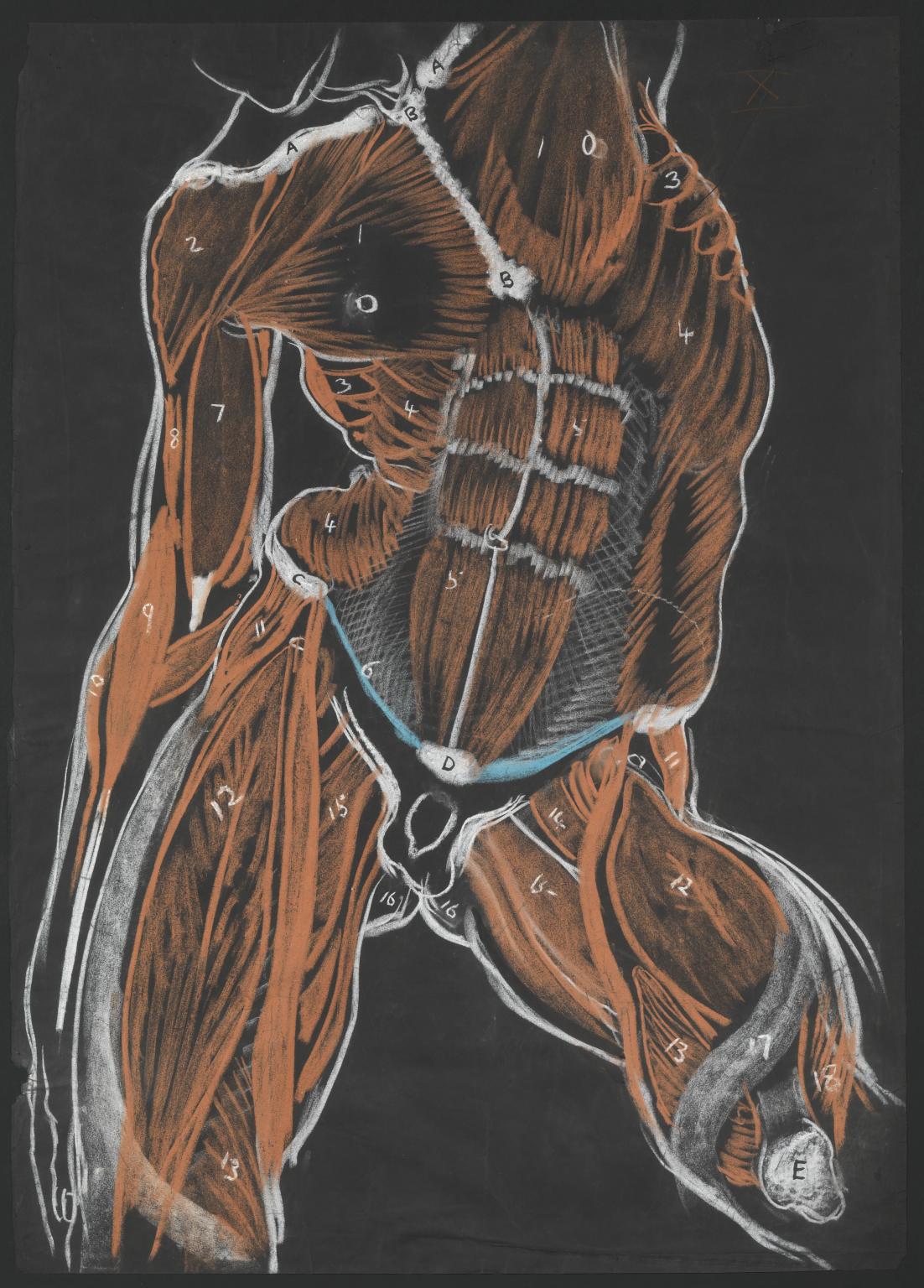
Sir William Orpen

1878–1931

Anatomical Study, Male Torso c.1906
License this image
In Tate Britain

Historic and Modern British Art

In Tate Britain

Prints and Drawings Rooms

1 artworks by Sir William Orpen
View by Appointment

Biography

Major Sir William Newenham Montague Orpen, (27 November 1878 – 29 September 1931) was an Irish artist who mainly worked in London. Orpen was a fine draughtsman and a popular, commercially successful painter of portraits for the well-to-do in Edwardian society, though many of his most striking paintings are self-portraits.

During World War I, he was the most prolific of the official war artists sent by Britain to the Western Front. There he produced drawings and paintings of ordinary soldiers, dead men, and German prisoners of war, as well as portraits of generals and politicians. Most of these works, 138 in all, he donated to the British government; they are now in the collection of the Imperial War Museum. His connections to the senior ranks of the British Army allowed him to stay in France longer than any of the other official war artists, and although he was made a Knight Commander of the Order of the British Empire in the 1918 Birthday Honours, and also elected a member of the Royal Academy of Arts, his determination to serve as a war artist cost him both his health and his social standing in Britain.

After his early death a number of critics, including other artists, were loudly dismissive of Orpen's work, and for many years his paintings were rarely exhibited, a situation that only began to change in the 1980s.

This biography is from Wikipedia under an Attribution-ShareAlike Creative Commons License. Spotted a problem? Let us know.

Read full Wikipedia entry
British War Art

Artworks

Left Right

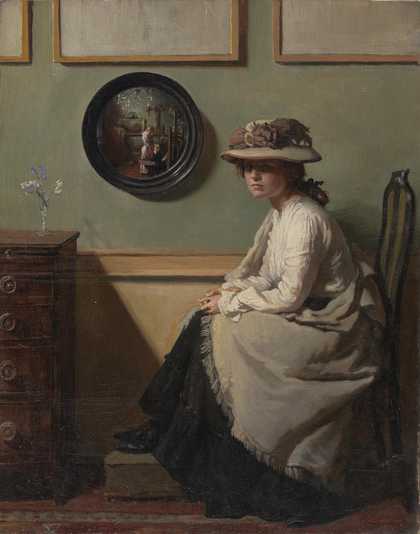
The Mirror

Sir William Orpen
1900

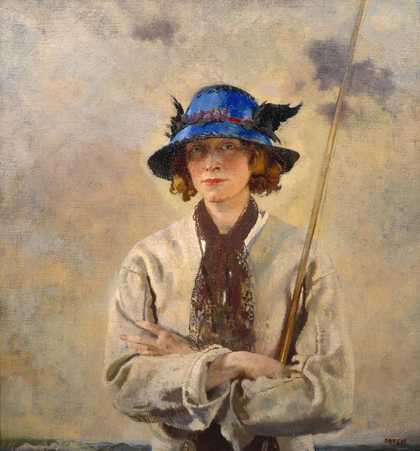
The Angler

Sir William Orpen
c.1912

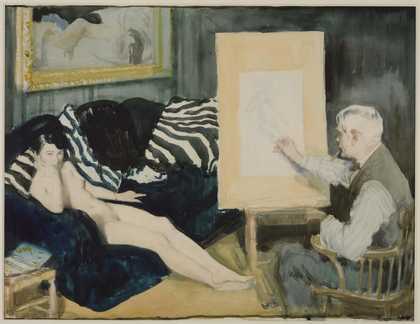
The Model

Sir William Orpen
1911

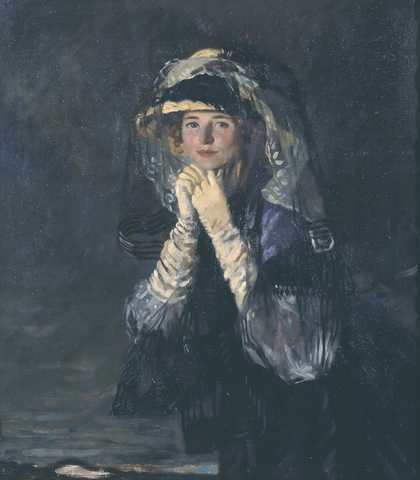
Lady Orpen

Sir William Orpen
exhibited 1907

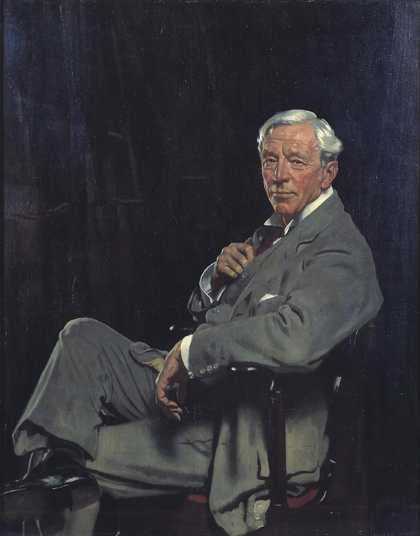
Sir William McCormick

Sir William Orpen
1920

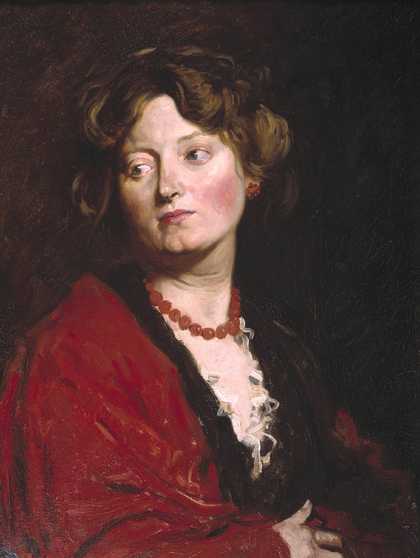
Dame Madge Kendal

Sir William Orpen
c.1927–8

Anita

Sir William Orpen
1905

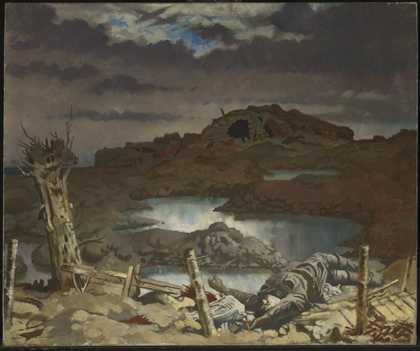
Zonnebeke

Sir William Orpen
1918
On display at Tate Britain part of Historic and Modern British Art
See all 29

Artist as subject

Bravura: Sir William Orpen

Sir Max Beerbohm
1914
View by appointment

The New English Art Club

Sir Max Beerbohm
1907

Stories

Tate Etc

Aftermath: Confronting Oblivion

Joanna Bourke

In the shop

Browse the shop
Artwork
Close

Join in

  • Twitter
  • Facebook
  • YouTube
  • Instagram
  • Pinterest
Sign up to emails

Sign up to emails

This site is protected by reCAPTCHA and the Google Privacy Policy and Terms of Service apply.

Tate’s privacy policy

About

  • About us
  • Our collection
  • Terms and copyright
  • Governance
  • Picture library
  • ARTIST ROOMS
  • Tate Kids

Support

  • Tate Collective
  • Members
  • Patrons
  • Donate
  • Corporate
  • My account
  • Press
  • Jobs
  • Accessibility
  • Privacy
  • Cookies
  • Contact
© The Board of Trustees of the Tate Gallery, 2026
All rights reserved