Skip navigation

Main menu

  • What's On
  • Visit
  • Art
    • Discover Art
    • Artists
    • Artworks
    • Stories
    Stories
    Stories

    Watch, listen and read

  • Learn
    • Schools
    • Tate Kids
    • Research
    • Activities and workshops
    Tate Kids
    Tate Kids

    Games, quizzes and films for kids

  • Shop
Become a Member
  • View All
  • Tate Modern
  • Tate Britain
  • Tate St Ives
  • Tate Liverpool
  • Exhibitions And Displays
  • On Today
  • Events
  • Tate Britain
    Tate Britain Free admission
  • Tate Modern
    Tate Modern Free admission
  • Tate Liverpool + RIBA North
    Tate Liverpool + RIBA North Free admission
  • Tate St Ives
    Tate St Ives Ticket or membership card required
  • Families
  • Accessibility
  • Schools
  • Private tours
  • Discover Art
  • Artists
  • Artworks
  • Stories
  • Schools
  • Tate Kids
  • Research
  • Activities and workshops
Tate Logo

Try searching for...

  • J.M.W. Turner
  • Ophelia
  • Tracey Emin

DON'T MISS

Exhibition

Turner & Constable: Rivals & Originals

Tate Britain
Until 12 Apr 2026
Exhibition

Theatre Picasso

Tate Modern
Until 12 Apr 2026
Become a Member

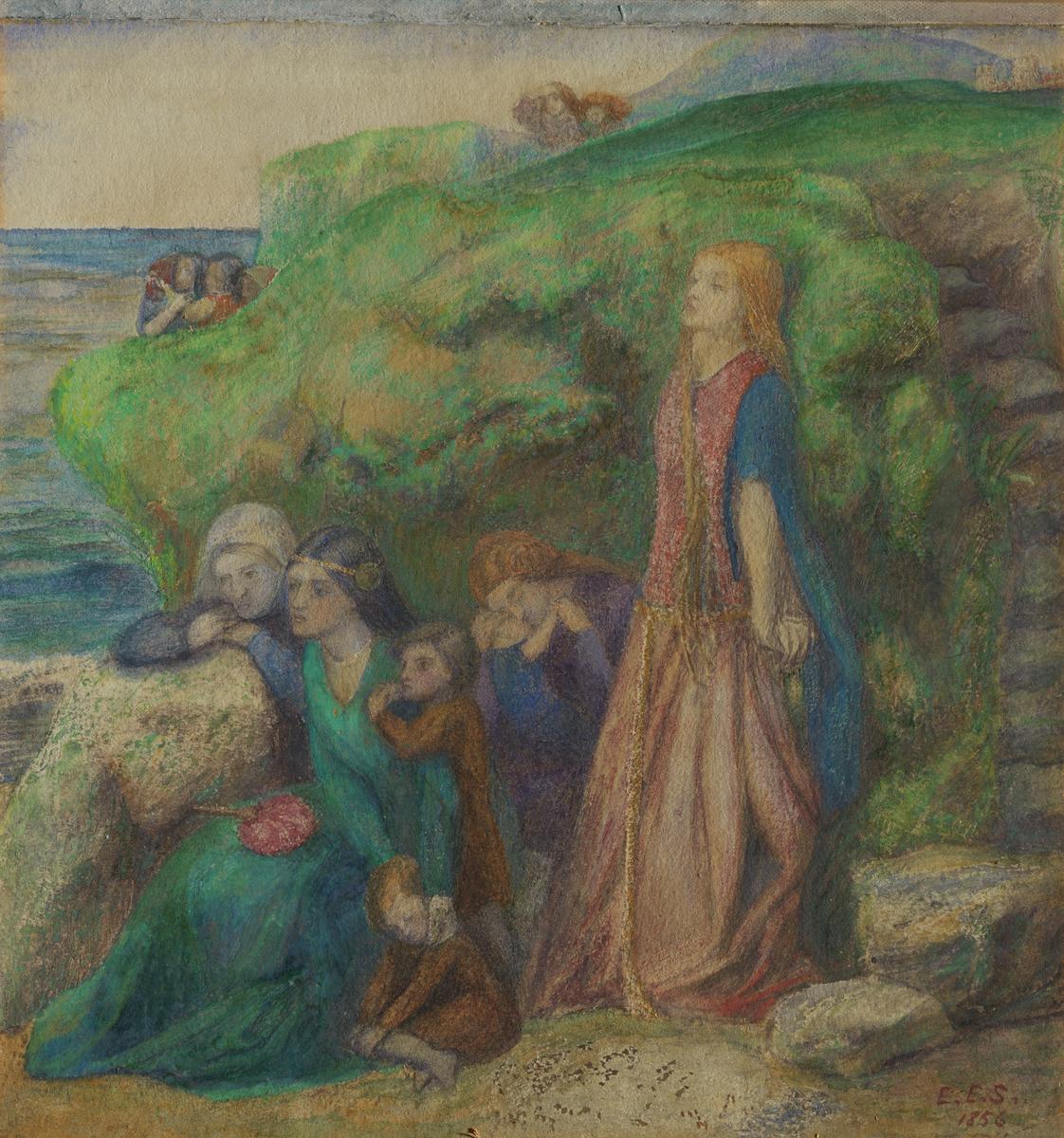
Elizabeth Eleanor Siddal

1829–1862

Sir Patrick Spens 1856
License this image

Biography

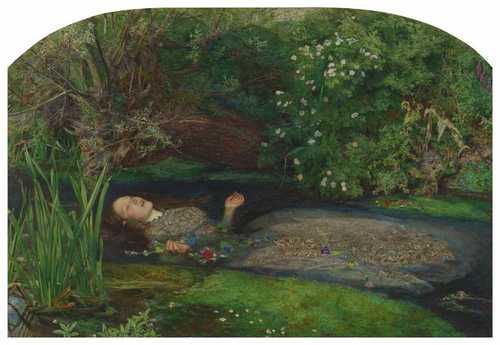
Elizabeth Eleanor Siddall (25 July 1829 – 11 February 1862), better known as Elizabeth Siddal (a spelling she adopted in 1853), was an English artist, art model, and poet. Siddal was perhaps the most significant of the female models who posed for the Pre-Raphaelite Brotherhood. Their ideas of female beauty were fundamentally influenced and personified by her. Walter Deverell and William Holman Hunt painted Siddal, and she was the model for John Everett Millais's famous painting Ophelia (1852). Early in her relationship with Dante Gabriel Rossetti, Siddal became his muse and exclusive model, and he portrayed her in almost all his early artwork depicting women.

Siddal became an artist in her own right and was the only woman to exhibit at an 1857 Pre-Raphaelite exhibition. Significant collections of her artworks can be found at Wightwick Manor and the Ashmolean Museum. Sickly and melancholic during the last decade of her life, Siddal died of a laudanum overdose in 1862 during her second year of marriage to Rossetti.

This biography is from Wikipedia under an Attribution-ShareAlike Creative Commons License. Spotted a problem? Let us know.

Read full Wikipedia entry
Pre-Raphaelite

Artworks

Lady Affixing Pennant to a Knight’s Spear

Elizabeth Eleanor Siddal
c.1856

Sir Patrick Spens

Elizabeth Eleanor Siddal
1856

Artist as subject

Left Right

Rossetti’s Courtship

Sir Max Beerbohm
1916

Miss Cornforth: ‘Oh, very pleased to meet Mr Ruskin, I’m sure’

Sir Max Beerbohm
1916

Spring Cottage, Hampstead, 1860

Sir Max Beerbohm
1917

Beata Beatrix

Dante Gabriel Rossetti
c.1864–70
On display at Tate Britain part of Historic and Modern British Art

Ophelia

Sir John Everett Millais, Bt
1851–2
On display at Tate Britain part of Historic and Modern British Art

The Tune of the Seven Towers

Dante Gabriel Rossetti
1857

The Passover in the Holy Family

Dante Gabriel Rossetti
1856

Dantis Amor

Dante Gabriel Rossetti
1860

St Catherine

Dante Gabriel Rossetti
1857

Elizabeth Siddal in a Chair. Verso: Elizabeth Siddal in a Chair

Dante Gabriel Rossetti
c.1853
View by appointment

St George and Princess Sabra

Dante Gabriel Rossetti
1862

Stories

Look Closer

The Story of Ophelia

Look Closer

The Real Ophelia

In the shop

Browse the shop
Artwork
Close

Join in

  • Twitter
  • Facebook
  • YouTube
  • Instagram
  • Pinterest
Sign up to emails

Sign up to emails

This site is protected by reCAPTCHA and the Google Privacy Policy and Terms of Service apply.

Tate’s privacy policy

About

  • About us
  • Our collection
  • Terms and copyright
  • Governance
  • Picture library
  • ARTIST ROOMS
  • Tate Kids

Support

  • Tate Collective
  • Members
  • Patrons
  • Donate
  • Corporate
  • My account
  • Press
  • Jobs
  • Accessibility
  • Privacy
  • Cookies
  • Contact
© The Board of Trustees of the Tate Gallery, 2026
All rights reserved