

Tony Ray-Jones Bournemouth 1967 Tony Ray-Jones © Board of Trustees of the Science Museum
These photographs chronicle and celebrate English customs, traditions and leisure activities in the 1960s
Born in 1941 in Wells, Somerset, Tony Ray-Jones trained in graphic design in London before moving to the United States from 1961 to 1965. On his return to the UK, he was struck by the growing influence of North America, especially the popularity of US films, TV shows and music. He swiftly embarked on a project capturing aspects of traditional English culture, which seemed at risk of disappearing forever. Ray-Jones photographed seaside resorts and events such as festivals and shows. He also documented life in London’s streets, including markets, fairs and children playing.
Equipped with a 35mm Leica M camera, which he would hide inside his raincoat, Ray-Jones’s depictions of the world around him were unstaged and spontaneous. He was attuned to moments when different social classes and communities came together. Recording his subjects with sensitivity, he photographed what he called ‘their habits and their way of life, and the ironies that exist in the way they do things.’
Ray-Jones developed a striking and distinctive visual style. His photographic career spanned just over a decade, yet his observational work influenced a generation of photographers that followed him. Ray-Jones said photography can be a mirror, reflecting life as it is, but ‘I have tried to show the sadness and humour in a gentle madness that prevails in people.’
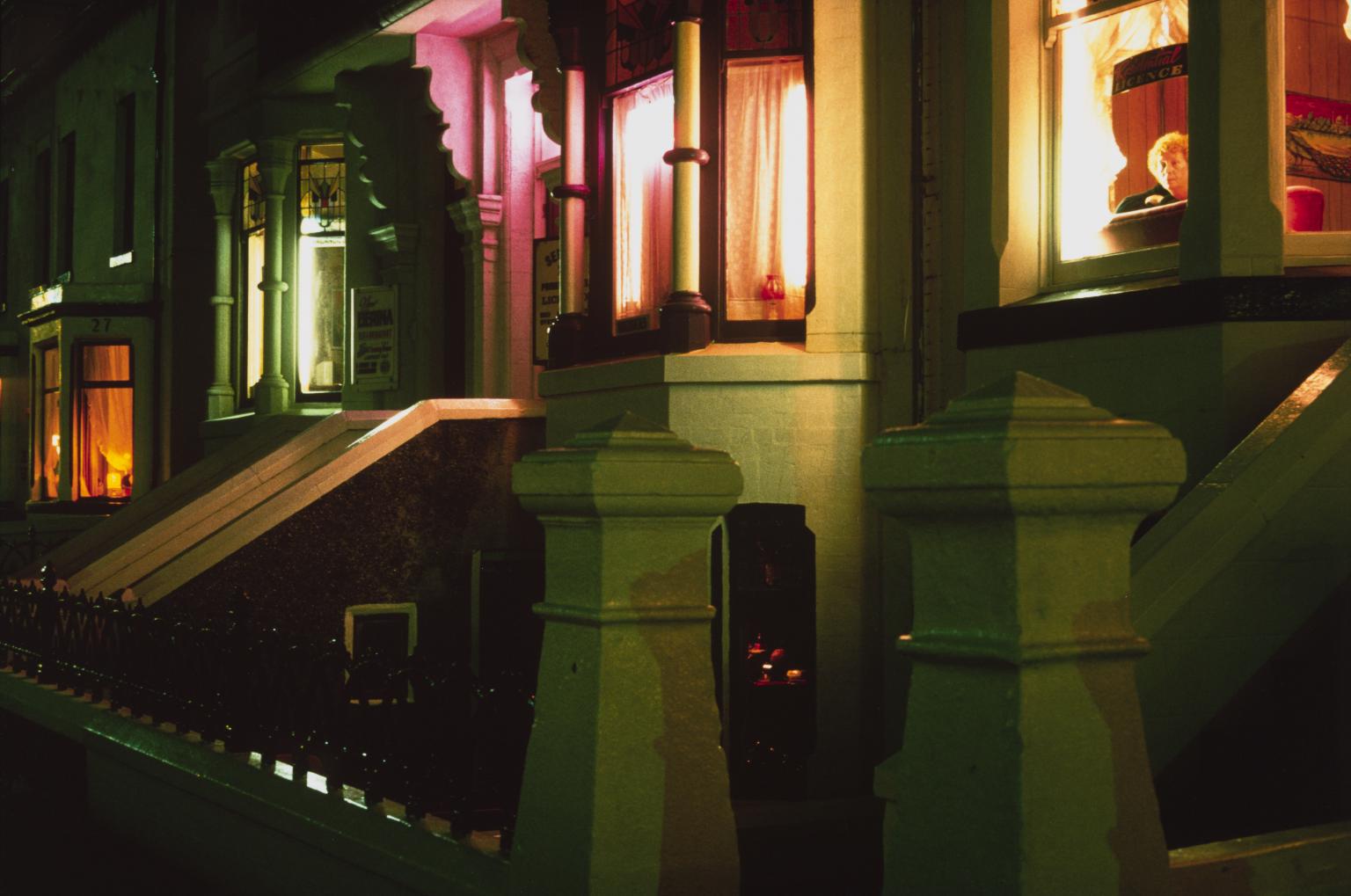
Chris Steele-Perkins, Boarding Houses, Blackpool 1980–9
The Pleasure Principle 1980–9 is a set of forty-four colour cibachrome photographic prints depicting scenes of leisure and enjoyment in Britain in the 1980s. The subjects of the photographs range from youth culture and sport to political associations and countryside hobbies. The collection also includes a portrait of then Prime Minister Margaret Thatcher. In each case, Steele-Perkins highlighted what he considered to be specifically ‘British’ pursuits and activities, prompting a reflection on the state of British society. Returning to England after spending time photographing abroad, Steele-Perkins experienced a kind of culture shock. He has described how:
1/28
artworks in Tony Ray-Jones
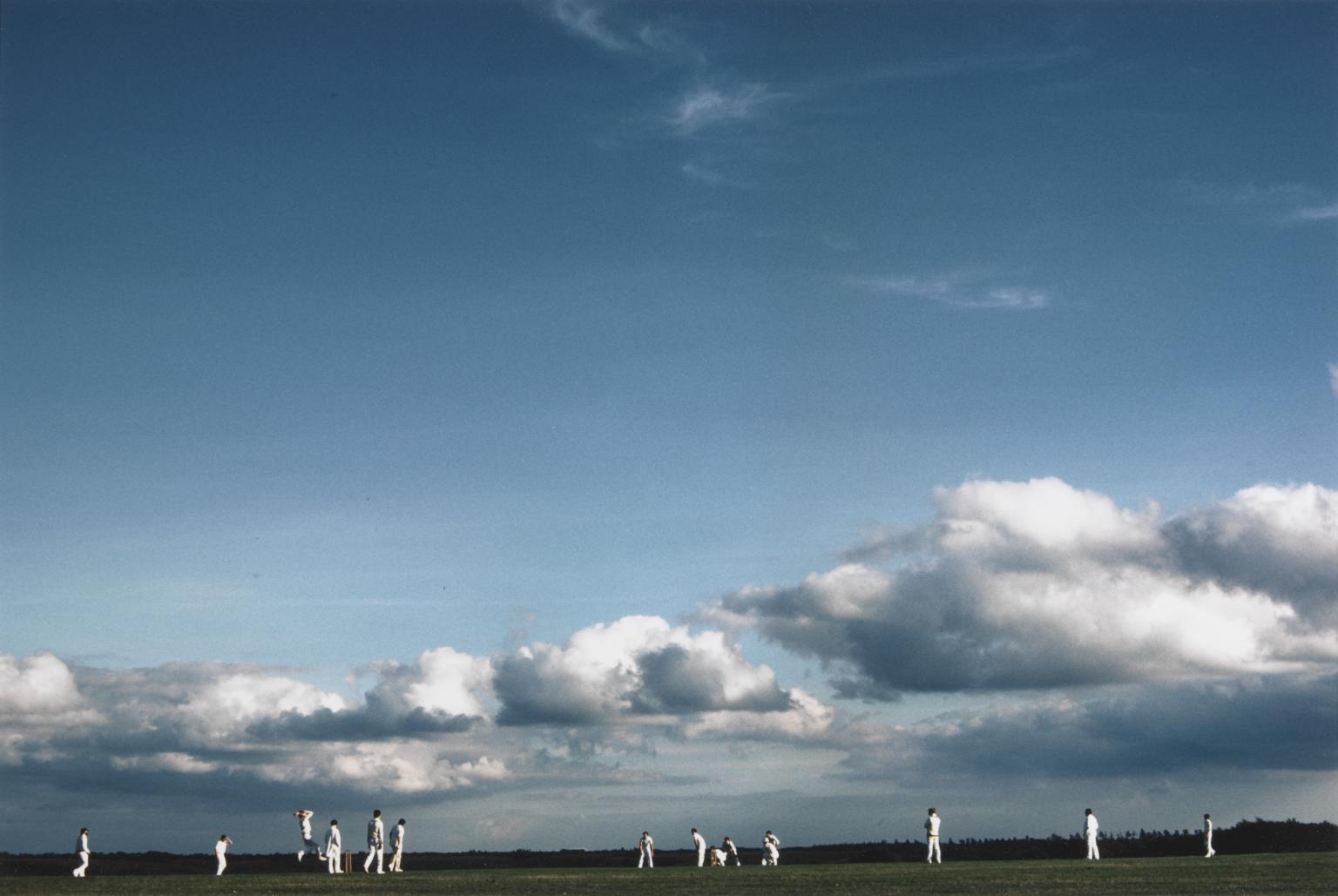
Chris Steele-Perkins, Cricket Match, Hampshire 1980–9
The Pleasure Principle 1980–9 is a set of forty-four colour cibachrome photographic prints depicting scenes of leisure and enjoyment in Britain in the 1980s. The subjects of the photographs range from youth culture and sport to political associations and countryside hobbies. The collection also includes a portrait of then Prime Minister Margaret Thatcher. In each case, Steele-Perkins highlighted what he considered to be specifically ‘British’ pursuits and activities, prompting a reflection on the state of British society. Returning to England after spending time photographing abroad, Steele-Perkins experienced a kind of culture shock. He has described how:
2/28
artworks in Tony Ray-Jones
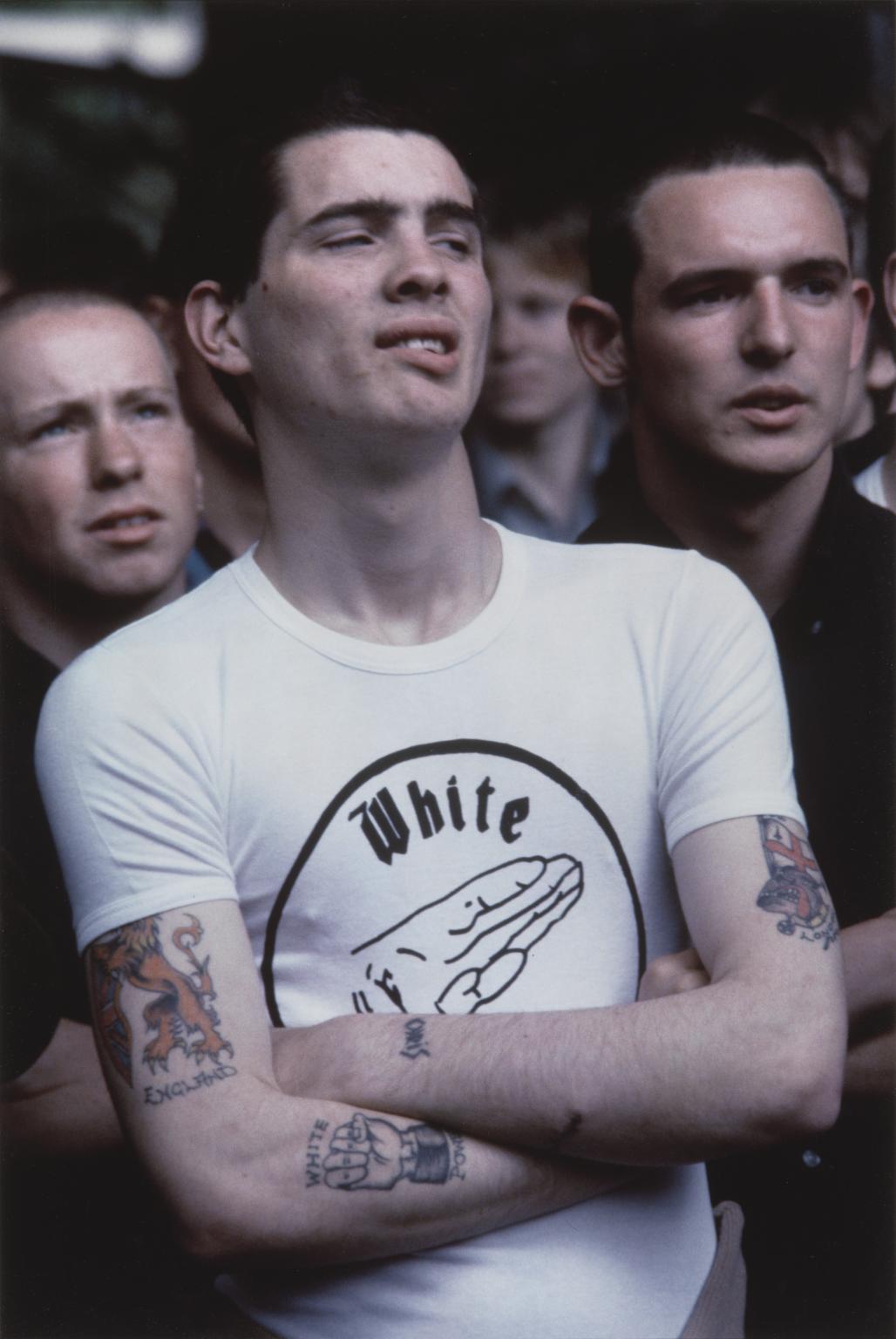
Chris Steele-Perkins, British Movement Demonstration, London 1980–9
The Pleasure Principle 1980–9 is a set of forty-four colour cibachrome photographic prints depicting scenes of leisure and enjoyment in Britain in the 1980s. The subjects of the photographs range from youth culture and sport to political associations and countryside hobbies. The collection also includes a portrait of then Prime Minister Margaret Thatcher. In each case, Steele-Perkins highlighted what he considered to be specifically ‘British’ pursuits and activities, prompting a reflection on the state of British society. Returning to England after spending time photographing abroad, Steele-Perkins experienced a kind of culture shock. He has described how:
3/28
artworks in Tony Ray-Jones
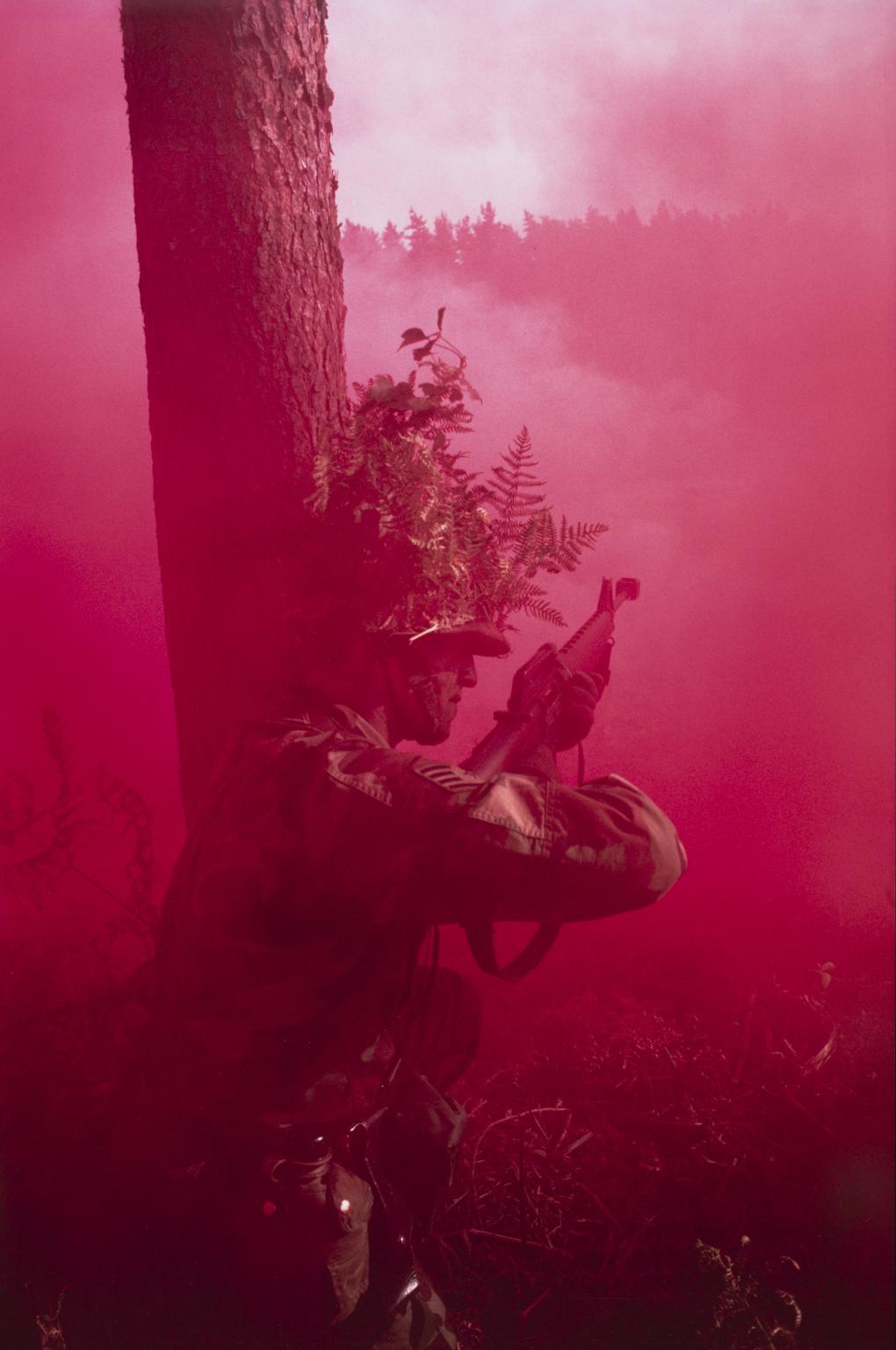
Chris Steele-Perkins, Territorial Army Practice Repelling a Soviet Invasion 1980–9
The Pleasure Principle 1980–9 is a set of forty-four colour cibachrome photographic prints depicting scenes of leisure and enjoyment in Britain in the 1980s. The subjects of the photographs range from youth culture and sport to political associations and countryside hobbies. The collection also includes a portrait of then Prime Minister Margaret Thatcher. In each case, Steele-Perkins highlighted what he considered to be specifically ‘British’ pursuits and activities, prompting a reflection on the state of British society. Returning to England after spending time photographing abroad, Steele-Perkins experienced a kind of culture shock. He has described how:
4/28
artworks in Tony Ray-Jones
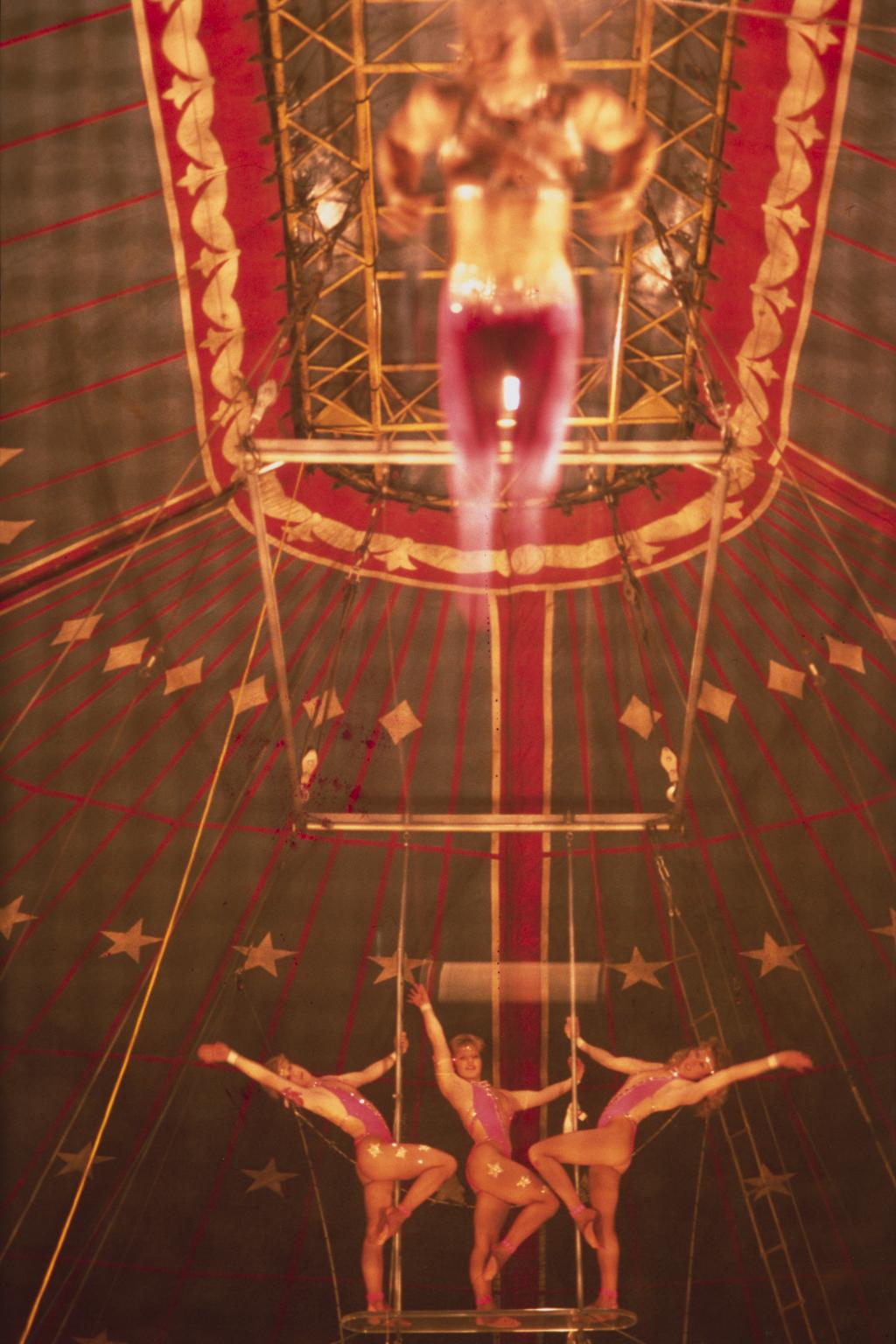
Chris Steele-Perkins, Circus Acrobats at Crystal Palace 1980–9
The Pleasure Principle 1980–9 is a set of forty-four colour cibachrome photographic prints depicting scenes of leisure and enjoyment in Britain in the 1980s. The subjects of the photographs range from youth culture and sport to political associations and countryside hobbies. The collection also includes a portrait of then Prime Minister Margaret Thatcher. In each case, Steele-Perkins highlighted what he considered to be specifically ‘British’ pursuits and activities, prompting a reflection on the state of British society. Returning to England after spending time photographing abroad, Steele-Perkins experienced a kind of culture shock. He has described how:
5/28
artworks in Tony Ray-Jones
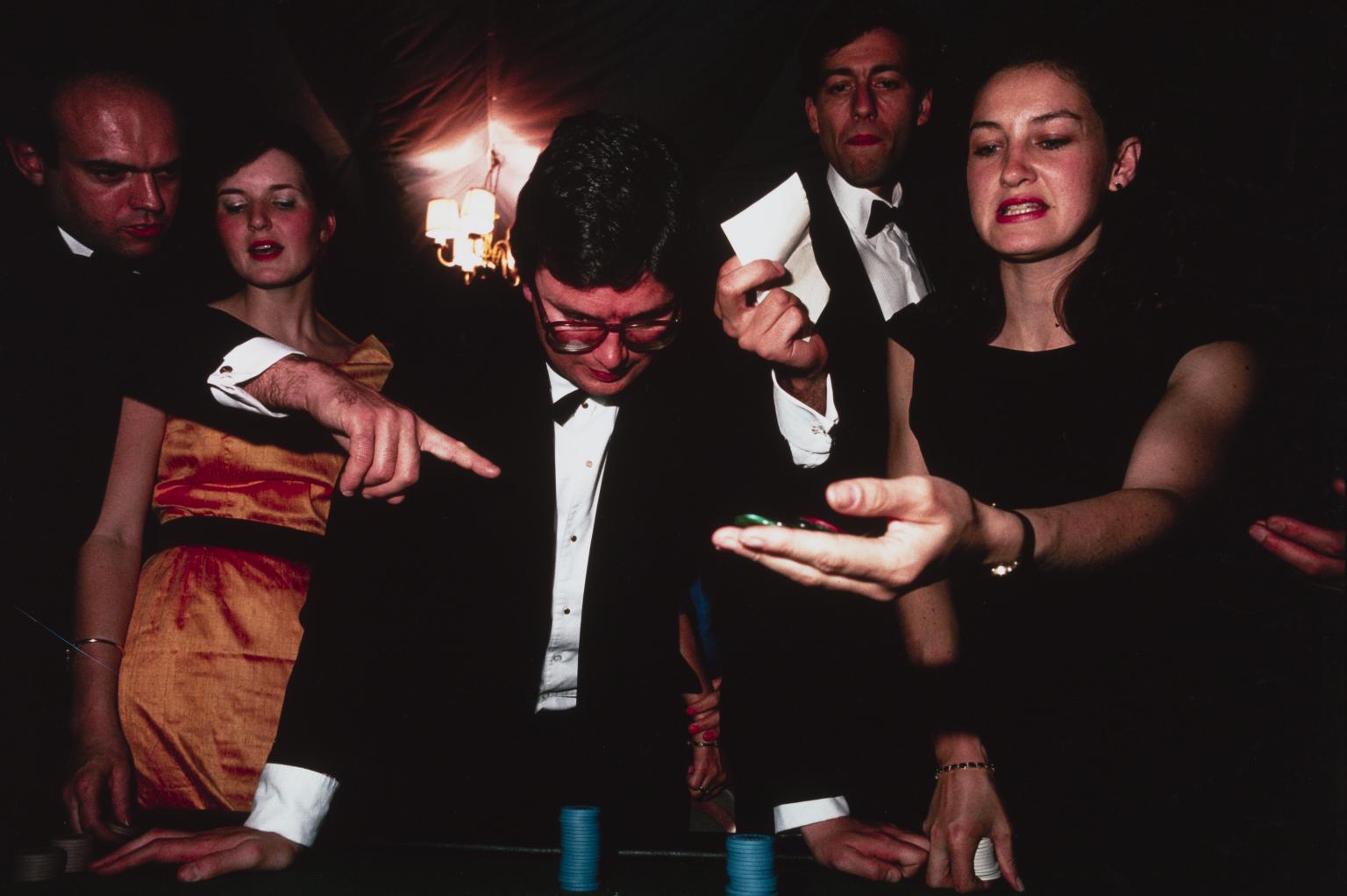
Chris Steele-Perkins, Juliana’s Summer Party, London 1980–9
The Pleasure Principle 1980–9 is a set of forty-four colour cibachrome photographic prints depicting scenes of leisure and enjoyment in Britain in the 1980s. The subjects of the photographs range from youth culture and sport to political associations and countryside hobbies. The collection also includes a portrait of then Prime Minister Margaret Thatcher. In each case, Steele-Perkins highlighted what he considered to be specifically ‘British’ pursuits and activities, prompting a reflection on the state of British society. Returning to England after spending time photographing abroad, Steele-Perkins experienced a kind of culture shock. He has described how:
6/28
artworks in Tony Ray-Jones
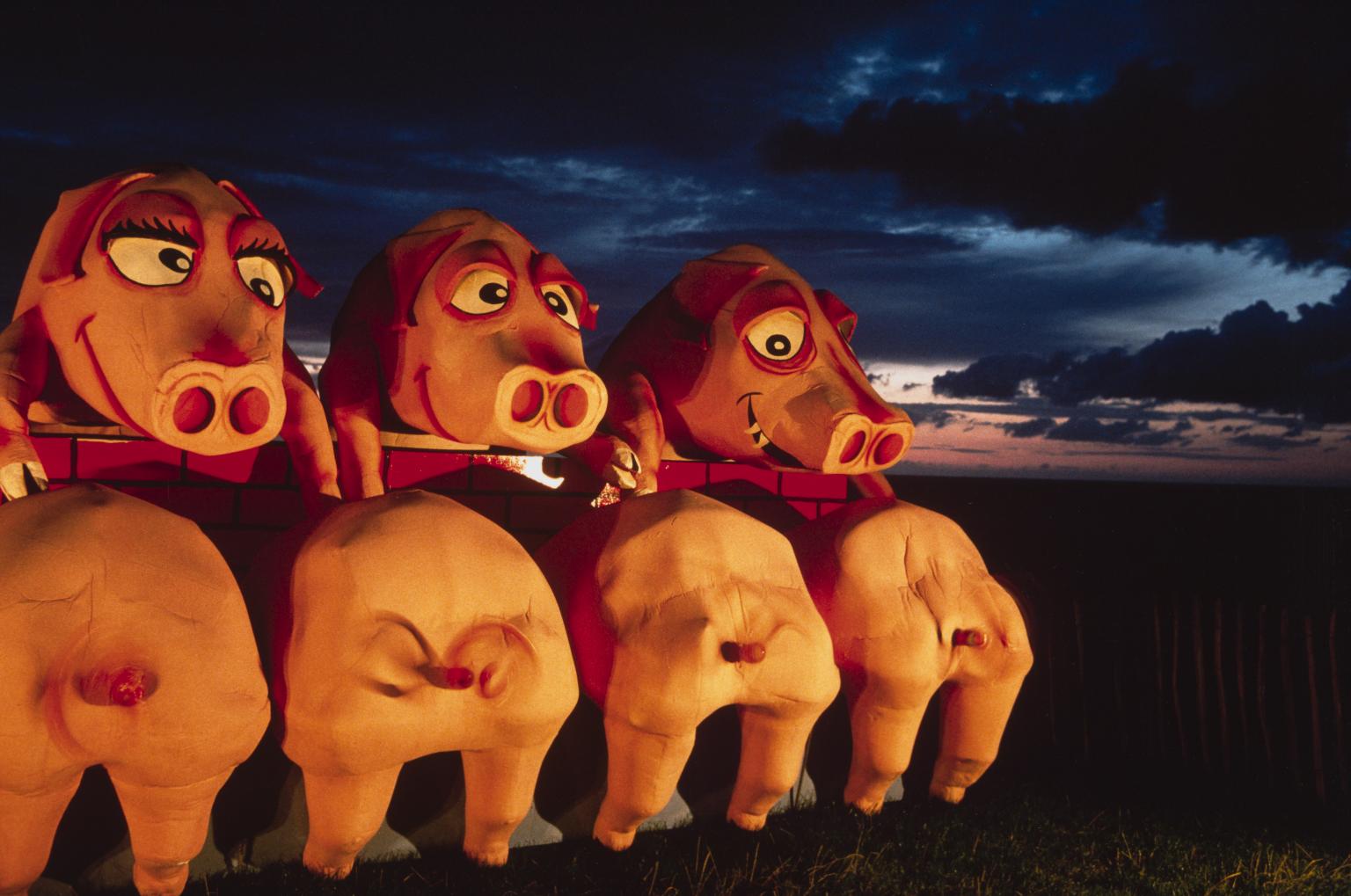
Chris Steele-Perkins, Tableau of Emmerdale Farm, Blackpool 1980–9
The Pleasure Principle 1980–9 is a set of forty-four colour cibachrome photographic prints depicting scenes of leisure and enjoyment in Britain in the 1980s. The subjects of the photographs range from youth culture and sport to political associations and countryside hobbies. The collection also includes a portrait of then Prime Minister Margaret Thatcher. In each case, Steele-Perkins highlighted what he considered to be specifically ‘British’ pursuits and activities, prompting a reflection on the state of British society. Returning to England after spending time photographing abroad, Steele-Perkins experienced a kind of culture shock. He has described how:
7/28
artworks in Tony Ray-Jones
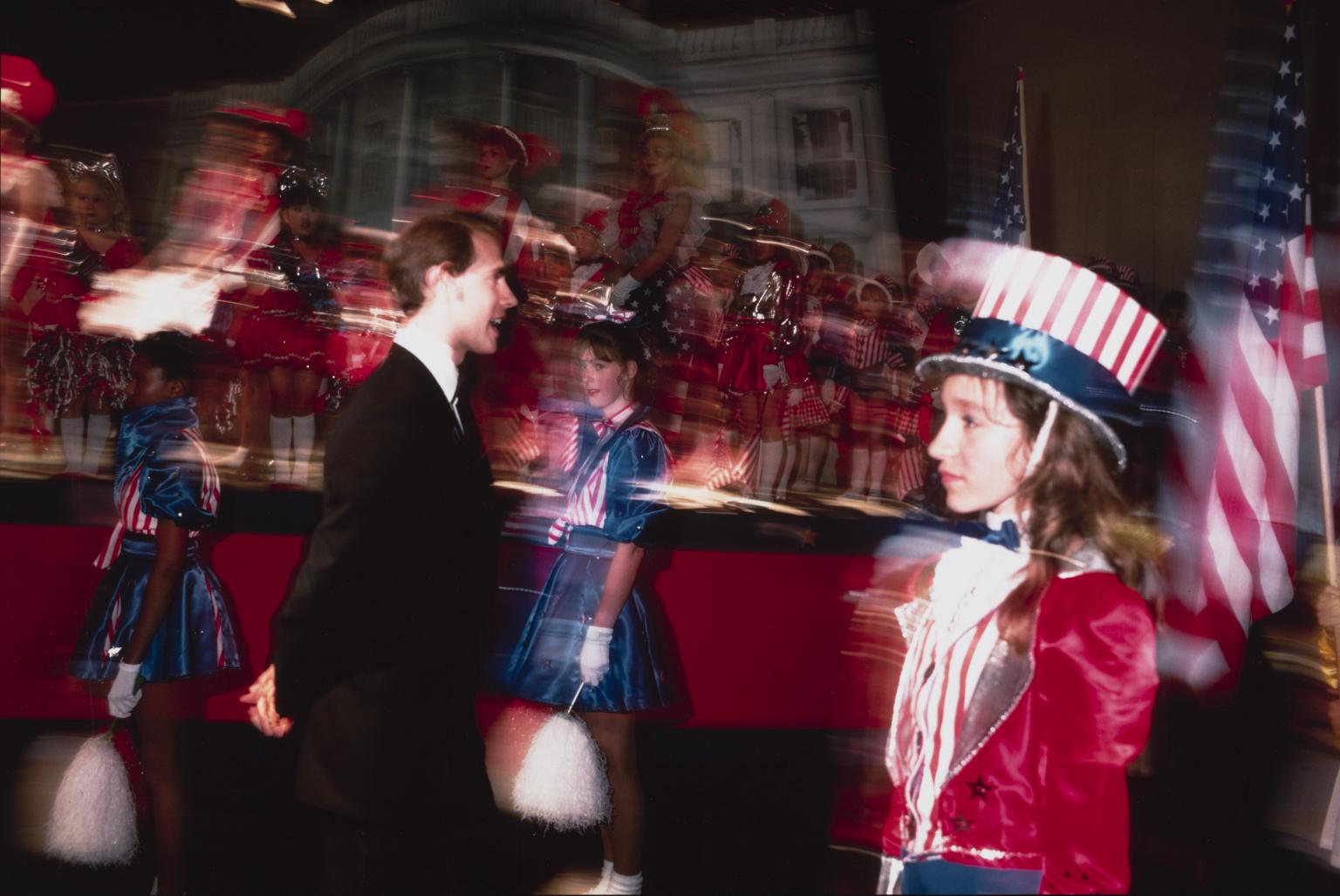
Chris Steele-Perkins, Prince Edward at Berkeley Square Ball 1980–9
The Pleasure Principle 1980–9 is a set of forty-four colour cibachrome photographic prints depicting scenes of leisure and enjoyment in Britain in the 1980s. The subjects of the photographs range from youth culture and sport to political associations and countryside hobbies. The collection also includes a portrait of then Prime Minister Margaret Thatcher. In each case, Steele-Perkins highlighted what he considered to be specifically ‘British’ pursuits and activities, prompting a reflection on the state of British society. Returning to England after spending time photographing abroad, Steele-Perkins experienced a kind of culture shock. He has described how:
8/28
artworks in Tony Ray-Jones
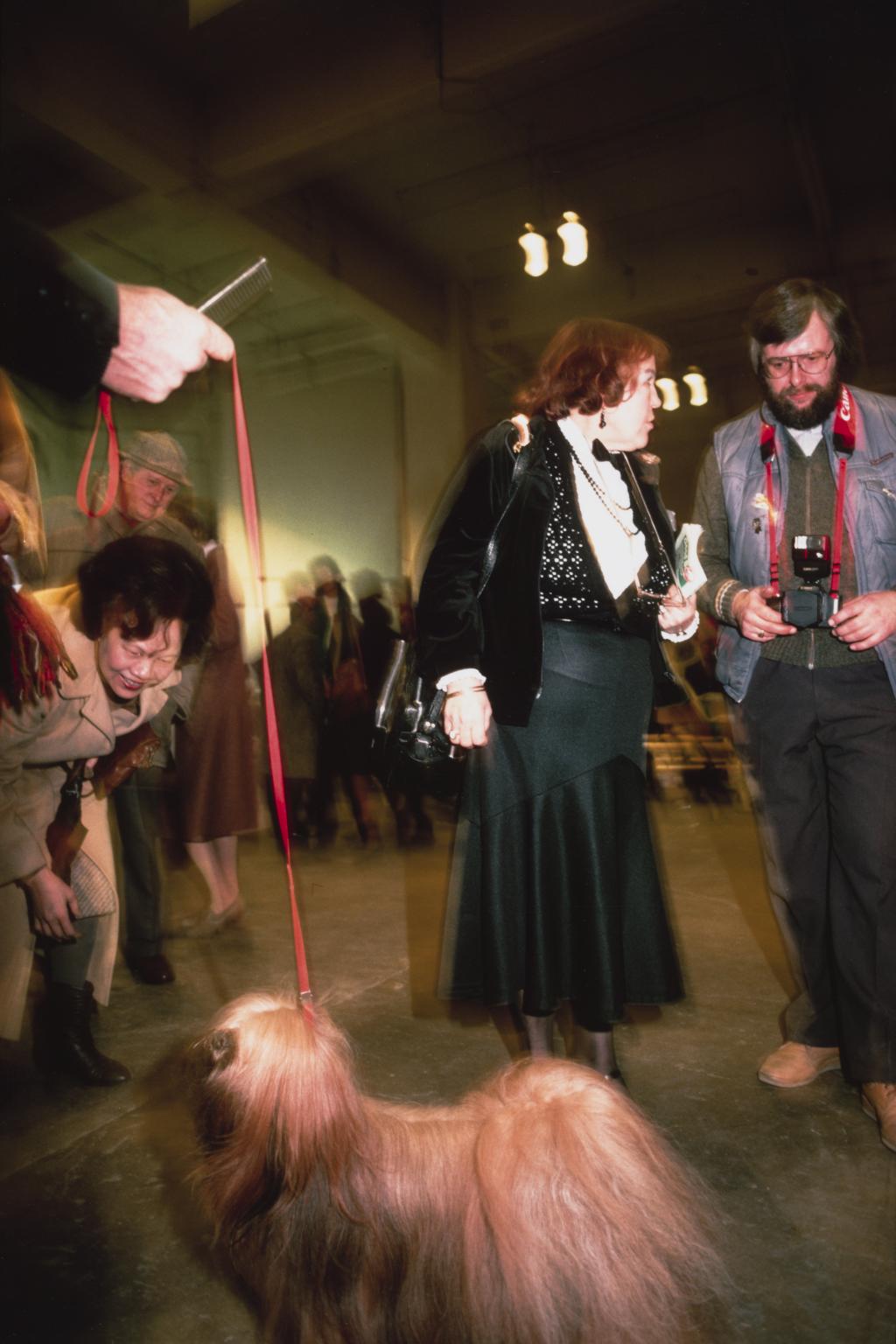
Chris Steele-Perkins, Crufts Dog Show 1980–9
The Pleasure Principle 1980–9 is a set of forty-four colour cibachrome photographic prints depicting scenes of leisure and enjoyment in Britain in the 1980s. The subjects of the photographs range from youth culture and sport to political associations and countryside hobbies. The collection also includes a portrait of then Prime Minister Margaret Thatcher. In each case, Steele-Perkins highlighted what he considered to be specifically ‘British’ pursuits and activities, prompting a reflection on the state of British society. Returning to England after spending time photographing abroad, Steele-Perkins experienced a kind of culture shock. He has described how:
9/28
artworks in Tony Ray-Jones
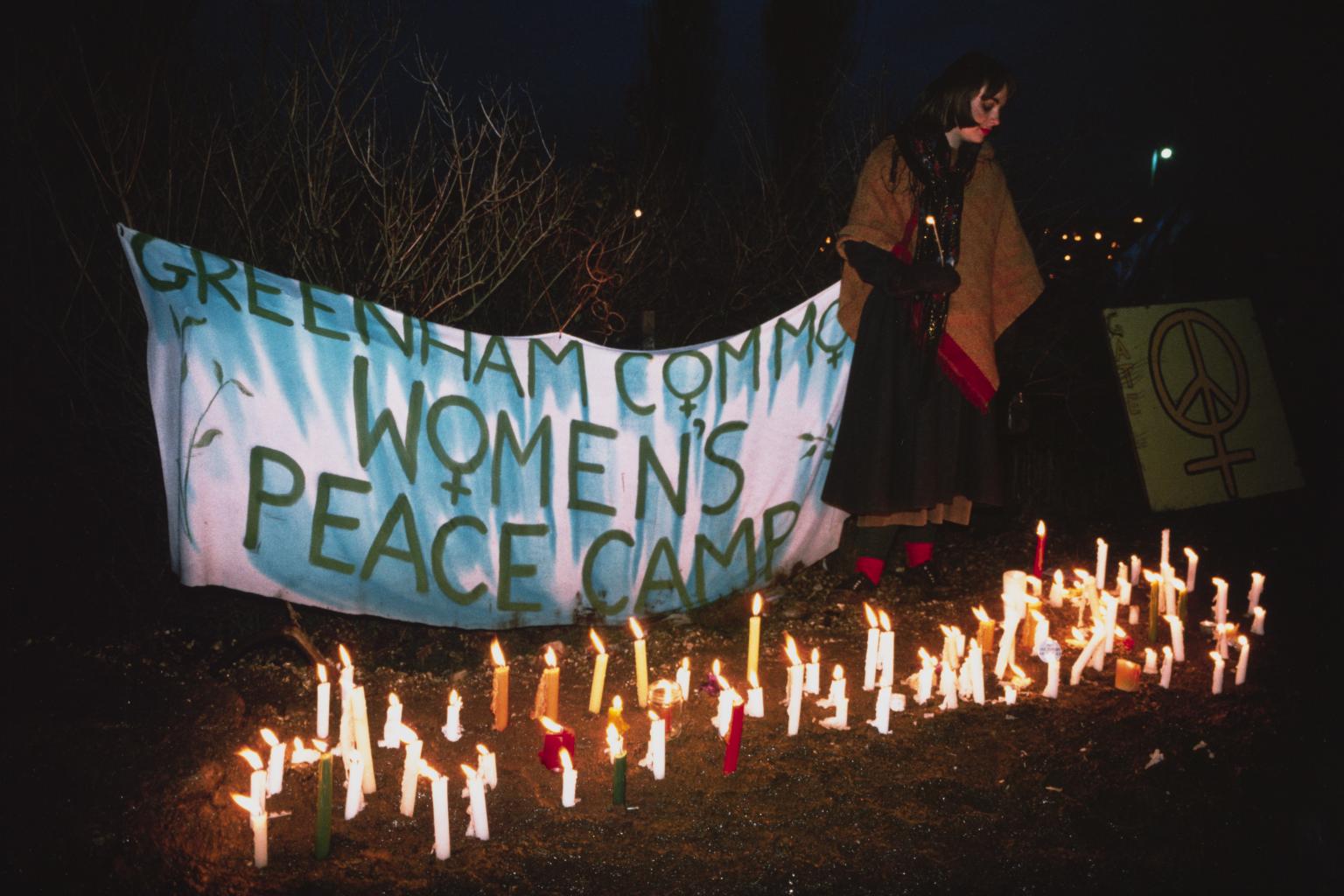
Chris Steele-Perkins, Anti-nuclear Missile Demonstration at Greenham Common 1980–9
The Pleasure Principle 1980–9 is a set of forty-four colour cibachrome photographic prints depicting scenes of leisure and enjoyment in Britain in the 1980s. The subjects of the photographs range from youth culture and sport to political associations and countryside hobbies. The collection also includes a portrait of then Prime Minister Margaret Thatcher. In each case, Steele-Perkins highlighted what he considered to be specifically ‘British’ pursuits and activities, prompting a reflection on the state of British society. Returning to England after spending time photographing abroad, Steele-Perkins experienced a kind of culture shock. He has described how:
10/28
artworks in Tony Ray-Jones
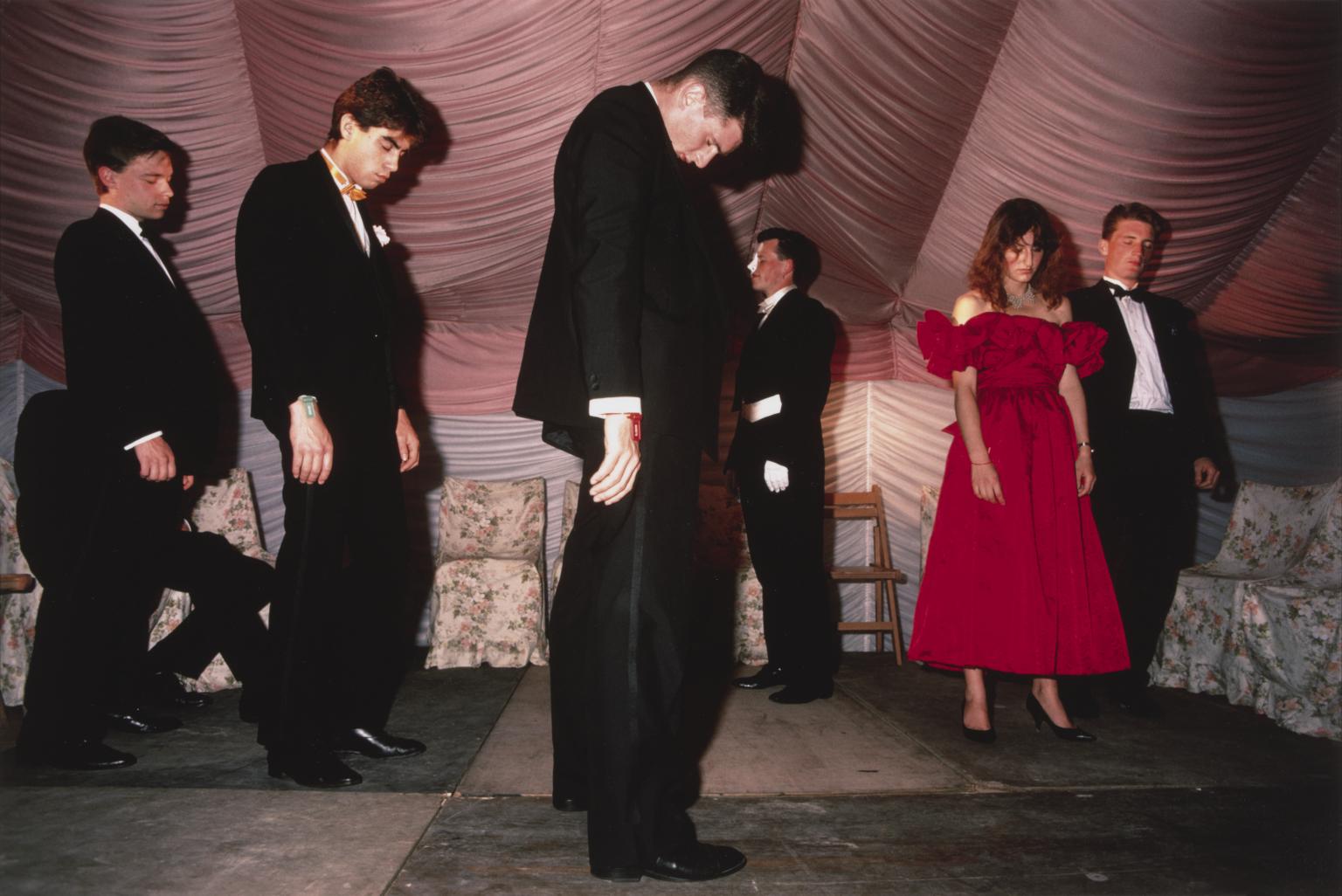
Chris Steele-Perkins, Hypnosis Demonstration, Cambridge University Ball 1980–9
The Pleasure Principle 1980–9 is a set of forty-four colour cibachrome photographic prints depicting scenes of leisure and enjoyment in Britain in the 1980s. The subjects of the photographs range from youth culture and sport to political associations and countryside hobbies. The collection also includes a portrait of then Prime Minister Margaret Thatcher. In each case, Steele-Perkins highlighted what he considered to be specifically ‘British’ pursuits and activities, prompting a reflection on the state of British society. Returning to England after spending time photographing abroad, Steele-Perkins experienced a kind of culture shock. He has described how:
11/28
artworks in Tony Ray-Jones
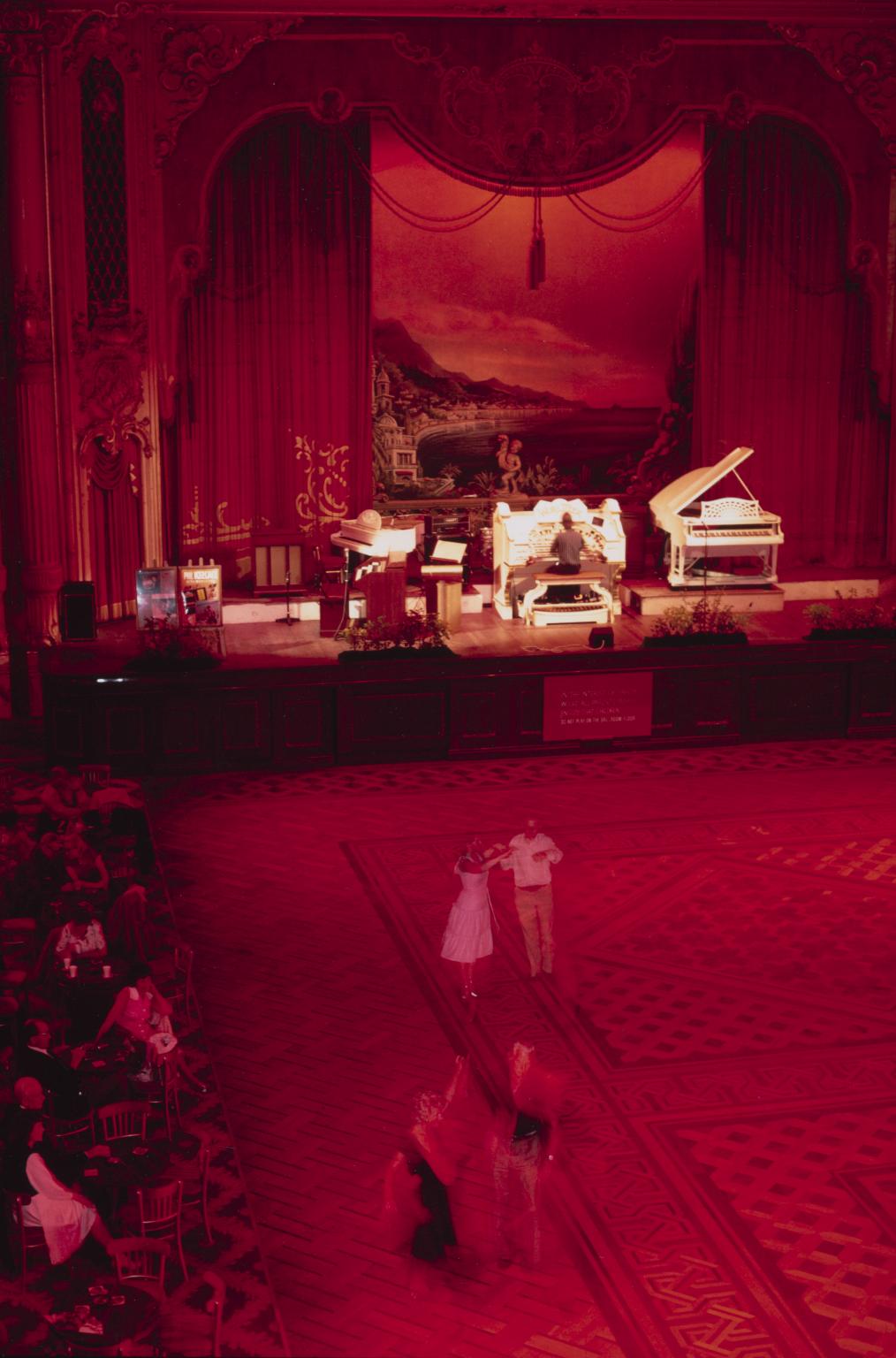
Chris Steele-Perkins, Ballroom Dancing, Blackpool 1980–9
The Pleasure Principle 1980–9 is a set of forty-four colour cibachrome photographic prints depicting scenes of leisure and enjoyment in Britain in the 1980s. The subjects of the photographs range from youth culture and sport to political associations and countryside hobbies. The collection also includes a portrait of then Prime Minister Margaret Thatcher. In each case, Steele-Perkins highlighted what he considered to be specifically ‘British’ pursuits and activities, prompting a reflection on the state of British society. Returning to England after spending time photographing abroad, Steele-Perkins experienced a kind of culture shock. He has described how:
12/28
artworks in Tony Ray-Jones
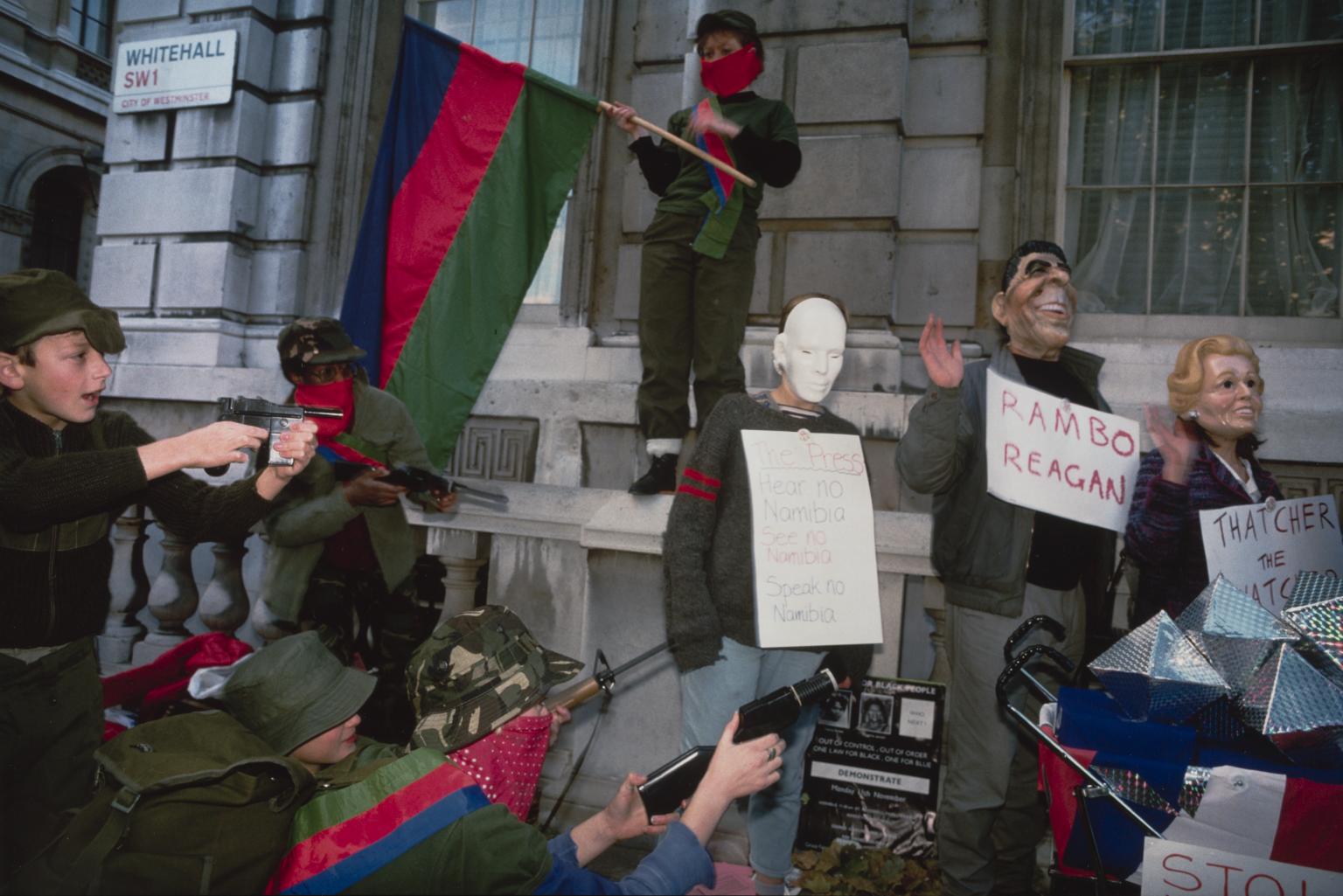
Chris Steele-Perkins, Anti-apartheid Street Theater, London 1980–9
The Pleasure Principle 1980–9 is a set of forty-four colour cibachrome photographic prints depicting scenes of leisure and enjoyment in Britain in the 1980s. The subjects of the photographs range from youth culture and sport to political associations and countryside hobbies. The collection also includes a portrait of then Prime Minister Margaret Thatcher. In each case, Steele-Perkins highlighted what he considered to be specifically ‘British’ pursuits and activities, prompting a reflection on the state of British society. Returning to England after spending time photographing abroad, Steele-Perkins experienced a kind of culture shock. He has described how:
13/28
artworks in Tony Ray-Jones
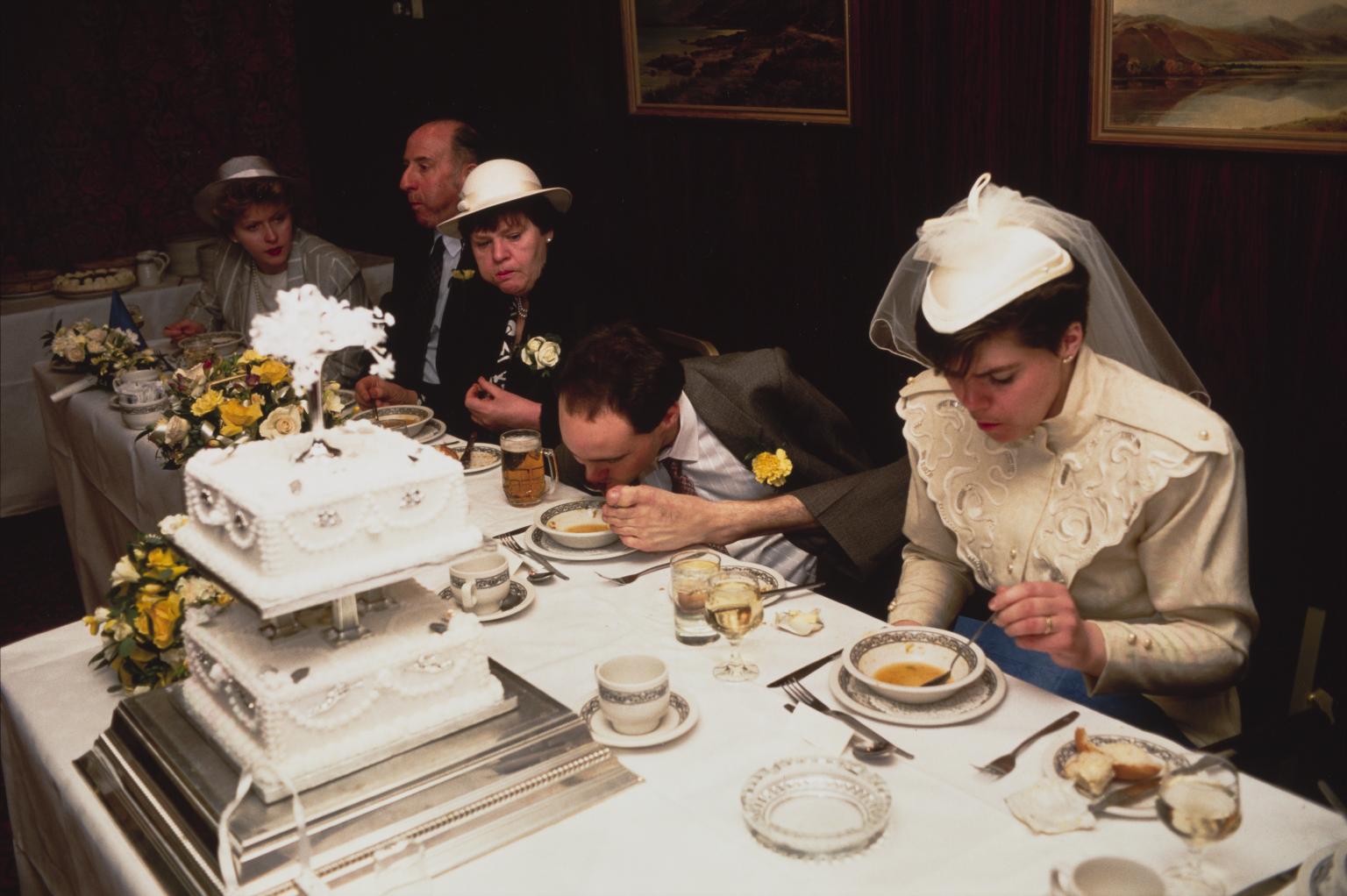
Chris Steele-Perkins, Wedding Reception for Thalidomide Victim 1980–9
The Pleasure Principle 1980–9 is a set of forty-four colour cibachrome photographic prints depicting scenes of leisure and enjoyment in Britain in the 1980s. The subjects of the photographs range from youth culture and sport to political associations and countryside hobbies. The collection also includes a portrait of then Prime Minister Margaret Thatcher. In each case, Steele-Perkins highlighted what he considered to be specifically ‘British’ pursuits and activities, prompting a reflection on the state of British society. Returning to England after spending time photographing abroad, Steele-Perkins experienced a kind of culture shock. He has described how:
14/28
artworks in Tony Ray-Jones
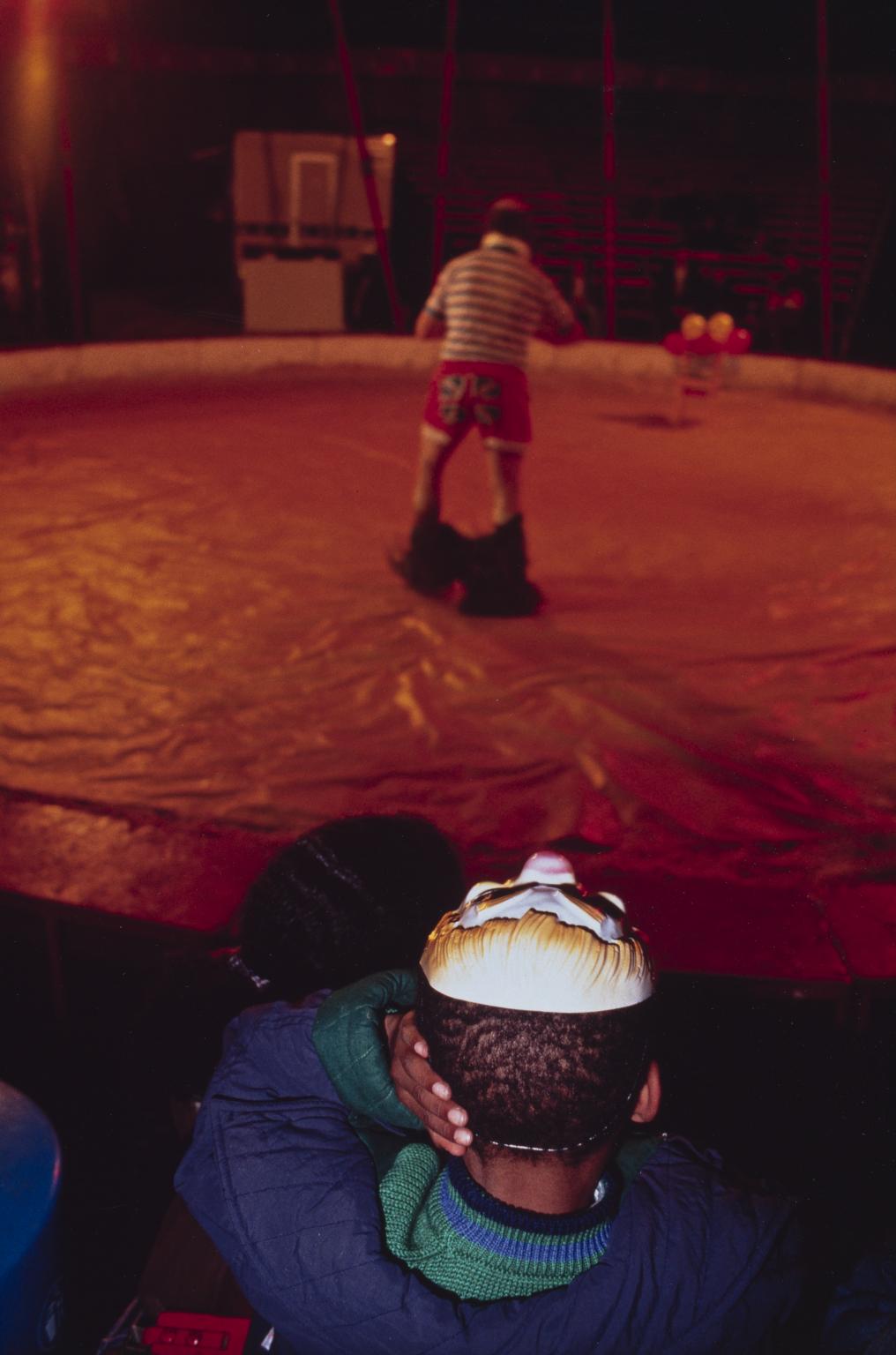
Chris Steele-Perkins, Circus Clown Drops his Trousers 1980–9
The Pleasure Principle 1980–9 is a set of forty-four colour cibachrome photographic prints depicting scenes of leisure and enjoyment in Britain in the 1980s. The subjects of the photographs range from youth culture and sport to political associations and countryside hobbies. The collection also includes a portrait of then Prime Minister Margaret Thatcher. In each case, Steele-Perkins highlighted what he considered to be specifically ‘British’ pursuits and activities, prompting a reflection on the state of British society. Returning to England after spending time photographing abroad, Steele-Perkins experienced a kind of culture shock. He has described how:
15/28
artworks in Tony Ray-Jones
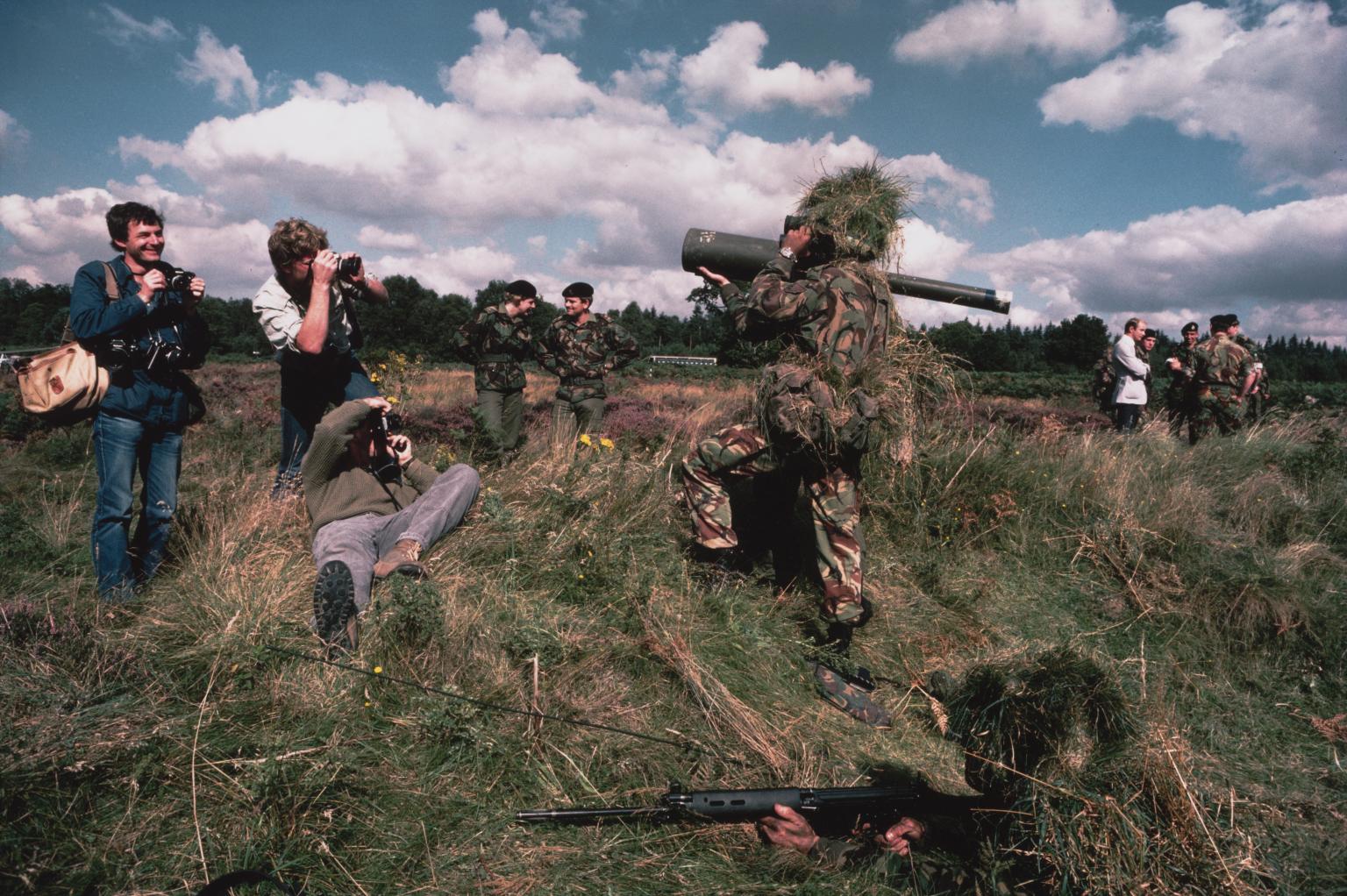
Chris Steele-Perkins, Photo-opportunity During Territorial Army Exercise 1980–9
The Pleasure Principle 1980–9 is a set of forty-four colour cibachrome photographic prints depicting scenes of leisure and enjoyment in Britain in the 1980s. The subjects of the photographs range from youth culture and sport to political associations and countryside hobbies. The collection also includes a portrait of then Prime Minister Margaret Thatcher. In each case, Steele-Perkins highlighted what he considered to be specifically ‘British’ pursuits and activities, prompting a reflection on the state of British society. Returning to England after spending time photographing abroad, Steele-Perkins experienced a kind of culture shock. He has described how:
16/28
artworks in Tony Ray-Jones
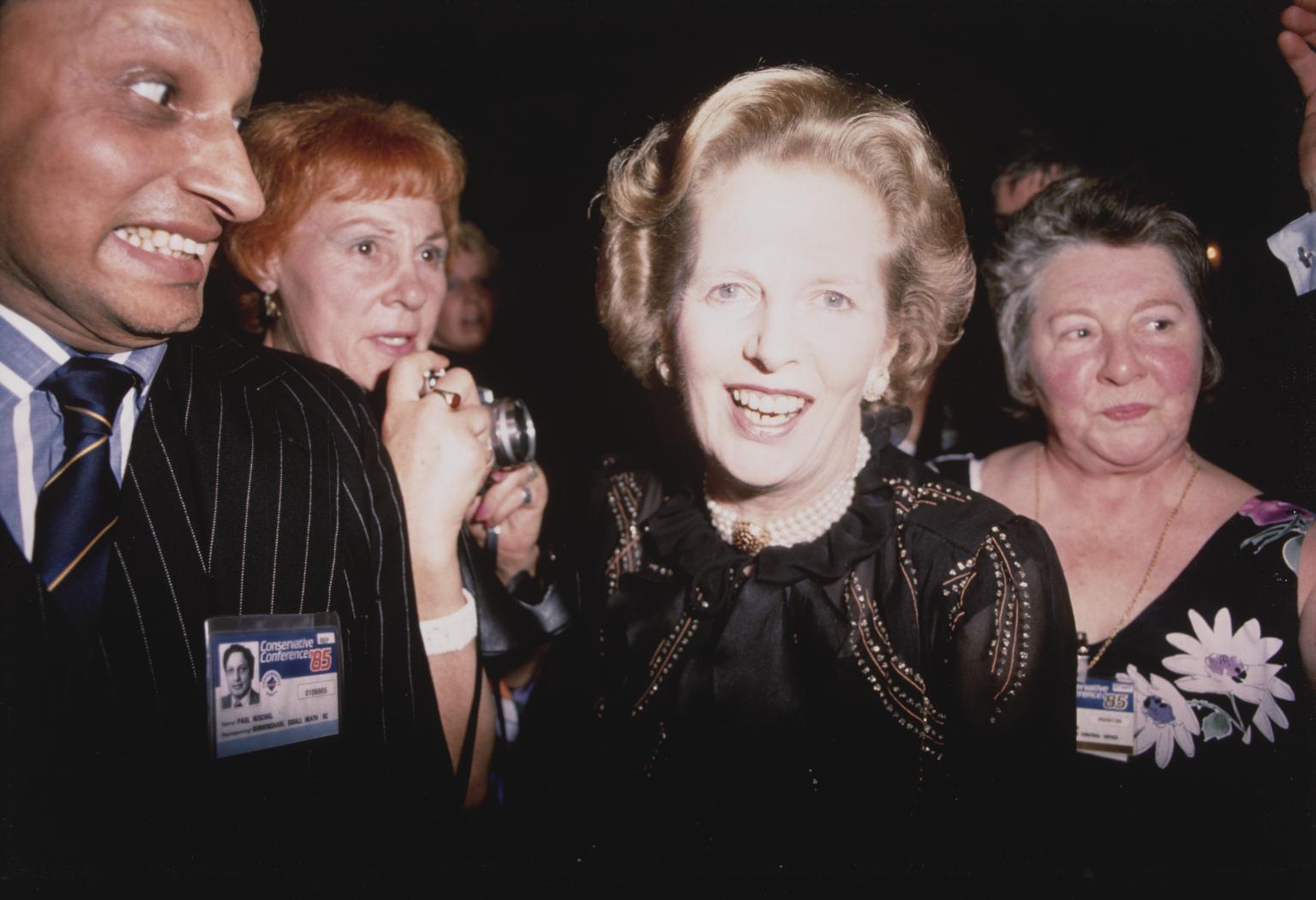
Chris Steele-Perkins, Prime Minister Margaret Thatcher and Admirers at Conservative Party Conference 1980–9
The Pleasure Principle 1980–9 is a set of forty-four colour cibachrome photographic prints depicting scenes of leisure and enjoyment in Britain in the 1980s. The subjects of the photographs range from youth culture and sport to political associations and countryside hobbies. The collection also includes a portrait of then Prime Minister Margaret Thatcher. In each case, Steele-Perkins highlighted what he considered to be specifically ‘British’ pursuits and activities, prompting a reflection on the state of British society. Returning to England after spending time photographing abroad, Steele-Perkins experienced a kind of culture shock. He has described how:
17/28
artworks in Tony Ray-Jones
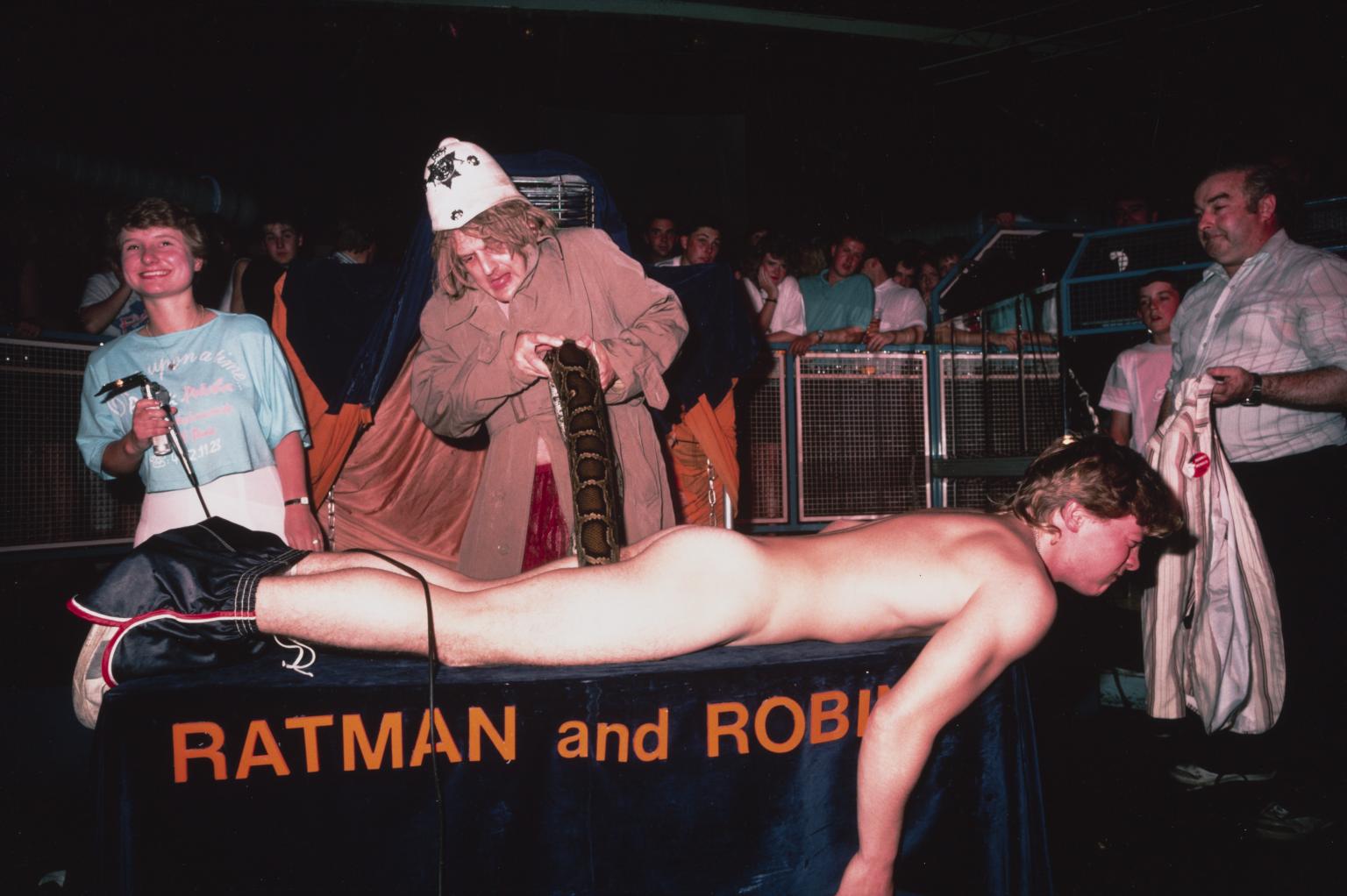
Chris Steele-Perkins, Alternative Cabaret Act in Disco, Dartford 1980–9
The Pleasure Principle 1980–9 is a set of forty-four colour cibachrome photographic prints depicting scenes of leisure and enjoyment in Britain in the 1980s. The subjects of the photographs range from youth culture and sport to political associations and countryside hobbies. The collection also includes a portrait of then Prime Minister Margaret Thatcher. In each case, Steele-Perkins highlighted what he considered to be specifically ‘British’ pursuits and activities, prompting a reflection on the state of British society. Returning to England after spending time photographing abroad, Steele-Perkins experienced a kind of culture shock. He has described how:
18/28
artworks in Tony Ray-Jones
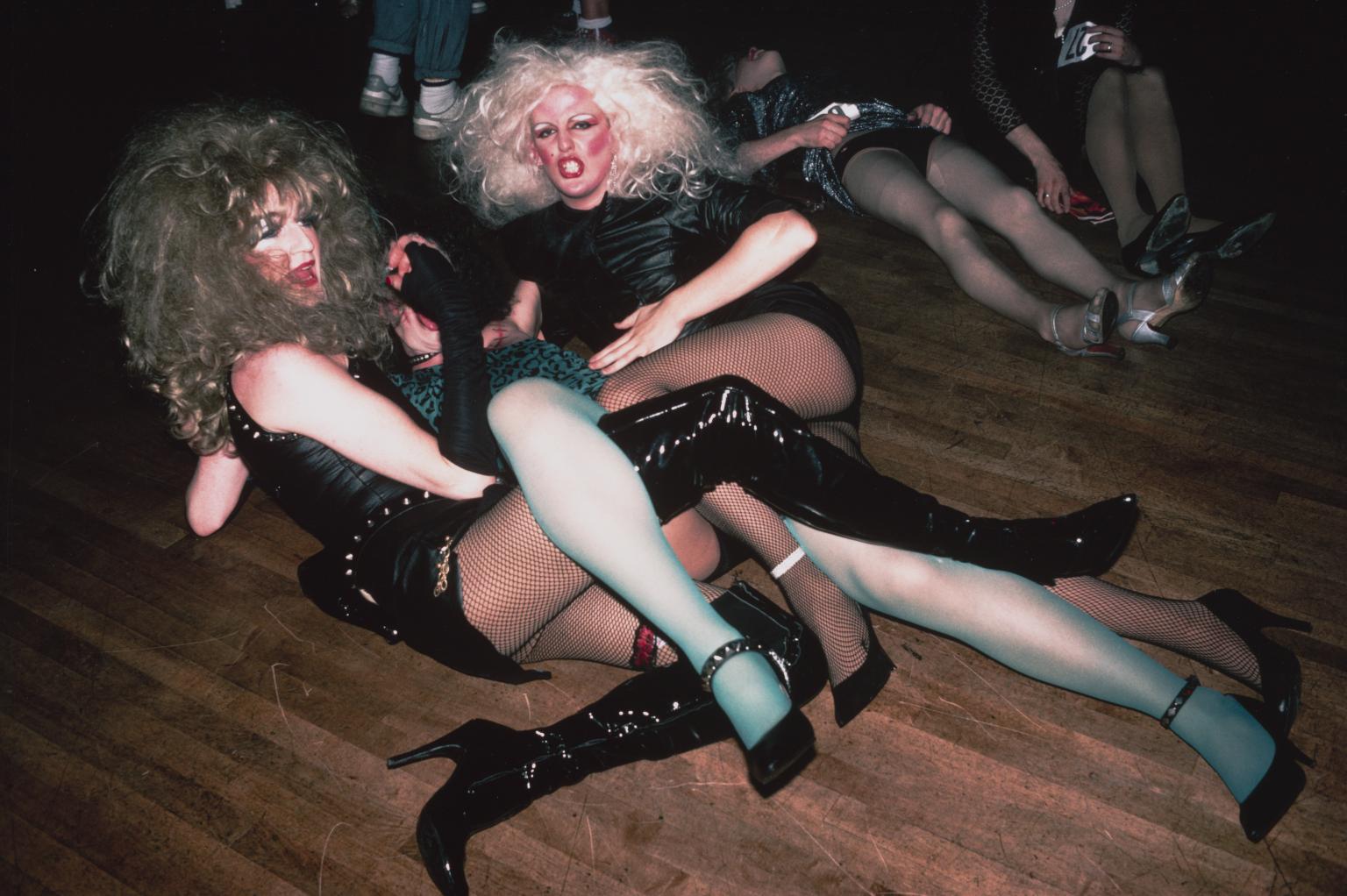
Chris Steele-Perkins, Drag Ball, London 1980–9
The Pleasure Principle 1980–9 is a set of forty-four colour cibachrome photographic prints depicting scenes of leisure and enjoyment in Britain in the 1980s. The subjects of the photographs range from youth culture and sport to political associations and countryside hobbies. The collection also includes a portrait of then Prime Minister Margaret Thatcher. In each case, Steele-Perkins highlighted what he considered to be specifically ‘British’ pursuits and activities, prompting a reflection on the state of British society. Returning to England after spending time photographing abroad, Steele-Perkins experienced a kind of culture shock. He has described how:
19/28
artworks in Tony Ray-Jones
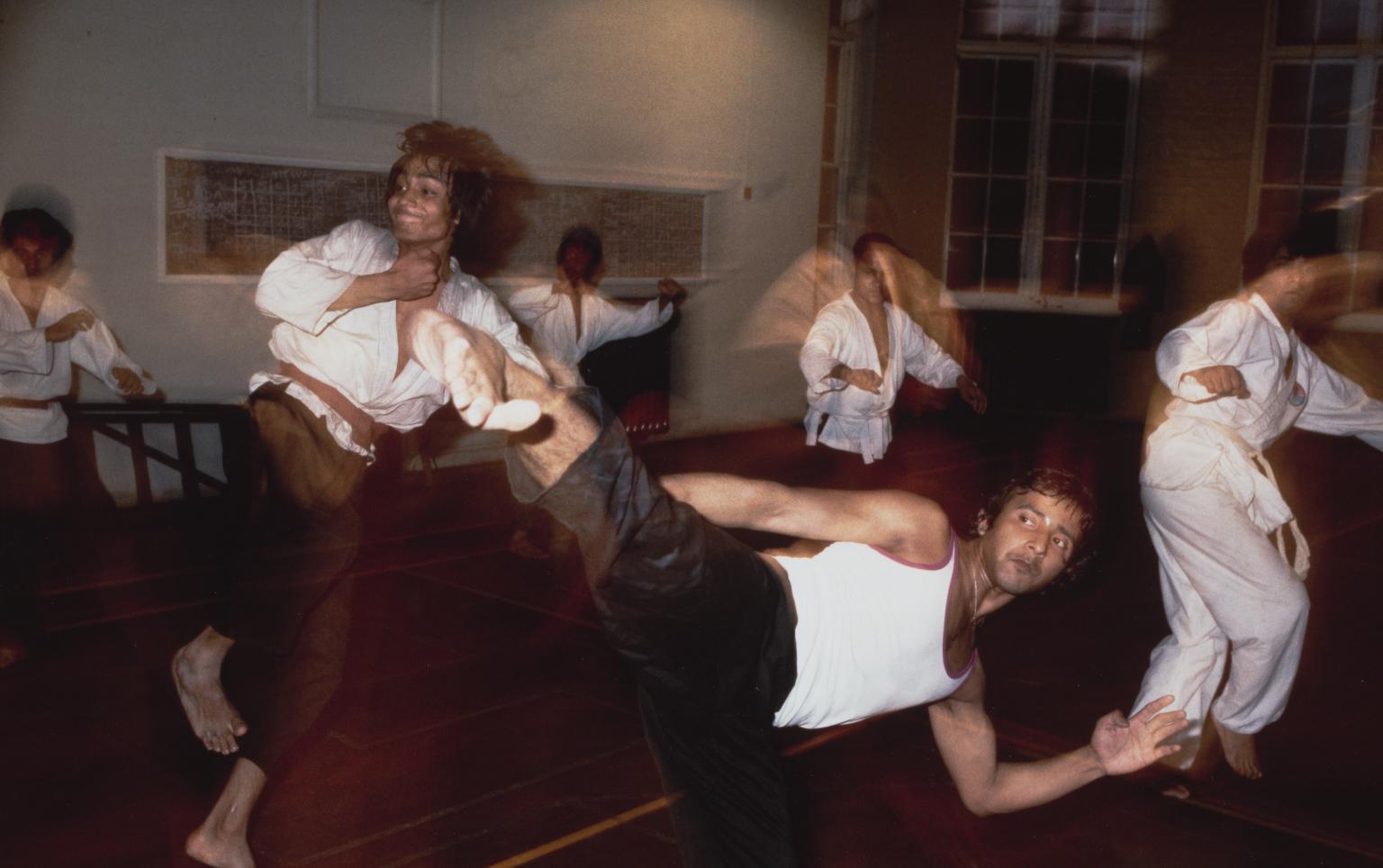
Chris Steele-Perkins, Self-defence Class, Brick Lane 1980–9
The Pleasure Principle 1980–9 is a set of forty-four colour cibachrome photographic prints depicting scenes of leisure and enjoyment in Britain in the 1980s. The subjects of the photographs range from youth culture and sport to political associations and countryside hobbies. The collection also includes a portrait of then Prime Minister Margaret Thatcher. In each case, Steele-Perkins highlighted what he considered to be specifically ‘British’ pursuits and activities, prompting a reflection on the state of British society. Returning to England after spending time photographing abroad, Steele-Perkins experienced a kind of culture shock. He has described how:
20/28
artworks in Tony Ray-Jones
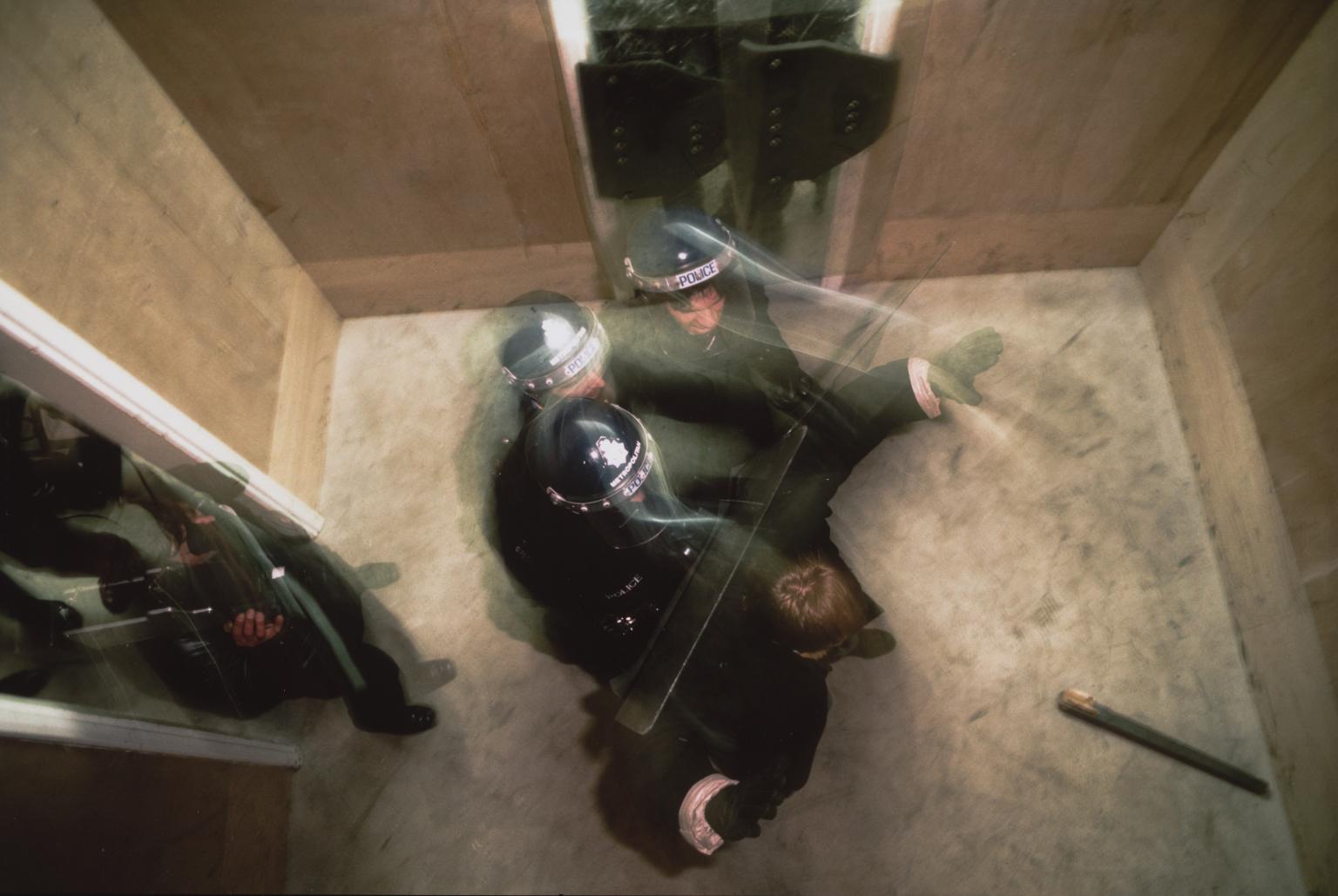
Chris Steele-Perkins, Police Photo Opportunity. Controlling Violent Man in Small Room 1980–9
The Pleasure Principle 1980–9 is a set of forty-four colour cibachrome photographic prints depicting scenes of leisure and enjoyment in Britain in the 1980s. The subjects of the photographs range from youth culture and sport to political associations and countryside hobbies. The collection also includes a portrait of then Prime Minister Margaret Thatcher. In each case, Steele-Perkins highlighted what he considered to be specifically ‘British’ pursuits and activities, prompting a reflection on the state of British society. Returning to England after spending time photographing abroad, Steele-Perkins experienced a kind of culture shock. He has described how:
21/28
artworks in Tony Ray-Jones
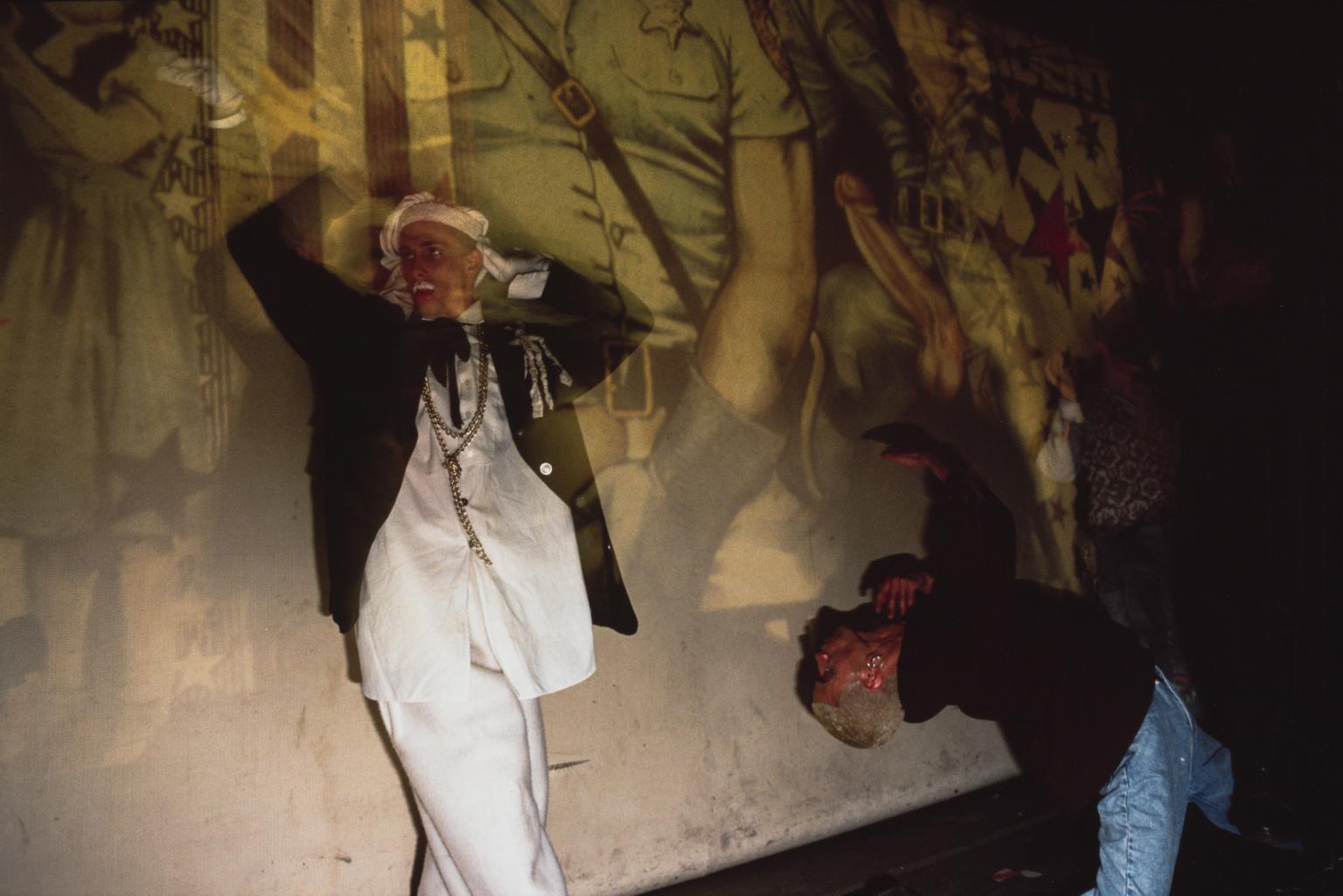
Chris Steele-Perkins, ‘Vogueing’ at a Gay-night in The Fringe, London 1980–9
The Pleasure Principle 1980–9 is a set of forty-four colour cibachrome photographic prints depicting scenes of leisure and enjoyment in Britain in the 1980s. The subjects of the photographs range from youth culture and sport to political associations and countryside hobbies. The collection also includes a portrait of then Prime Minister Margaret Thatcher. In each case, Steele-Perkins highlighted what he considered to be specifically ‘British’ pursuits and activities, prompting a reflection on the state of British society. Returning to England after spending time photographing abroad, Steele-Perkins experienced a kind of culture shock. He has described how:
22/28
artworks in Tony Ray-Jones
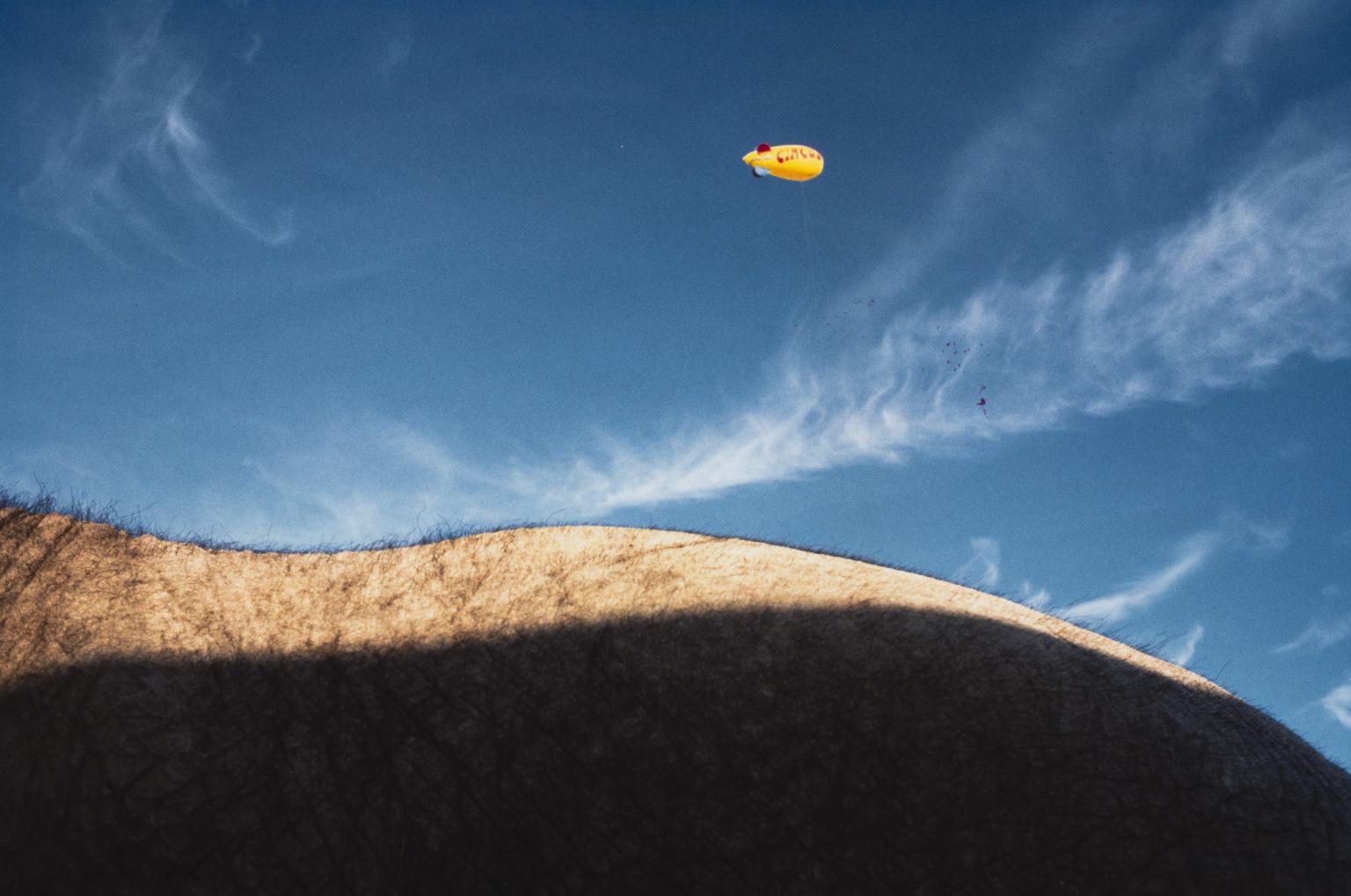
Chris Steele-Perkins, Circus Elephant, Crystal Palace 1980–9
The Pleasure Principle 1980–9 is a set of forty-four colour cibachrome photographic prints depicting scenes of leisure and enjoyment in Britain in the 1980s. The subjects of the photographs range from youth culture and sport to political associations and countryside hobbies. The collection also includes a portrait of then Prime Minister Margaret Thatcher. In each case, Steele-Perkins highlighted what he considered to be specifically ‘British’ pursuits and activities, prompting a reflection on the state of British society. Returning to England after spending time photographing abroad, Steele-Perkins experienced a kind of culture shock. He has described how:
23/28
artworks in Tony Ray-Jones
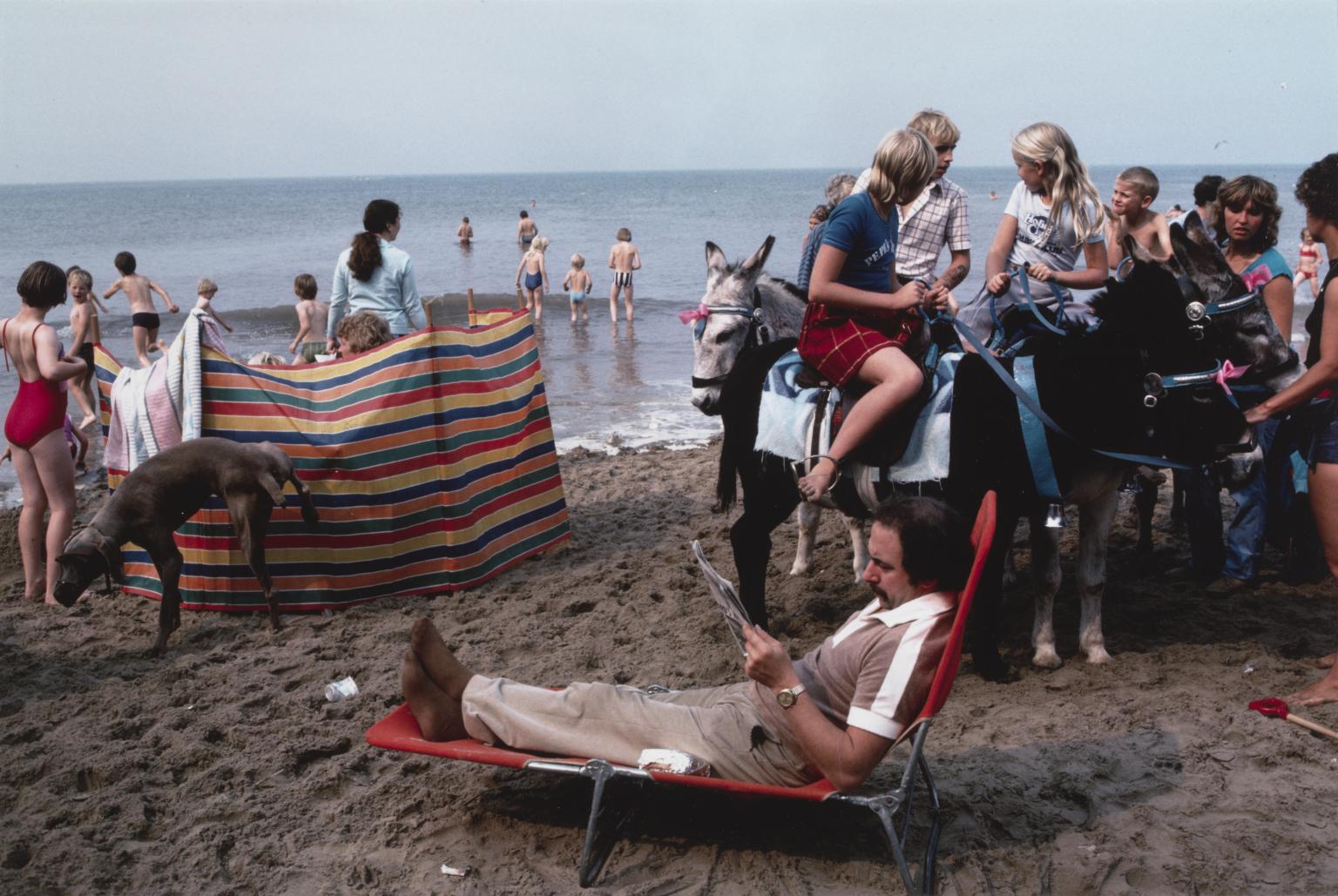
Chris Steele-Perkins, Blackpool Beach 1980–9
The Pleasure Principle 1980–9 is a set of forty-four colour cibachrome photographic prints depicting scenes of leisure and enjoyment in Britain in the 1980s. The subjects of the photographs range from youth culture and sport to political associations and countryside hobbies. The collection also includes a portrait of then Prime Minister Margaret Thatcher. In each case, Steele-Perkins highlighted what he considered to be specifically ‘British’ pursuits and activities, prompting a reflection on the state of British society. Returning to England after spending time photographing abroad, Steele-Perkins experienced a kind of culture shock. He has described how:
25/28
artworks in Tony Ray-Jones
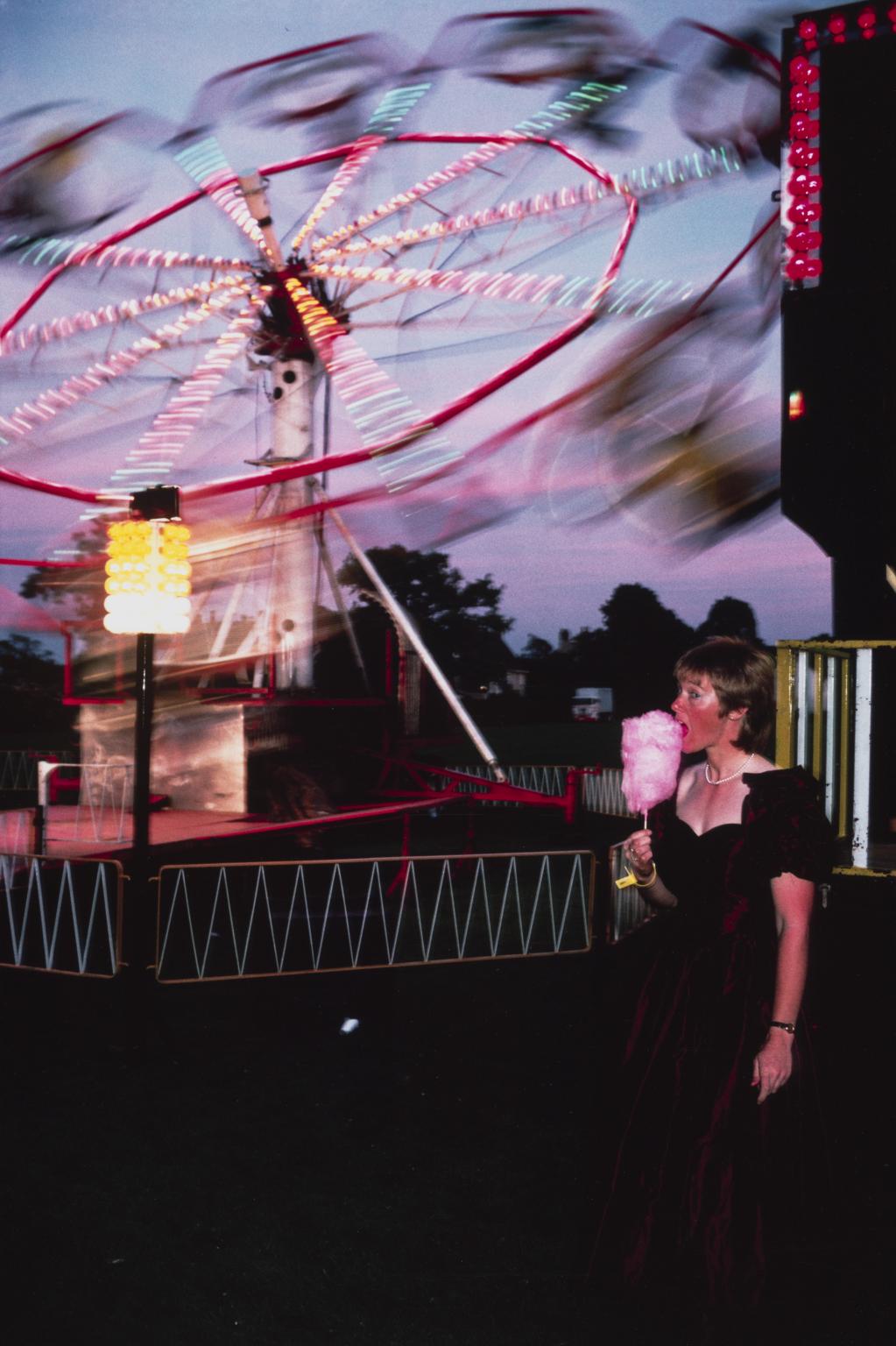
Chris Steele-Perkins, Cambridge University Spring Ball 1980–9
The Pleasure Principle 1980–9 is a set of forty-four colour cibachrome photographic prints depicting scenes of leisure and enjoyment in Britain in the 1980s. The subjects of the photographs range from youth culture and sport to political associations and countryside hobbies. The collection also includes a portrait of then Prime Minister Margaret Thatcher. In each case, Steele-Perkins highlighted what he considered to be specifically ‘British’ pursuits and activities, prompting a reflection on the state of British society. Returning to England after spending time photographing abroad, Steele-Perkins experienced a kind of culture shock. He has described how:
26/28
artworks in Tony Ray-Jones
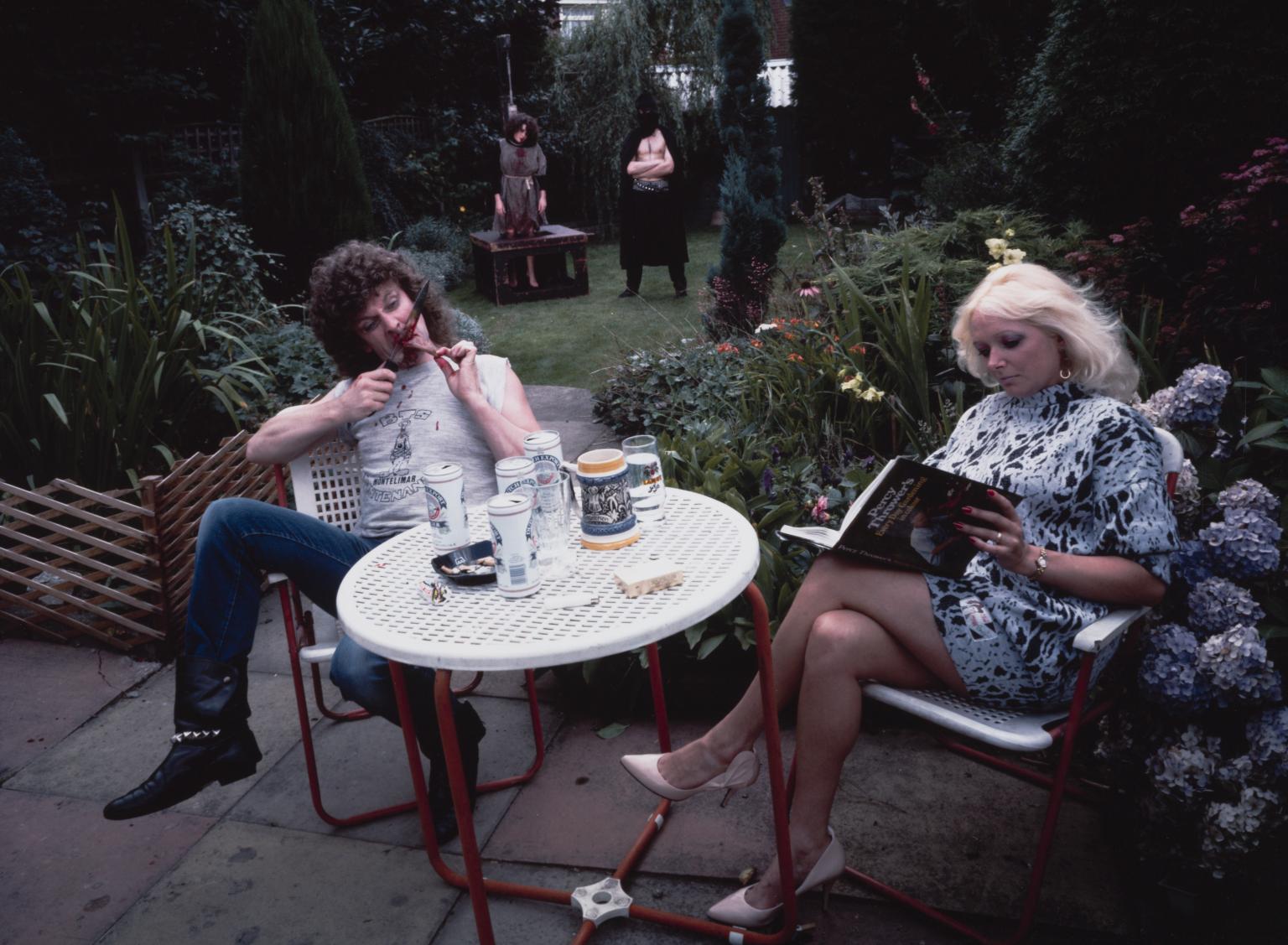
Chris Steele-Perkins, Alternative Cabaret Group, Birmingham 1980–9
The Pleasure Principle 1980–9 is a set of forty-four colour cibachrome photographic prints depicting scenes of leisure and enjoyment in Britain in the 1980s. The subjects of the photographs range from youth culture and sport to political associations and countryside hobbies. The collection also includes a portrait of then Prime Minister Margaret Thatcher. In each case, Steele-Perkins highlighted what he considered to be specifically ‘British’ pursuits and activities, prompting a reflection on the state of British society. Returning to England after spending time photographing abroad, Steele-Perkins experienced a kind of culture shock. He has described how:
27/28
artworks in Tony Ray-Jones
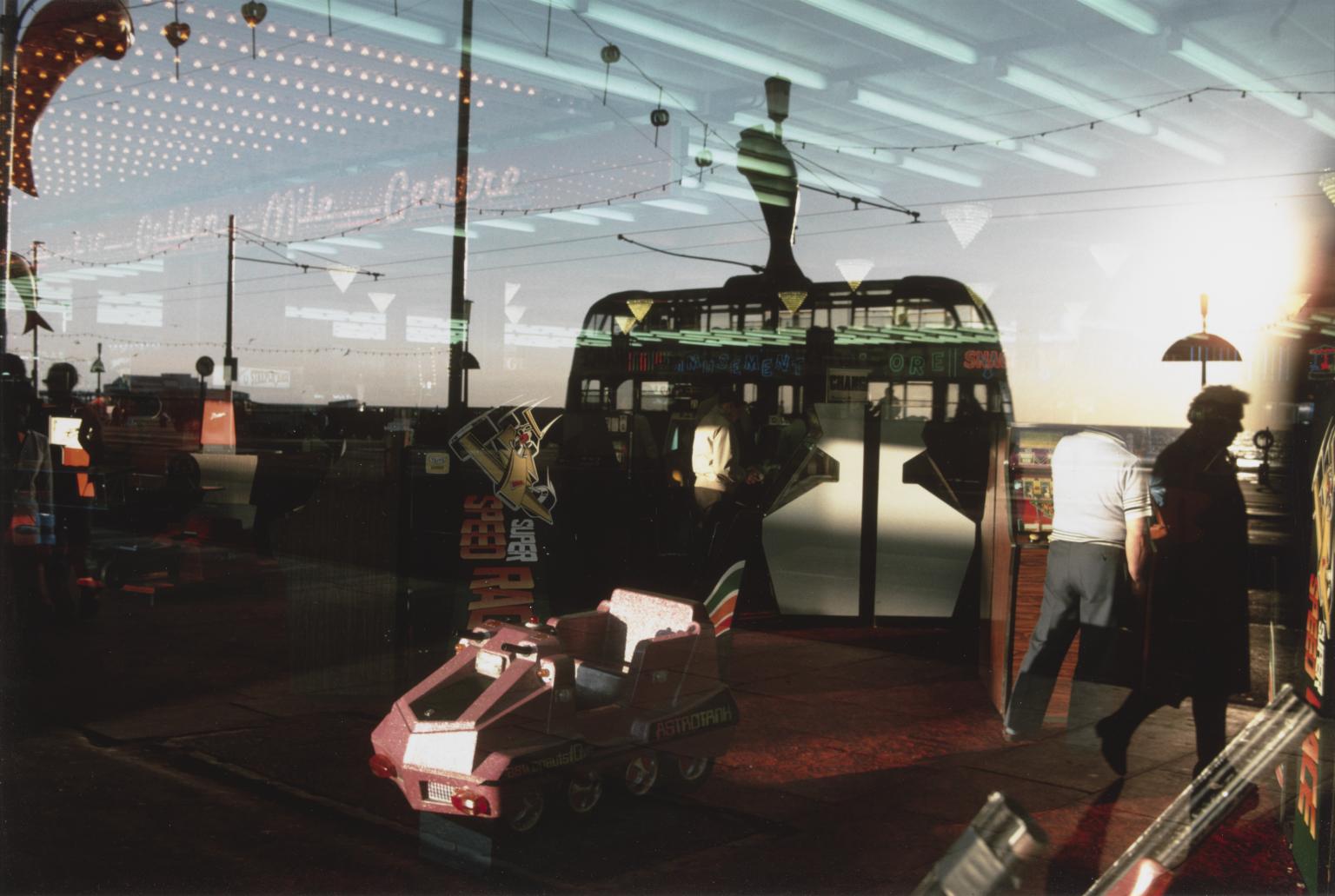
Chris Steele-Perkins, Golden Mile, Blackpool 1980–9
The Pleasure Principle 1980–9 is a set of forty-four colour cibachrome photographic prints depicting scenes of leisure and enjoyment in Britain in the 1980s. The subjects of the photographs range from youth culture and sport to political associations and countryside hobbies. The collection also includes a portrait of then Prime Minister Margaret Thatcher. In each case, Steele-Perkins highlighted what he considered to be specifically ‘British’ pursuits and activities, prompting a reflection on the state of British society. Returning to England after spending time photographing abroad, Steele-Perkins experienced a kind of culture shock. He has described how:
28/28
artworks in Tony Ray-Jones
Art in this room
Chris Steele-Perkins
Boarding Houses, Blackpool
1980–9
Chris Steele-Perkins
Cricket Match, Hampshire
1980–9
Chris Steele-Perkins
British Movement Demonstration, London
1980–9
Chris Steele-Perkins
Territorial Army Practice Repelling a Soviet Invasion
1980–9
Chris Steele-Perkins
Circus Acrobats at Crystal Palace
1980–9
Chris Steele-Perkins
Juliana’s Summer Party, London
1980–9
You've viewed 6/28 artworks
You've viewed 28/28 artworks