

Mari Katayama, bystander #23 2016, printed 2020. Tate. © Mari Katayama.
Mari Katayama uses her body and the materials she finds around her to make self-portraits, embroidered objects and living sculptures
Playing with conventions of the self-portrait, Katayama creates hand-sewn sculptures and photographs that prompt conversations and challenge misconceptions about our bodies. Born with the developmental condition congenital tibial hemimelia, Katayama chose to have her legs amputated at the age of nine. Her wearable sculptures, which also feature in her images, often include limbs, hands and embellished hearts. She has said, ‘The hearts I make are always “broken” hearts. That’s because a broken heart, which has been bumped, tumbled and battered, shines like a mirror ball, and reflects light from multiple sides, good and bad, much more than a fresh and smooth heart without a scratch.’
This display shows a range of work created in the last 20 years. Katayama’s work reflects her belief that contemporary art is based on your own experiences. She uses everyday materials that she finds around her – including her own body, clothes and newspaper clippings – to make her sculptures and images. Commenting on her process, Katayama says: ‘I make objects with a needle and thread because I believe they are the most powerful mediums. Compared to plaster, wood or metal, they are light, easy to handle and accessible to everyone.’
With travel support from Pola Art Foundation.
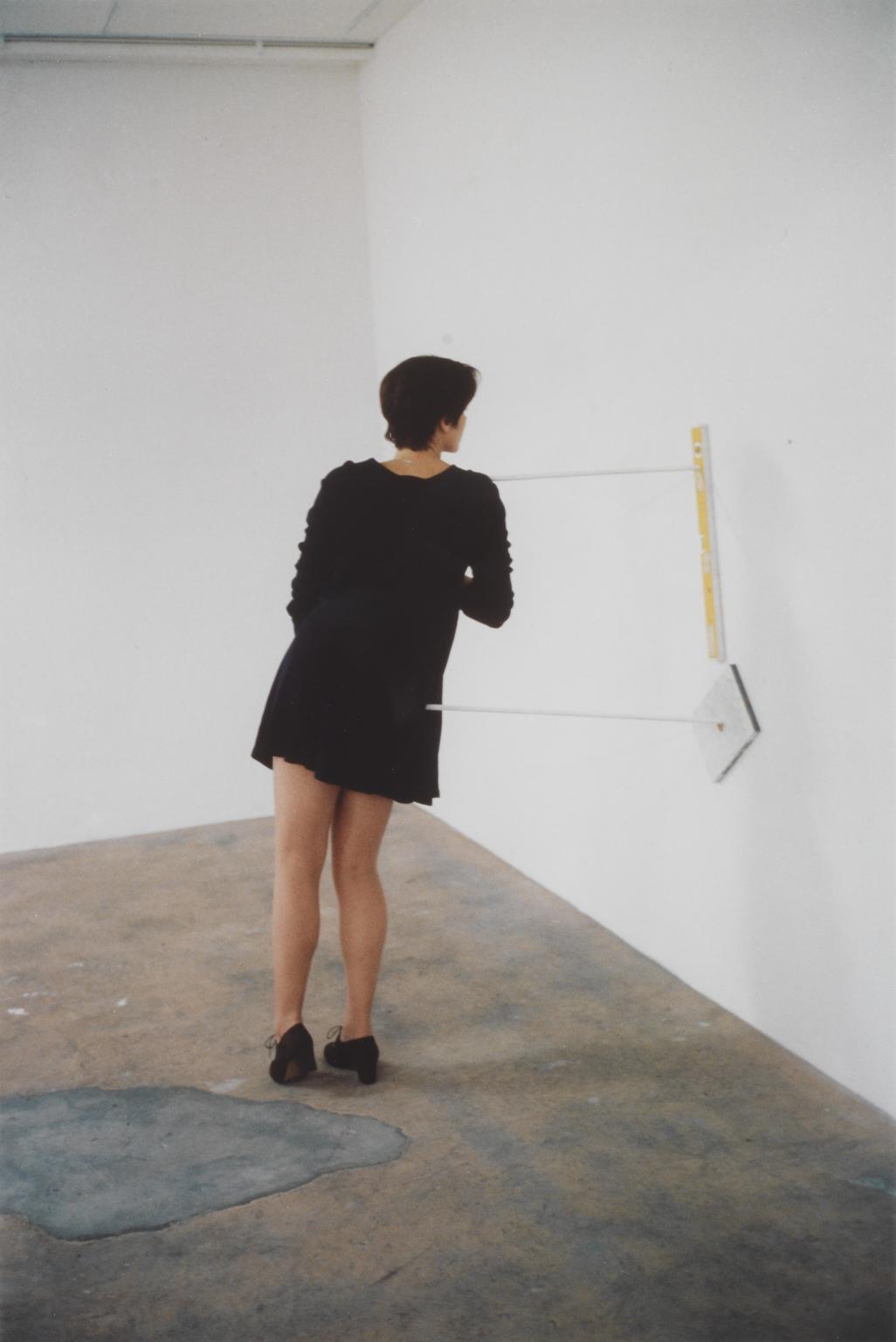
Erwin Wurm, One Minute Sculptures 1997
This colour photograph is one of a large number in Tate’s collection from Erwin Wurm’s series One Minute Sculptures (see Tate P14777–P14816 and Tate P82011–P82018). Wurm began his One Minute Sculptures in 1988, and has since been continuously contributing to the encyclopaedic series in myriad locations around the world. As well as photographs, the series comprises video (see One Minute Sculptures 1977, Tate T15047) and performance works (see Double Bucket 2009, Tate T15258, and Organisation of Love 2007, Tate T15257). The individual photographs feature images of people – anonymous participants, performers, curators, artists and even the artist himself – engaging in unconventional and sometimes physically challenging interactions with everyday objects such as clothing, buckets, balls, doorframes, bicycles and perishable goods. The resulting compositions feature unusual contortions – held for a minute – and illogical still-lives that are both humorous and provocative. While the photograph is the enduring record of each composition, the work comprises the entirety of the performative process, which begins with Wurm delivering instructions, both written and pictorial, to the subject of the ‘sculpture’. The participant subsequently enacts the determined formation or action and maintains it for a period of sixty seconds, during which time the pose is photographed. In a complex work that explores interaction, activation and the temporal, Wurm employs the photographic medium as a means of cataloguing his ephemeral studies.
9/23
artworks in Mari Katayama
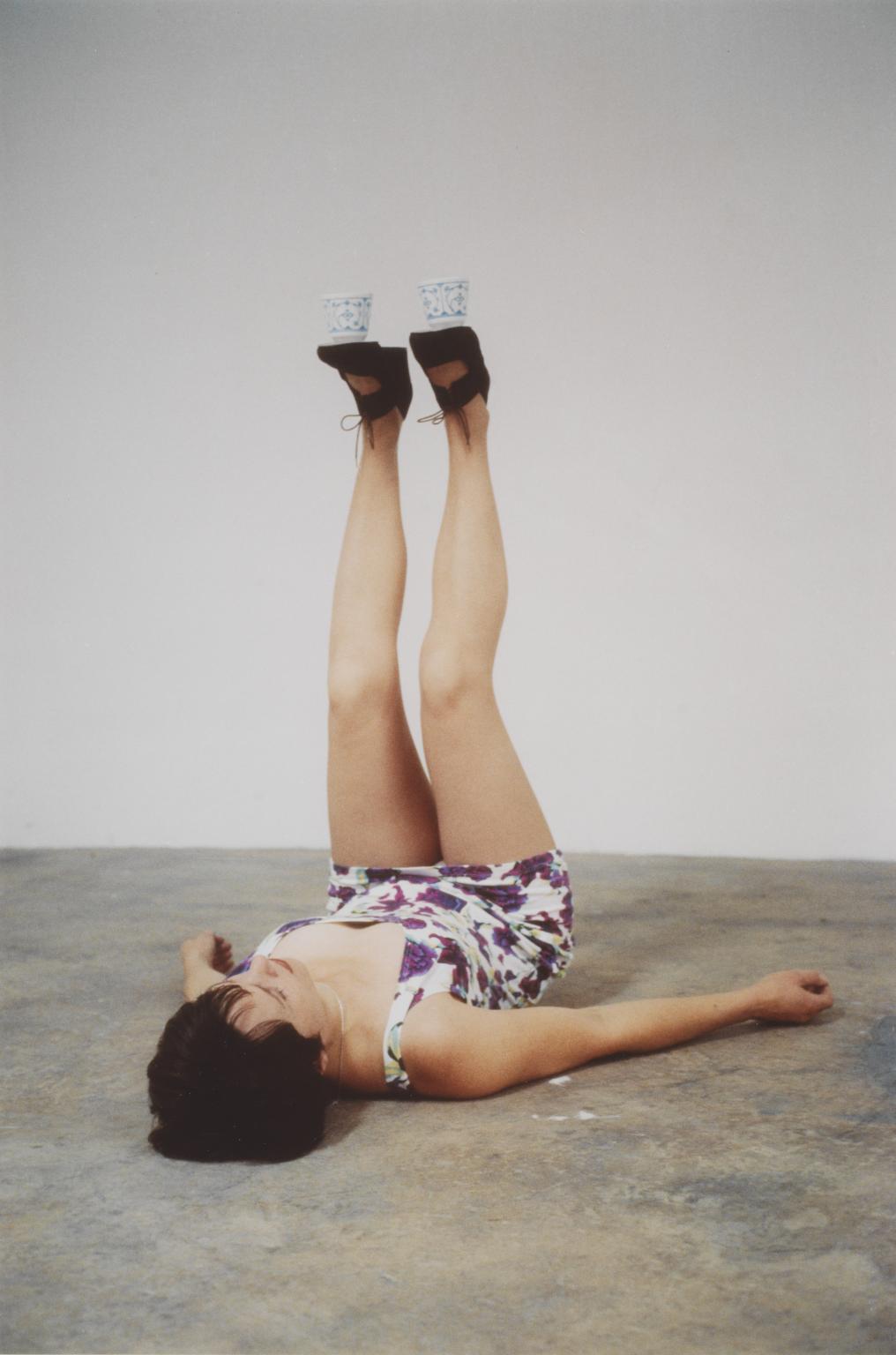
Erwin Wurm, One Minute Sculptures 1997
This colour photograph is one of a large number in Tate’s collection from Erwin Wurm’s series One Minute Sculptures (see Tate P14777–P14816 and Tate P82011–P82018). Wurm began his One Minute Sculptures in 1988, and has since been continuously contributing to the encyclopaedic series in myriad locations around the world. As well as photographs, the series comprises video (see One Minute Sculptures 1977, Tate T15047) and performance works (see Double Bucket 2009, Tate T15258, and Organisation of Love 2007, Tate T15257). The individual photographs feature images of people – anonymous participants, performers, curators, artists and even the artist himself – engaging in unconventional and sometimes physically challenging interactions with everyday objects such as clothing, buckets, balls, doorframes, bicycles and perishable goods. The resulting compositions feature unusual contortions – held for a minute – and illogical still-lives that are both humorous and provocative. While the photograph is the enduring record of each composition, the work comprises the entirety of the performative process, which begins with Wurm delivering instructions, both written and pictorial, to the subject of the ‘sculpture’. The participant subsequently enacts the determined formation or action and maintains it for a period of sixty seconds, during which time the pose is photographed. In a complex work that explores interaction, activation and the temporal, Wurm employs the photographic medium as a means of cataloguing his ephemeral studies.
10/23
artworks in Mari Katayama
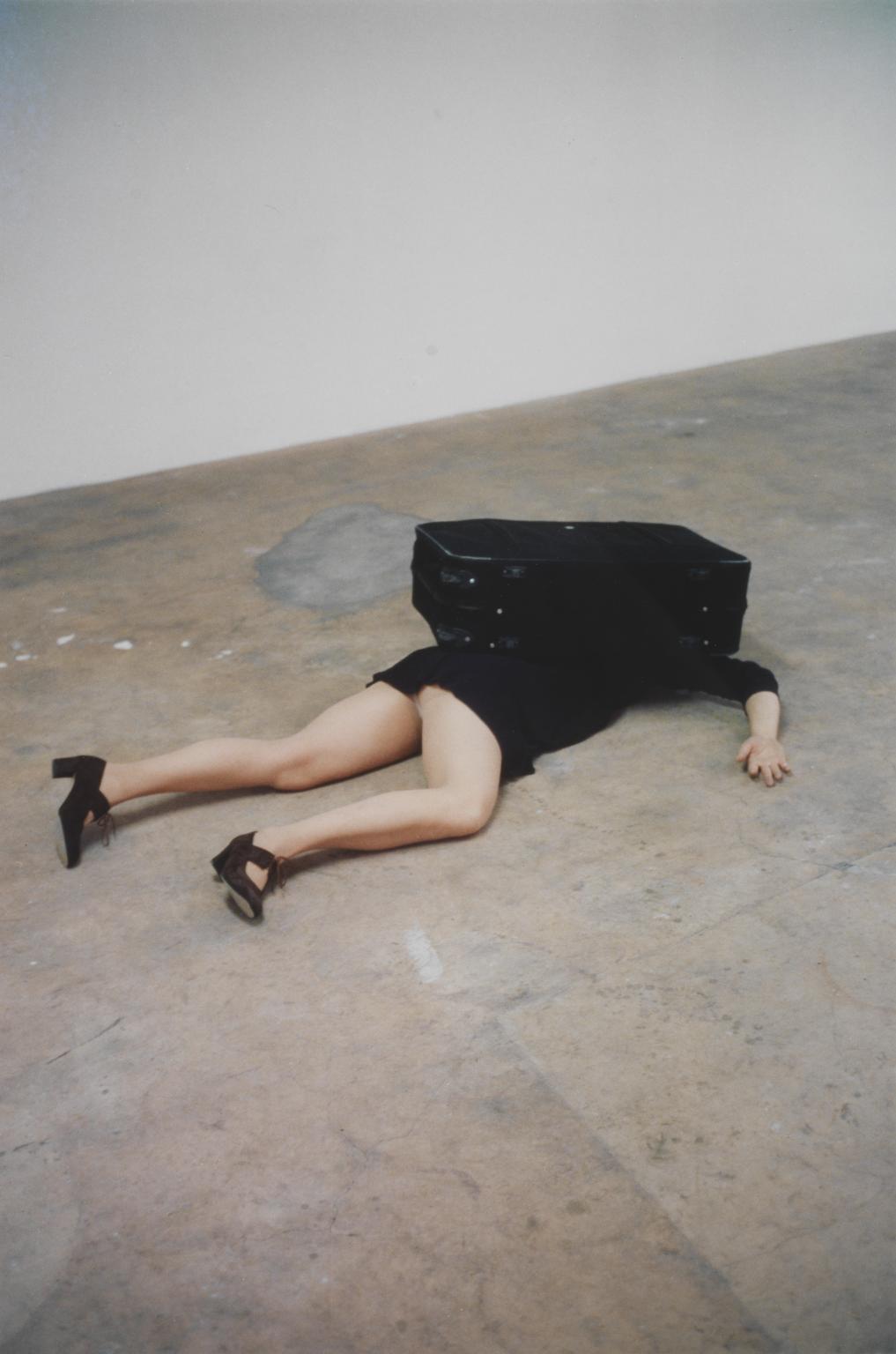
Erwin Wurm, One Minute Sculptures 1997
This colour photograph is one of a large number in Tate’s collection from Erwin Wurm’s series One Minute Sculptures (see Tate P14777–P14816 and Tate P82011–P82018). Wurm began his One Minute Sculptures in 1988, and has since been continuously contributing to the encyclopaedic series in myriad locations around the world. As well as photographs, the series comprises video (see One Minute Sculptures 1977, Tate T15047) and performance works (see Double Bucket 2009, Tate T15258, and Organisation of Love 2007, Tate T15257). The individual photographs feature images of people – anonymous participants, performers, curators, artists and even the artist himself – engaging in unconventional and sometimes physically challenging interactions with everyday objects such as clothing, buckets, balls, doorframes, bicycles and perishable goods. The resulting compositions feature unusual contortions – held for a minute – and illogical still-lives that are both humorous and provocative. While the photograph is the enduring record of each composition, the work comprises the entirety of the performative process, which begins with Wurm delivering instructions, both written and pictorial, to the subject of the ‘sculpture’. The participant subsequently enacts the determined formation or action and maintains it for a period of sixty seconds, during which time the pose is photographed. In a complex work that explores interaction, activation and the temporal, Wurm employs the photographic medium as a means of cataloguing his ephemeral studies.
11/23
artworks in Mari Katayama
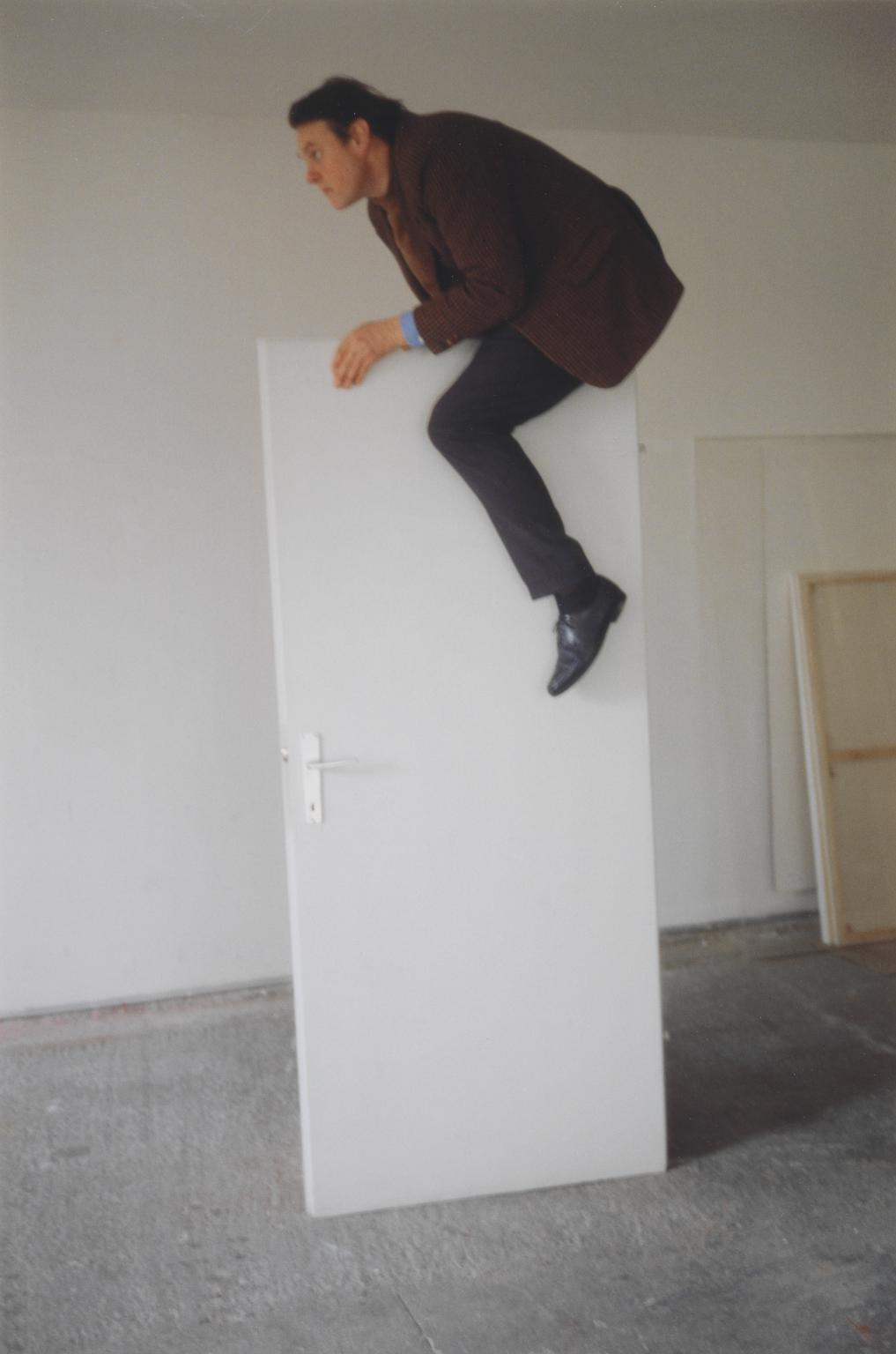
Erwin Wurm, One Minute Sculptures 1997
This colour photograph is one of a large number in Tate’s collection from Erwin Wurm’s series One Minute Sculptures (see Tate P14777–P14816 and Tate P82011–P82018). Wurm began his One Minute Sculptures in 1988, and has since been continuously contributing to the encyclopaedic series in myriad locations around the world. As well as photographs, the series comprises video (see One Minute Sculptures 1977, Tate T15047) and performance works (see Double Bucket 2009, Tate T15258, and Organisation of Love 2007, Tate T15257). The individual photographs feature images of people – anonymous participants, performers, curators, artists and even the artist himself – engaging in unconventional and sometimes physically challenging interactions with everyday objects such as clothing, buckets, balls, doorframes, bicycles and perishable goods. The resulting compositions feature unusual contortions – held for a minute – and illogical still-lives that are both humorous and provocative. While the photograph is the enduring record of each composition, the work comprises the entirety of the performative process, which begins with Wurm delivering instructions, both written and pictorial, to the subject of the ‘sculpture’. The participant subsequently enacts the determined formation or action and maintains it for a period of sixty seconds, during which time the pose is photographed. In a complex work that explores interaction, activation and the temporal, Wurm employs the photographic medium as a means of cataloguing his ephemeral studies.
12/23
artworks in Mari Katayama
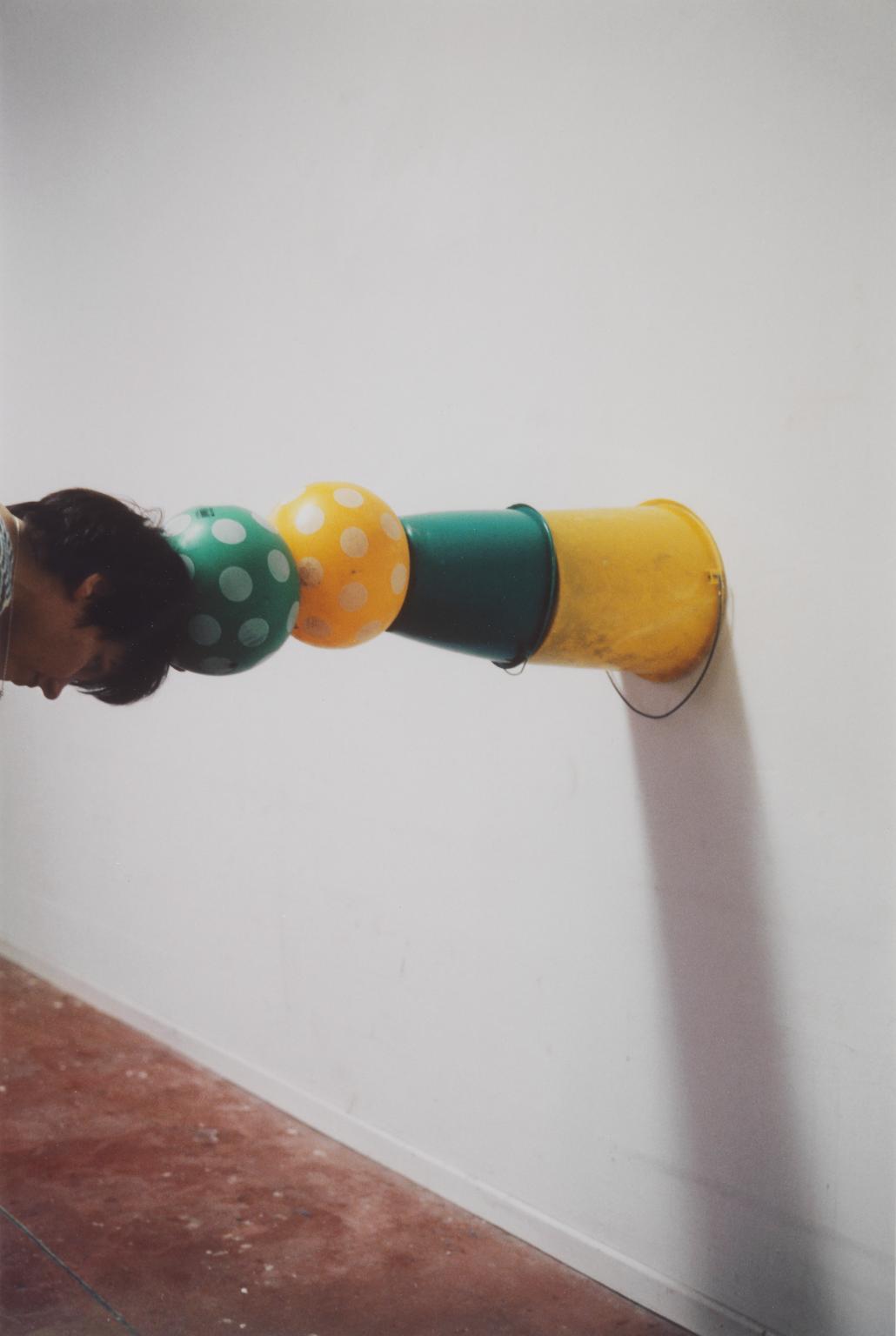
Erwin Wurm, One Minute Sculptures 1997
This colour photograph is one of a large number in Tate’s collection from Erwin Wurm’s series One Minute Sculptures (see Tate P14777–P14816 and Tate P82011–P82018). Wurm began his One Minute Sculptures in 1988, and has since been continuously contributing to the encyclopaedic series in myriad locations around the world. As well as photographs, the series comprises video (see One Minute Sculptures 1977, Tate T15047) and performance works (see Double Bucket 2009, Tate T15258, and Organisation of Love 2007, Tate T15257). The individual photographs feature images of people – anonymous participants, performers, curators, artists and even the artist himself – engaging in unconventional and sometimes physically challenging interactions with everyday objects such as clothing, buckets, balls, doorframes, bicycles and perishable goods. The resulting compositions feature unusual contortions – held for a minute – and illogical still-lives that are both humorous and provocative. While the photograph is the enduring record of each composition, the work comprises the entirety of the performative process, which begins with Wurm delivering instructions, both written and pictorial, to the subject of the ‘sculpture’. The participant subsequently enacts the determined formation or action and maintains it for a period of sixty seconds, during which time the pose is photographed. In a complex work that explores interaction, activation and the temporal, Wurm employs the photographic medium as a means of cataloguing his ephemeral studies.
13/23
artworks in Mari Katayama
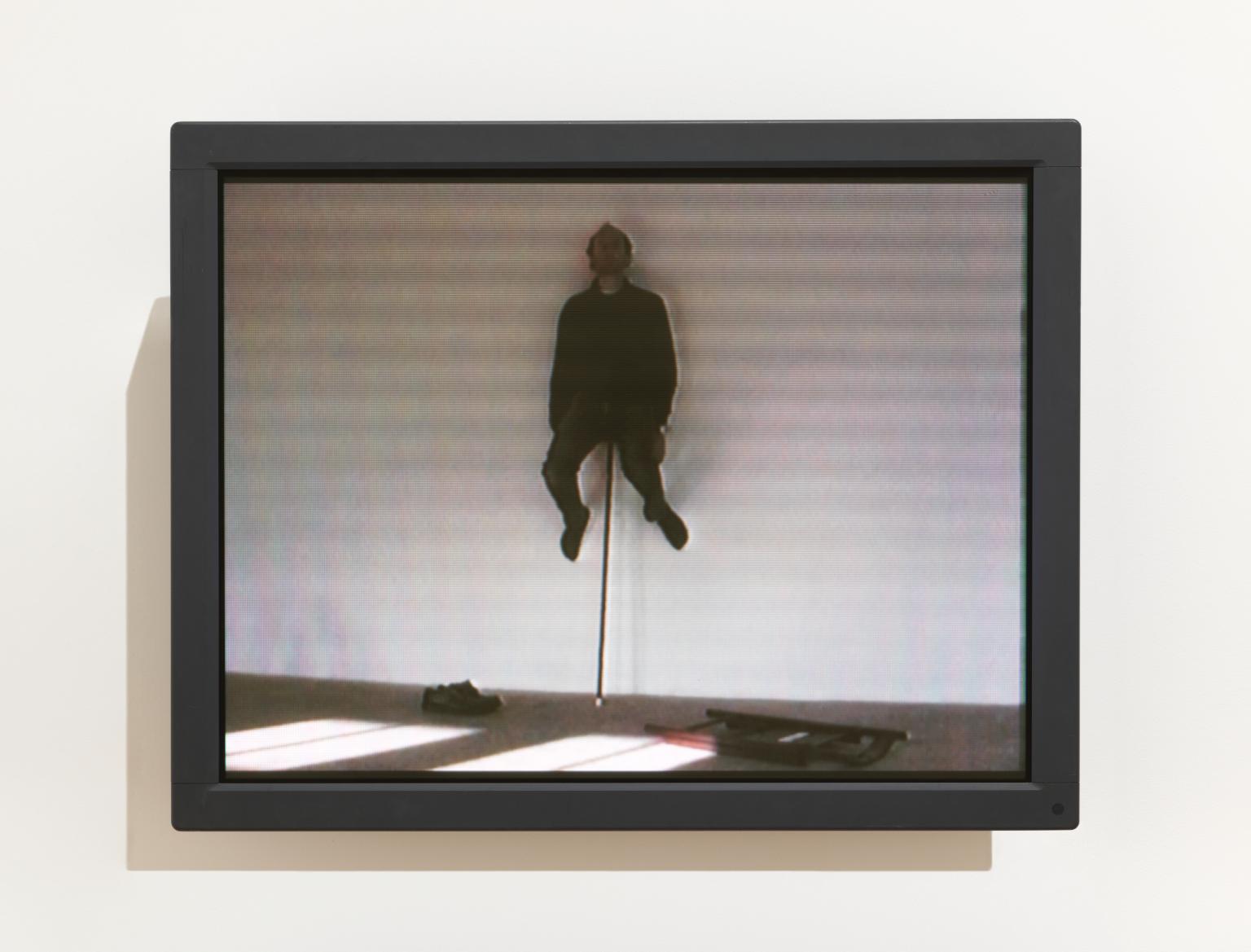
Erwin Wurm, One Minute Sculptures 1997
This video with sound is shown on a monitor and lasts nearly forty-eight minutes. It is one of a large number of works, mainly photographs, in Tate’s collection that form part of Erwin Wurm’s series One Minute Sculptures (see Tate P14777–P14816 and Tate P82011–P82016). Wurm began his One Minute Sculptures in 1988, and has since been continuously contributing to the encyclopaedic series in myriad locations around the world. The individual photographs feature images of people – anonymous participants, performers, curators, artists and even the artist himself – engaging in unconventional and sometimes physically challenging interactions with everyday objects such as clothing, buckets, balls, doorframes, bicycles and perishable goods. The resulting compositions feature unusual contortions – held for a minute – and illogical still-lives that are both humorous and provocative. While the photograph is the enduring record of each composition, the work comprises the entirety of the performative process, which begins with Wurm delivering instructions, both written and pictorial, to the subject of the ‘sculpture’. The participant subsequently enacts the determined formation or action and maintains it for a period of sixty seconds, during which time the pose is photographed. In a complex work that explores interaction, activation and the temporal, Wurm employs the photographic medium as a means of cataloguing his ephemeral studies.
16/23
artworks in Mari Katayama
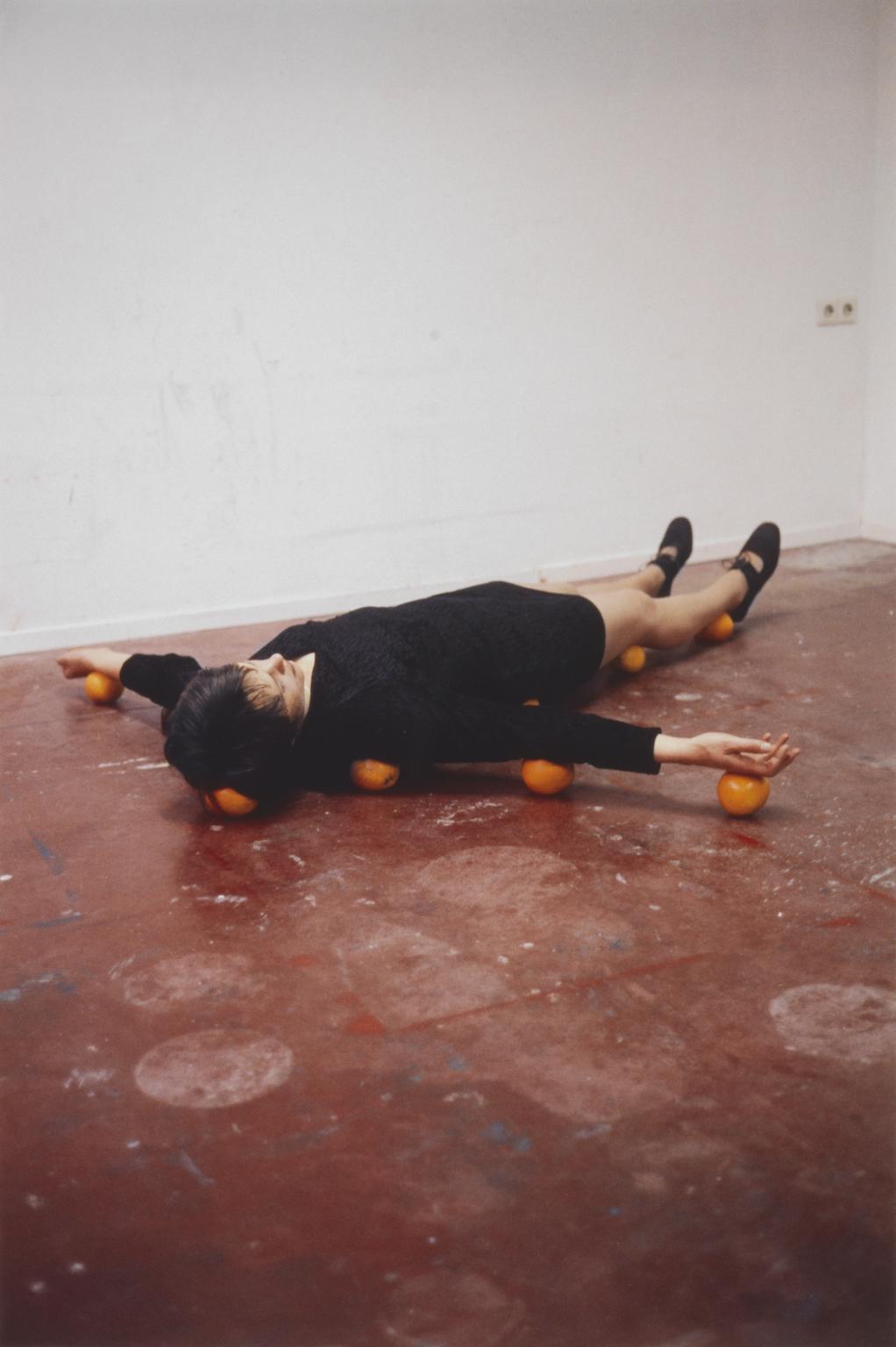
Erwin Wurm, One Minute Sculpture 1997
This colour photograph is one of a large number in Tate’s collection from Erwin Wurm’s series One Minute Sculptures (see Tate P14777–P14816 and Tate P82011–P82018). Wurm began his One Minute Sculptures in 1988, and has since been continuously contributing to the encyclopaedic series in myriad locations around the world. As well as photographs, the series comprises video (see One Minute Sculptures 1977, Tate T15047) and performance works (see Double Bucket 2009, Tate T15258, and Organisation of Love 2007, Tate T15257). The individual photographs feature images of people – anonymous participants, performers, curators, artists and even the artist himself – engaging in unconventional and sometimes physically challenging interactions with everyday objects such as clothing, buckets, balls, doorframes, bicycles and perishable goods. The resulting compositions feature unusual contortions – held for a minute – and illogical still-lives that are both humorous and provocative. While the photograph is the enduring record of each composition, the work comprises the entirety of the performative process, which begins with Wurm delivering instructions, both written and pictorial, to the subject of the ‘sculpture’. The participant subsequently enacts the determined formation or action and maintains it for a period of sixty seconds, during which time the pose is photographed. In a complex work that explores interaction, activation and the temporal, Wurm employs the photographic medium as a means of cataloguing his ephemeral studies.
17/23
artworks in Mari Katayama
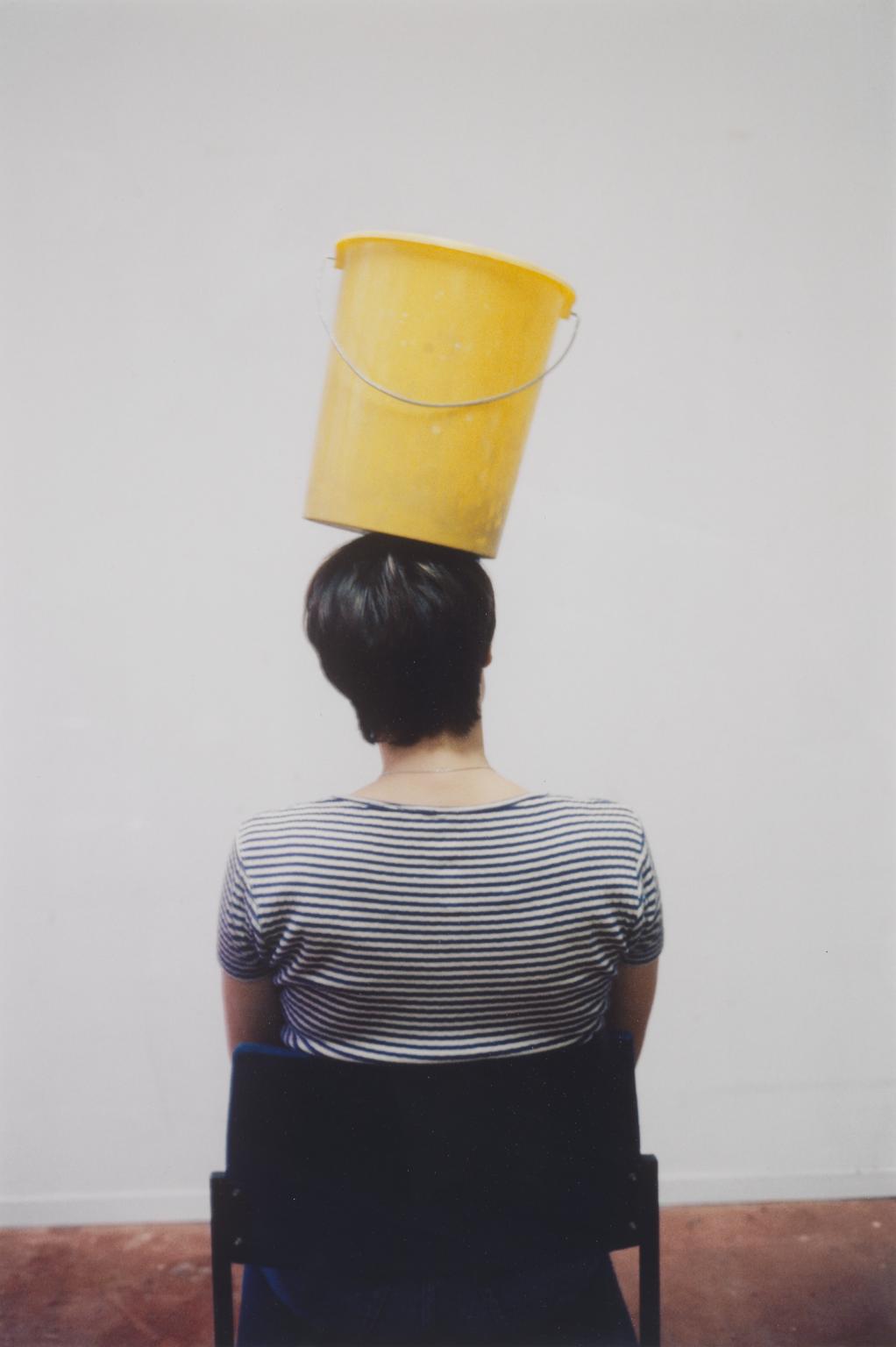
Erwin Wurm, One Minute Sculptures 1997
This colour photograph is one of a large number in Tate’s collection from Erwin Wurm’s series One Minute Sculptures (see Tate P14777–P14816 and Tate P82011–P82018). Wurm began his One Minute Sculptures in 1988, and has since been continuously contributing to the encyclopaedic series in myriad locations around the world. As well as photographs, the series comprises video (see One Minute Sculptures 1977, Tate T15047) and performance works (see Double Bucket 2009, Tate T15258, and Organisation of Love 2007, Tate T15257). The individual photographs feature images of people – anonymous participants, performers, curators, artists and even the artist himself – engaging in unconventional and sometimes physically challenging interactions with everyday objects such as clothing, buckets, balls, doorframes, bicycles and perishable goods. The resulting compositions feature unusual contortions – held for a minute – and illogical still-lives that are both humorous and provocative. While the photograph is the enduring record of each composition, the work comprises the entirety of the performative process, which begins with Wurm delivering instructions, both written and pictorial, to the subject of the ‘sculpture’. The participant subsequently enacts the determined formation or action and maintains it for a period of sixty seconds, during which time the pose is photographed. In a complex work that explores interaction, activation and the temporal, Wurm employs the photographic medium as a means of cataloguing his ephemeral studies.
18/23
artworks in Mari Katayama
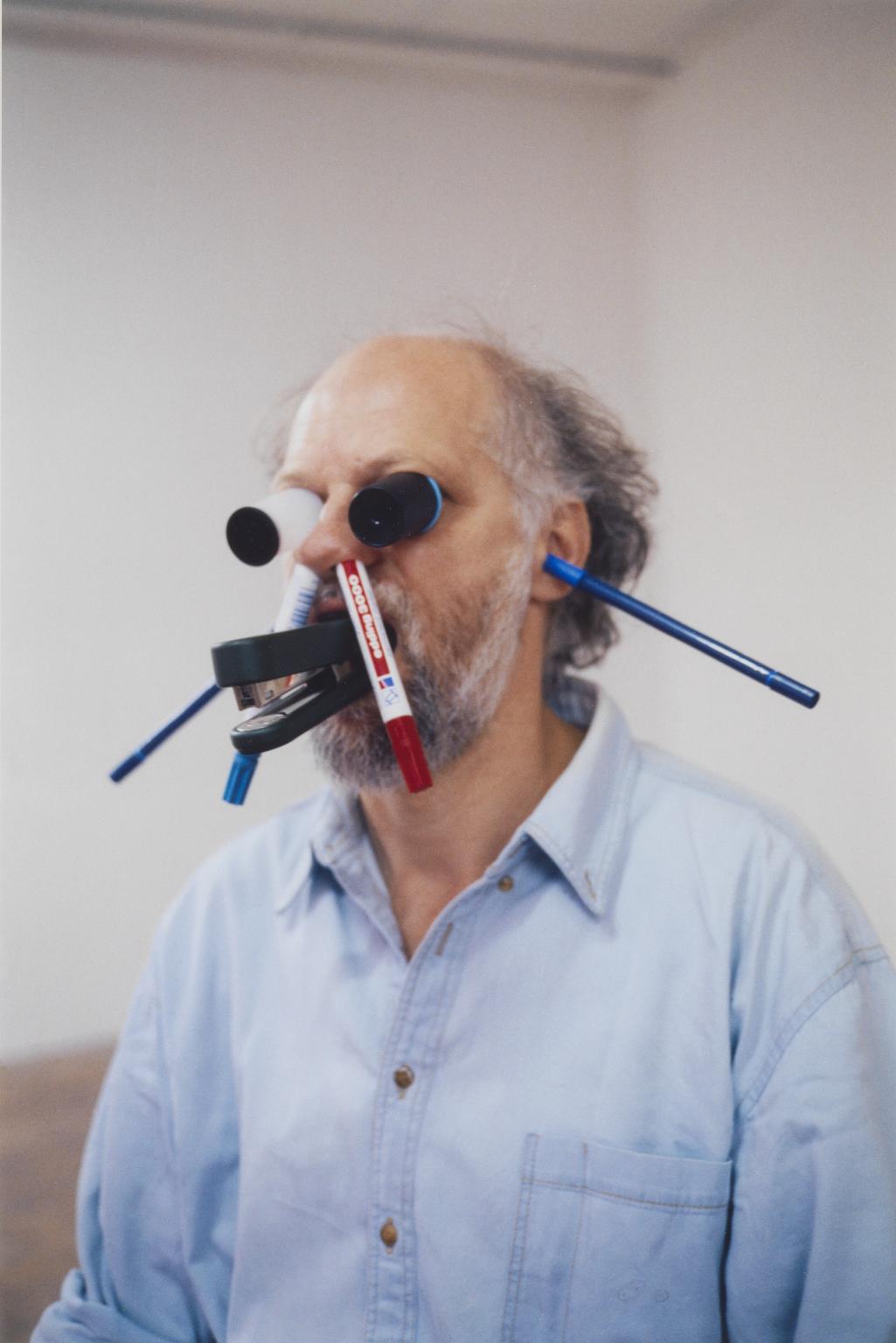
Erwin Wurm, One Minute Sculptures 1997
This colour photograph is one of a large number in Tate’s collection from Erwin Wurm’s series One Minute Sculptures (see Tate P14777–P14816 and Tate P82011–P82018). Wurm began his One Minute Sculptures in 1988, and has since been continuously contributing to the encyclopaedic series in myriad locations around the world. As well as photographs, the series comprises video (see One Minute Sculptures 1977, Tate T15047) and performance works (see Double Bucket 2009, Tate T15258, and Organisation of Love 2007, Tate T15257). The individual photographs feature images of people – anonymous participants, performers, curators, artists and even the artist himself – engaging in unconventional and sometimes physically challenging interactions with everyday objects such as clothing, buckets, balls, doorframes, bicycles and perishable goods. The resulting compositions feature unusual contortions – held for a minute – and illogical still-lives that are both humorous and provocative. While the photograph is the enduring record of each composition, the work comprises the entirety of the performative process, which begins with Wurm delivering instructions, both written and pictorial, to the subject of the ‘sculpture’. The participant subsequently enacts the determined formation or action and maintains it for a period of sixty seconds, during which time the pose is photographed. In a complex work that explores interaction, activation and the temporal, Wurm employs the photographic medium as a means of cataloguing his ephemeral studies.
19/23
artworks in Mari Katayama
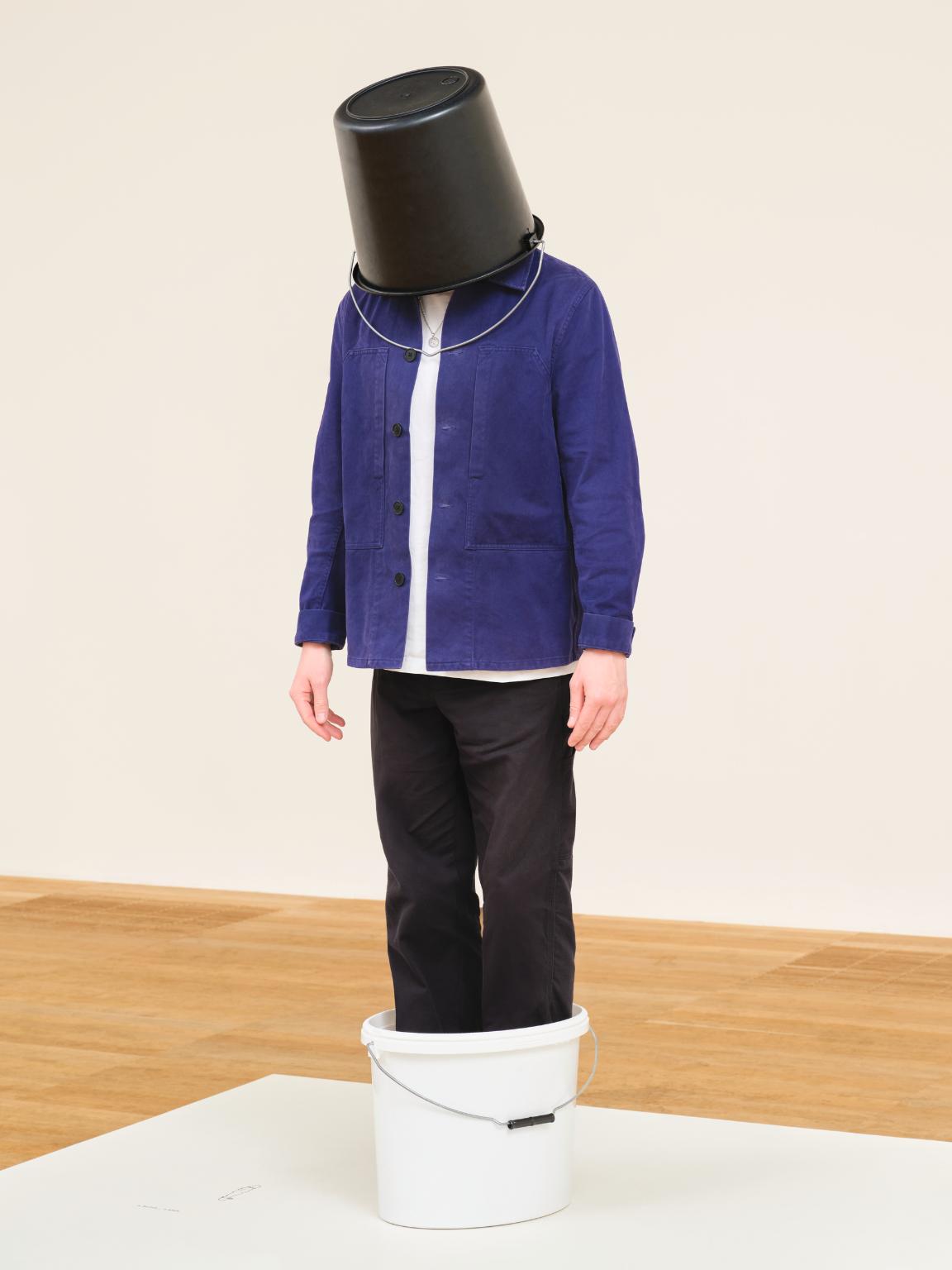
Erwin Wurm, Double Bucket 1997–2005
Double Bucket 2009 is a performance from Erwin Wurm’s extensive series of One Minute Sculptures in which people carry out unconventional interactions with everyday objects such as clothing, buckets, balls, doorframes, bicycles and even perishables. The interaction is held for a period of sixty seconds. Double Bucket materially consists of a low plinth and two plastic buckets. The instructions on how to perform the piece take the form of a drawing on paper by the artist as well as being hand-drawn by him on the plinth itself. The viewer is invited to complete the artwork by acting out the formation determined in the diagram and maintaining it for one minute. Here, they are encouraged to step fully inside one bucket and to place the other bucket on their head. The effect of acting out this sculpture is one of unusual behaviour, particularly in a museum setting, creating an illogical still-life which is both humorous and provocative. Wurm first began making One Minute Sculptures in 1988, and has since been continuously contributing to the encyclopaedic series in myriad locations around the world. The series spans the range of media central to Wurm’s practice, namely performance, sculpture, drawing and photography, and seeks to blur the distinctions between them. Photographs and video act as permanent records of the performances (see, for example, the photographs in Tate’s collection showing anonymous participants, performers, curators, artists and even the artist himself engaging in a range of One Minute Sculptures, P82011–P82018, P14777–P14816); but each work comprises the entirety of the performative process and its documentation.
22/23
artworks in Mari Katayama
Art in this room
Sorry, no image available
Erwin Wurm
One Minute Sculptures
1997–2005
Sorry, no image available
Erwin Wurm
One Minute Sculptures
1997–2005
Sorry, no image available
Erwin Wurm
One Minute Sculptures
1997–2005
Sorry, no image available
Erwin Wurm
One Minute Sculptures
1997–2005
Sorry, no image available
Erwin Wurm
One Minute Sculptures
1997–2005
Sorry, no image available
Erwin Wurm
One Minute Sculptures
1997–2005
You've viewed 6/23 artworks
You've viewed 23/23 artworks