

Photo © Tate: Serri
Sharon Hayes reads love letters aloud, bringing private emotions into a public space
This installation In Everything Else Has Failed! Don’t You Think It’s Time For Love? is based on a series of performances from 2007. Hayes was invited to create a work in the lobby of the investment bank UBS in New York City. However, she was more interested in making a project outside the building. Each day she went out onto the street at lunchtime and stood in front of a microphone to read a letter to an unnamed lover. The five speakers in this room play each of those readings in sequence.
The letters do not specify the sexuality of the writer or their lover. For the performances, however, Hayes has said that she ‘butched myself up even more than usual because I didn’t want the love to be read as heteronormative.’
These are highly emotional letters. They reflect the speaker’s feelings of dislocation during the US war in Iraq. She is angry with her government, but there is also a sense that anxieties and arguments about the war are driving her apart from her lover. Increasingly passionate and imploring, she talks of love and yearning, fearing that her lover may not hear her words. She frequently calls out to a ‘you’. As listeners, we can feel that the words are addressed to us. Hayes has described the performance as ‘trying to reach someone specific by shoutinginto the wind, so to speak.’

Samuel Fosso, African Spirits 2008, printed 2009
1/6
artworks in Sharon Hayes
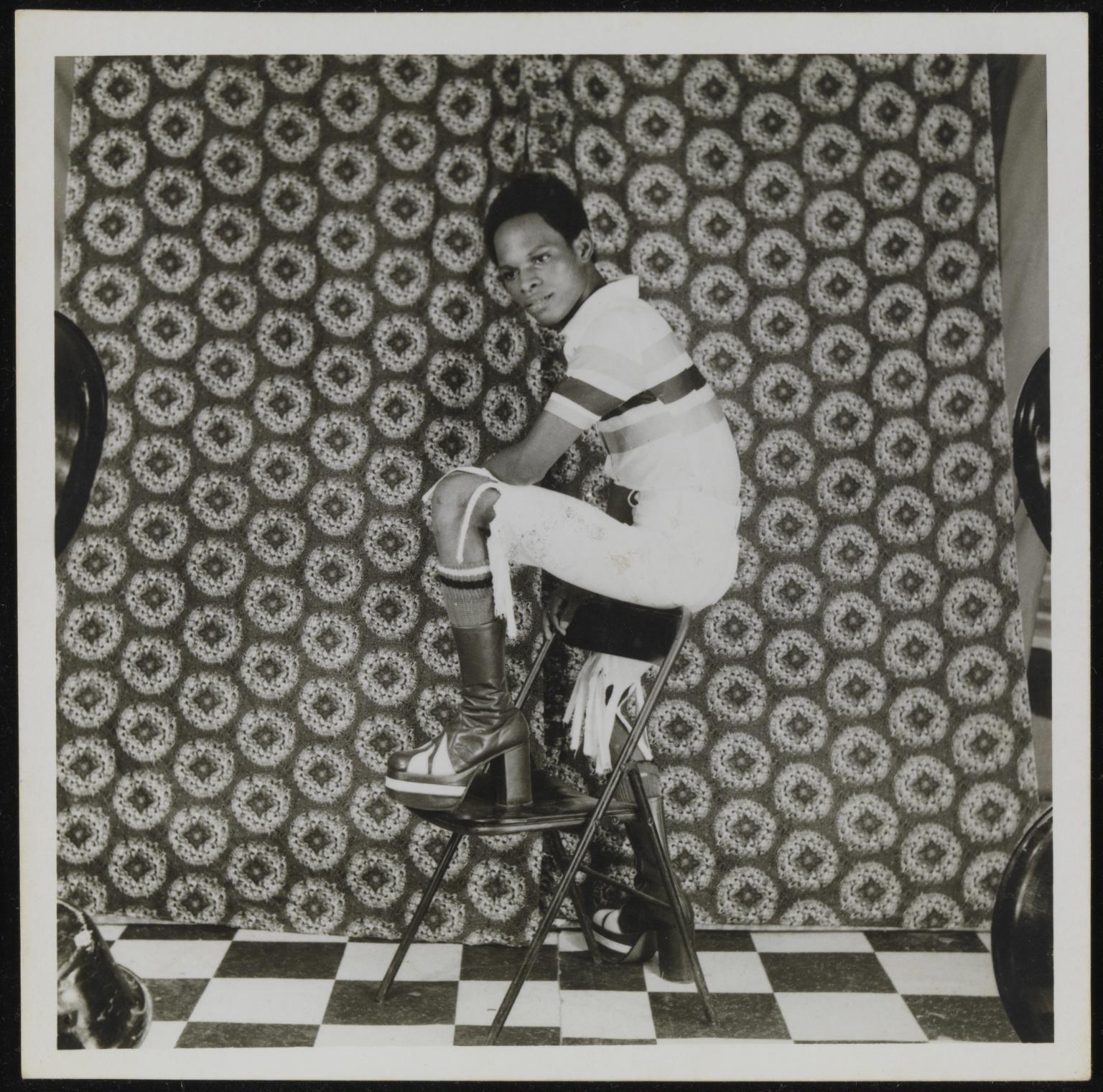
Samuel Fosso, Untitled 1978
2/6
artworks in Sharon Hayes
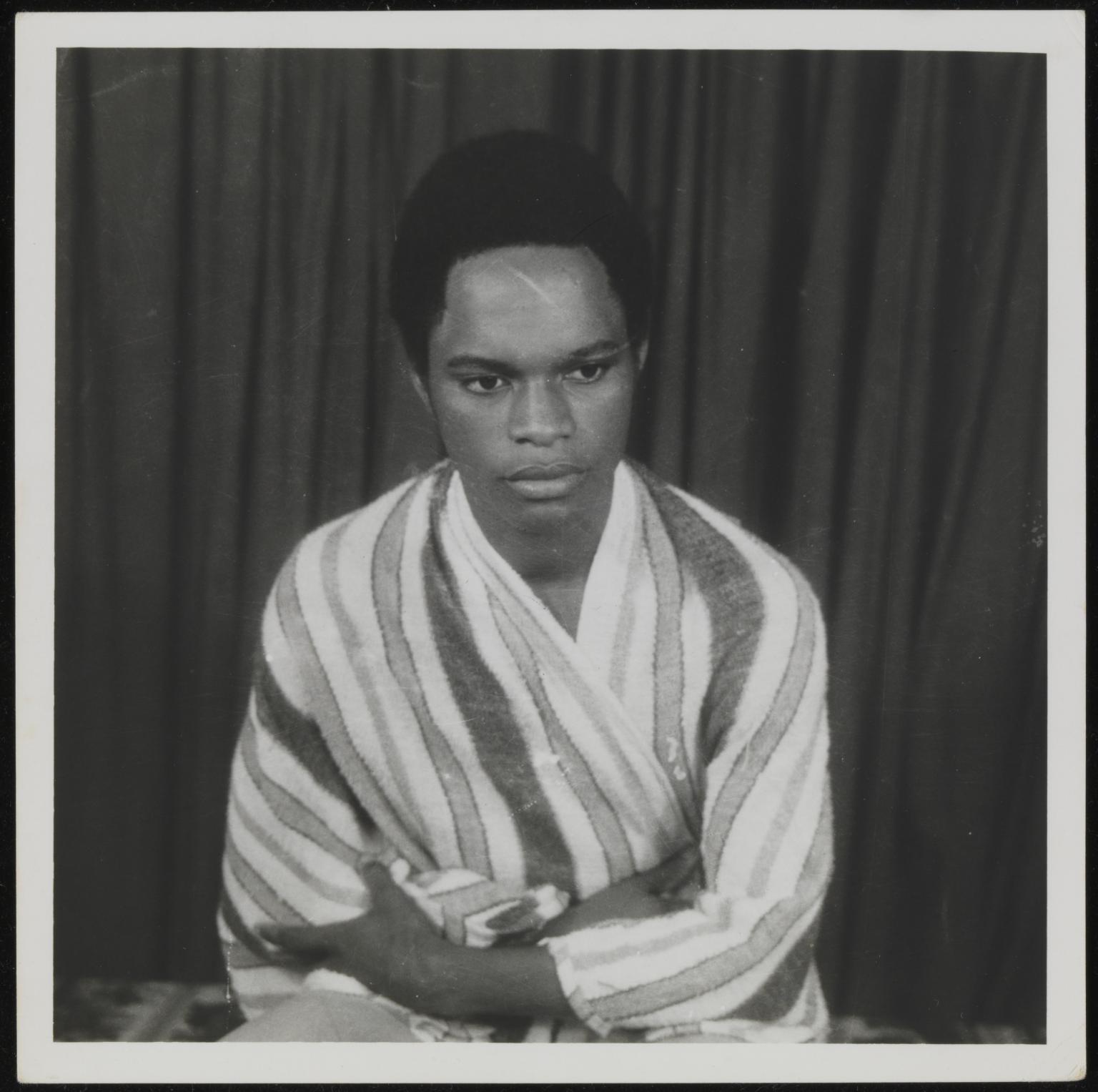
Samuel Fosso, Untitled 1978
3/6
artworks in Sharon Hayes
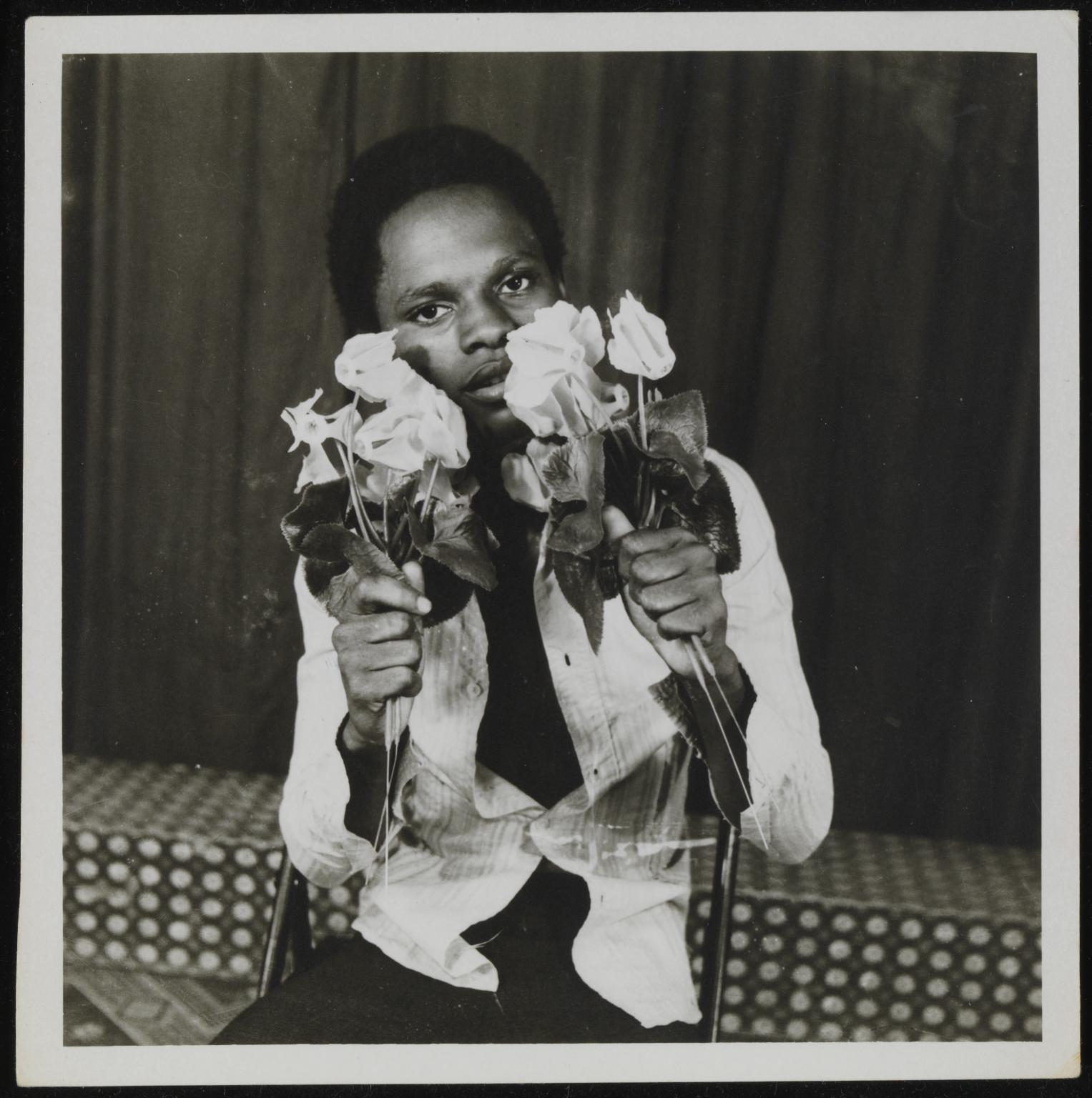
Samuel Fosso, Untitled 1979
4/6
artworks in Sharon Hayes
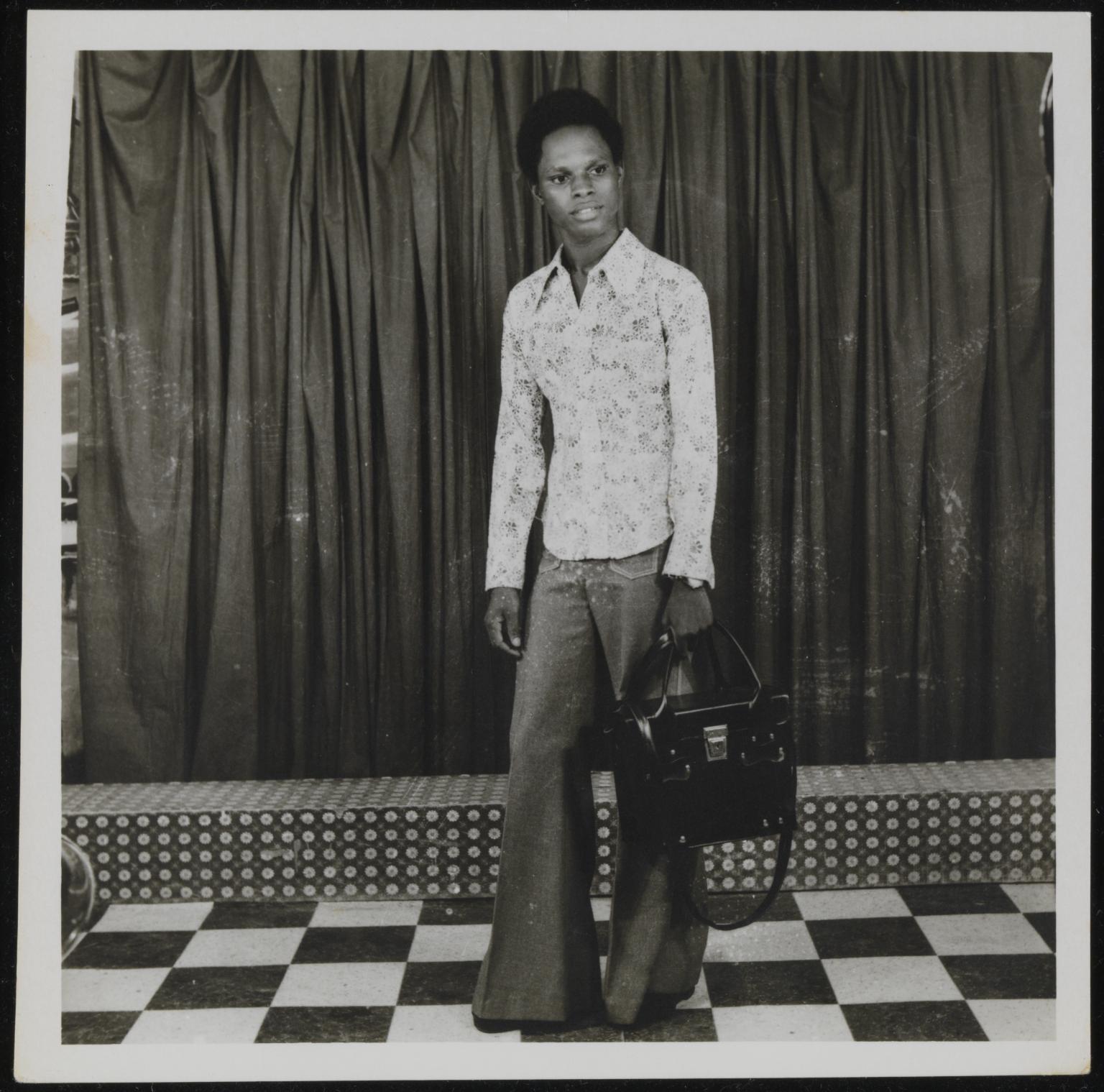
Samuel Fosso, Untitled 1979
5/6
artworks in Sharon Hayes
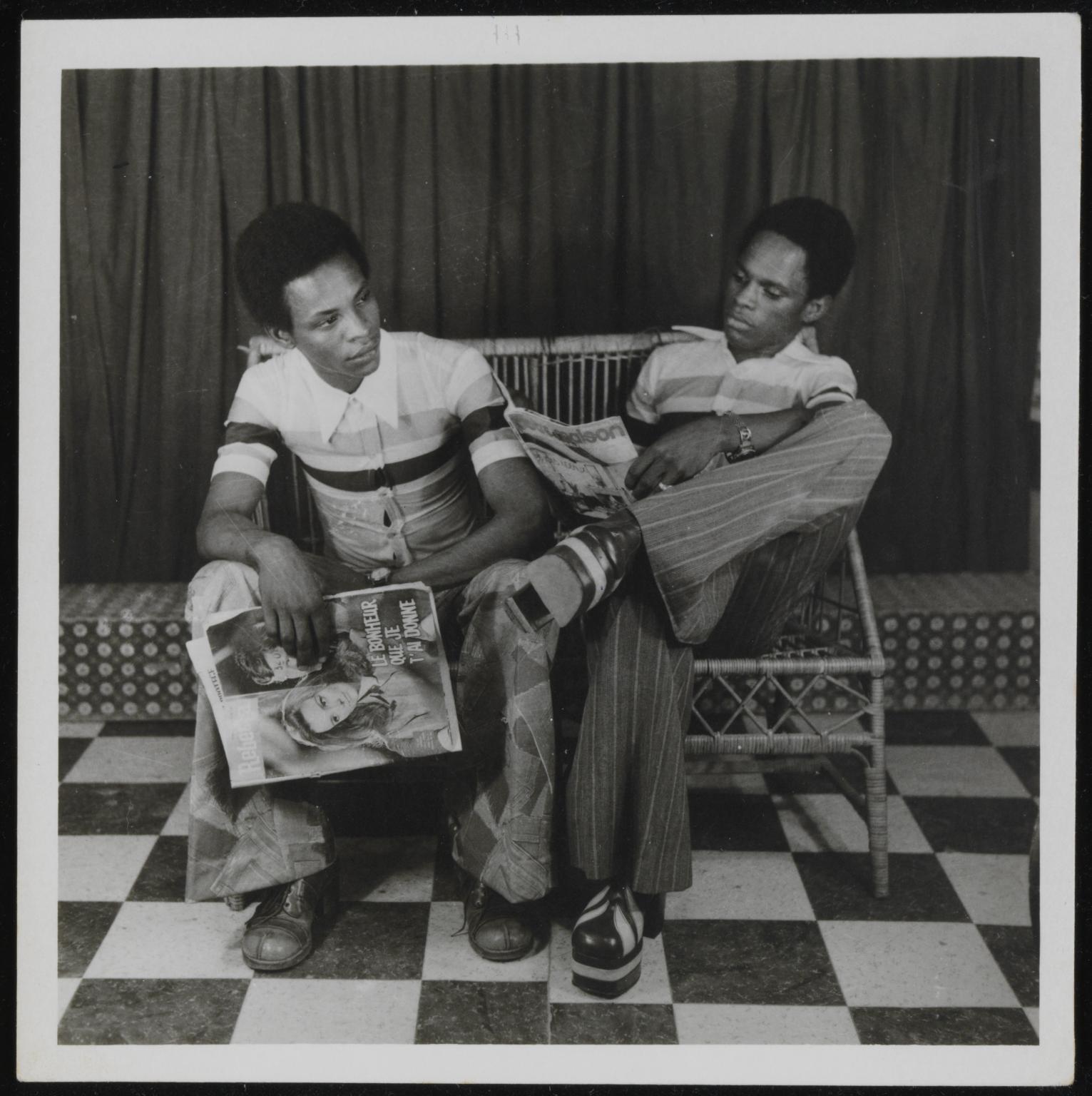
Samuel Fosso, Untitled 1978
6/6
artworks in Sharon Hayes
Art in this room
Samuel Fosso
African Spirits
2008, printed 2009
Samuel Fosso
Untitled
1978
Samuel Fosso
Untitled
1978
Samuel Fosso
Untitled
1979
Samuel Fosso
Untitled
1979
Samuel Fosso
Untitled
1978