Skip navigation

Main menu

  • What's On
  • Visit
  • Art
    • Discover Art
    • Artists
    • Artworks
    • Stories
    Stories
    Stories

    Watch, listen and read

  • Learn
    • Schools
    • Tate Kids
    • Research
    • Activities and workshops
    Tate Kids
    Tate Kids

    Games, quizzes and films for kids

  • Shop
Become a Member
  • View All
  • Exhibitions And Displays
  • On Today
  • Events
  • Tate Modern
  • Tate Britain
  • Tate St Ives
  • Tate Liverpool
  • Families
  • Accessibility
  • Schools
  • Private tours
  • Discover Art
  • Artists
  • Artworks
  • Stories
  • Schools
  • Tate Kids
  • Research
  • Activities and workshops
Tate home page

Try searching for...

  • A Bigger Splash
  • James McNeill Whistler
  • Julio Le Parc
  • Tate Britain Commission 2026
  • Tate Membership

DON'T MISS

Exhibition

Frida: The Making of an Icon

Tate Modern
Until 3 Jan 2027
FREE FOR MEMBERS
Exhibition

Hurvin Anderson

Tate Britain
Until 23 Aug 2026
FREE FOR MEMBERS
Become a Member

Allan Ramsay

1713–1784

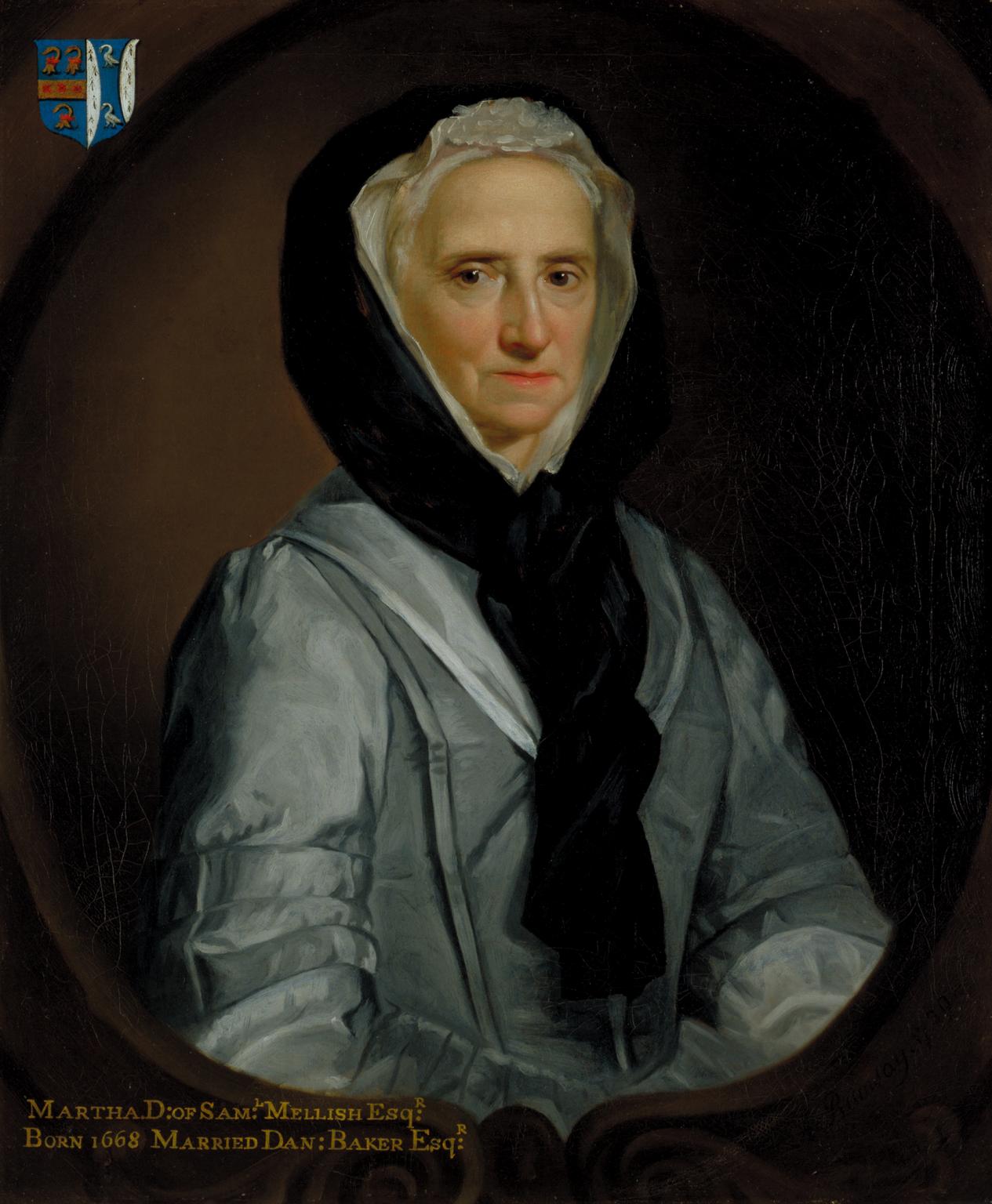
Portrait of Martha Baker 1739
License this image

Biography

Ramsay was born in Edinburgh. His father, also Allan Ramsay, was an important Scottish poet from whom the younger Ramsay inherited a tradition of strong nationalistic pride. Ramsay junior was instrumental in formulating a native Scottish style of painting, as his father had done for poetry.

Ramsay studied in London at St Martin's Lane Academy and at Hans Hysing's studio, before going to Italy. He worked from 1736 to 1738 at the French Academy in Rome under Francesco Imperiali and under Francesco Solimena in Naples. On his return he settled in London, although he continued to be active in Edinburgh. Between 1754 and 1757 he was in Italy, mostly in Rome. He was elected a Fellow of the Society of Antiquaries in 1743. During his prime period he had a virtual monopoly on court painting. The envy this aroused is manifested in a remark made by Ramsay's competitor Joshua Reynolds that Ramsay was 'not a good painter' (quoted in Smart 1952, p.106). He became the official painter to George III in 1760, and Principal Painter-in-Ordinary in 1767. His assistants included David Martin, Alexander Nasmyth and Philip Reinagle.

Ramsay was a correspondent of Voltaire and Rousseau, and a writer of poetry and essays. In On Ridicule (1753) he wrote that truth was 'the leading and inseparable principle in all works of art' (quoted in Smart 1952, p.70). Other essays include Dialogue on Taste (1755), and The Investigator (1762). After a crippling injury to his arm, he retired to Rome in 1782. He died on the journey home, at Dover.

Further reading:
Alastair Smart, The Life and Art of Allan Ramsay, London 1952
Alastair Smart, Allan Ramsay: Painter, Essayist and Man of the Enlightenment, New Haven and London 1992

Terry Riggs
January 1998

Read more

Artworks

Sorry, no image available

Portrait of a Man

Allan Ramsay
1743

Lady Hall of Dunglass

Allan Ramsay
1752

Alexander Boswell, Lord Auchinleck

Allan Ramsay
1754

Miss Ramsay in a Red Dress

Allan Ramsay
c.1760–5

Janet Carmichael, Later Countess of Hyndford

Allan Ramsay
1750

Thomas, 2nd Baron Mansel of Margam with his Blackwood Half-Brothers and Sister

Allan Ramsay
1742

Portrait of Martha Baker

Allan Ramsay
1739

In the shop

Browse the shop
Artwork
Close

Join in

  • Twitter
  • Facebook
  • YouTube
  • Instagram
  • Pinterest

Sign up to emails

This site is protected by reCAPTCHA and the Google Privacy Policy and Terms of Service apply.

Tate’s privacy policy

About

  • About us
  • Our collection
  • Terms and copyright
  • Governance
  • Picture library
  • ARTIST ROOMS
  • Tate Kids

Support

  • Tate Collective
  • Members
  • Patrons
  • Donate
  • Corporate
  • My account
  • Press
  • Jobs
  • Accessibility
  • Privacy
  • Cookies
  • Contact
© The Board of Trustees of the Tate Gallery, 2026
All rights reserved