Skip navigation

Main menu

  • What's On
  • Visit
  • Art
    • Discover Art
    • Artists
    • Artworks
    • Stories
    Stories
    Stories

    Watch, listen and read

  • Learn
    • Schools
    • Tate Kids
    • Research
    • Activities and workshops
    Tate Kids
    Tate Kids

    Games, quizzes and films for kids

  • Shop
Become a Member
  • View All
  • Tate Modern
  • Tate Britain
  • Tate St Ives
  • Tate Liverpool
  • Exhibitions And Displays
  • On Today
  • Events
  • Tate Britain
    Tate Britain Free admission
  • Tate Modern
    Tate Modern Free admission
  • Tate Liverpool + RIBA North
    Tate Liverpool + RIBA North Free admission
  • Tate St Ives
    Tate St Ives Ticket or membership card required
  • Families
  • Accessibility
  • Schools
  • Private tours
  • Discover Art
  • Artists
  • Artworks
  • Stories
  • Schools
  • Tate Kids
  • Research
  • Activities and workshops
Tate Logo

Try searching for...

  • J.M.W. Turner
  • Ophelia
  • Tracey Emin

DON'T MISS

Exhibition

Turner & Constable: Rivals & Originals

Tate Britain
Until 12 Apr 2026
Exhibition

Theatre Picasso

Tate Modern
Until 12 Apr 2026
Become a Member

Walter Richard Sickert

1860–1942

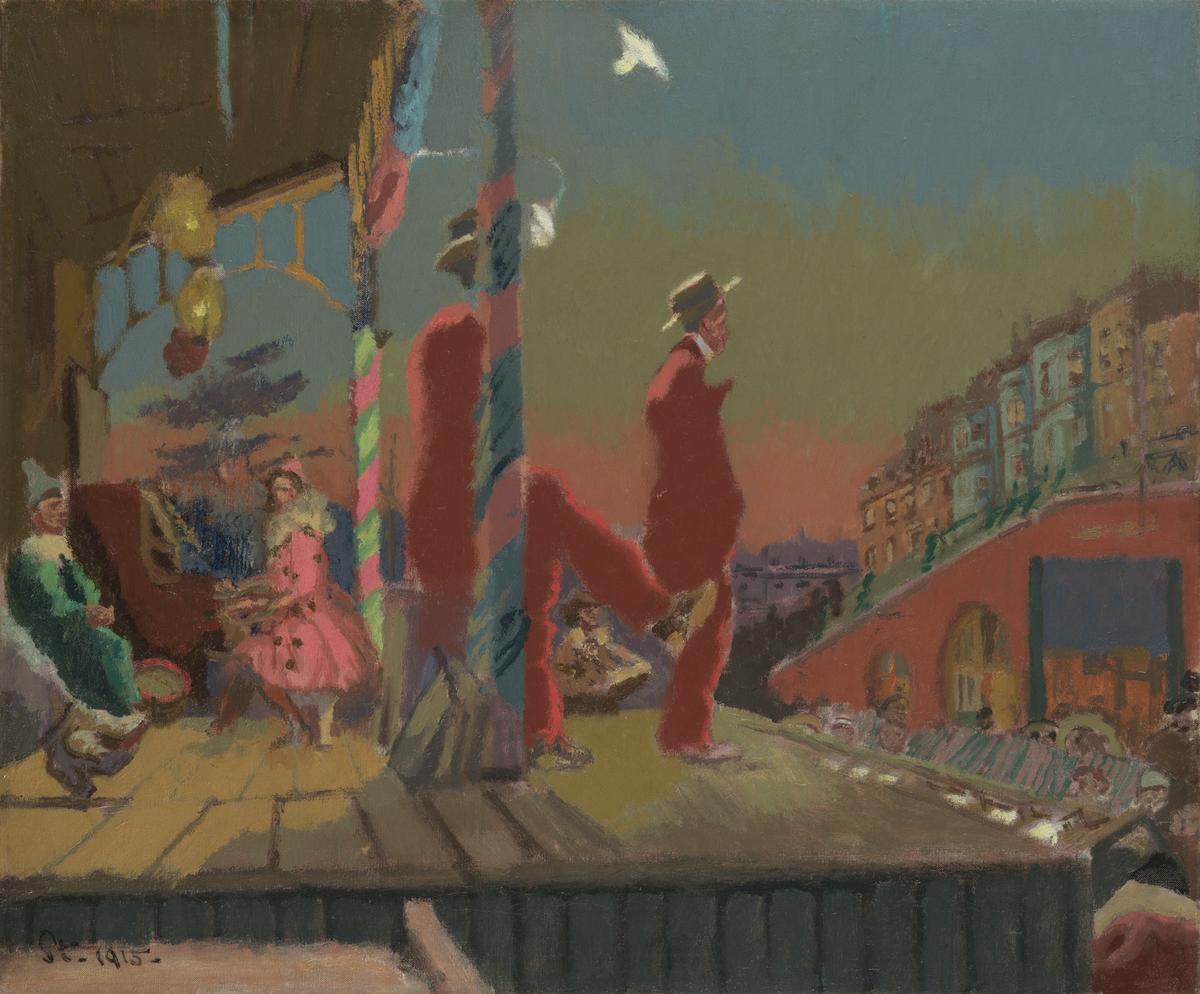
Brighton Pierrots 1915
License this image
In Tate Britain

Historic and Modern British Art

In Tate Britain

Prints and Drawings Rooms

5 artworks by Walter Richard Sickert
View by Appointment
In Tate Britain

Library and Archive Reading Rooms

View by Appointment
  • Artist biography
  • Wikipedia entry

Artist biography

Wikipedia entry

Walter Richard Sickert (31 May 1860 – 22 January 1942) was a German-born British painter and printmaker who was a member of the Camden Town Group of Post-Impressionist artists in early 20th-century London. He was an important influence on distinctively British styles of avant-garde art in the mid and late 20th century.

Sickert was a cosmopolitan and an eccentric who often favoured ordinary people and urban scenes as his subjects. His work includes portraits of well-known personalities and images derived from press photographs. He is considered a prominent figure in the transition from Impressionism to Modernism.

Decades after his death, several authors and researchers theorised that Sickert might have been the London-based serial killer Jack the Ripper, but the claim has largely been dismissed.

This biography is from Wikipedia under an Attribution-ShareAlike Creative Commons License. Spotted a problem? Let us know.

Read full Wikipedia entry
London Group New English Art Club Camden Town Group 1 more art term …

Artworks

Left Right

Queen Victoria and her great-grandson

Walter Richard Sickert
c.1936

George Moore

Walter Richard Sickert
1890–1

Café des Tribunaux, Dieppe

Walter Richard Sickert
c.1890

Despair

Walter Richard Sickert
c.1908–9
View by appointment

A Marengo

Walter Richard Sickert
c.1903–4

The Piazzetta and the Old Campanile, Venice

Walter Richard Sickert
c.1901

Ennui

Walter Richard Sickert
c.1914
On display at Tate Britain part of Historic and Modern British Art

Roquefort

Walter Richard Sickert
c.1919–20
See all 51

Artist as subject

Left Right

Walter Richard Sickert

Sylvia Gosse
1923–5

The Front at Hove (Turpe Senex Miles Turpe Senilis Amor)

Walter Richard Sickert
1930

The New English Art Club

Sir Max Beerbohm
1907

Sodales - Mr Steer and Mr Sickert

Henry Tonks
1930

The Servant of Abraham

Walter Richard Sickert
1929

Tea with Sickert

Ethel Sands
c.1911–12

Study for ‘He Knew Degas’

William Roberts
c.1938
View by appointment

Stories

List

Five Things to Know about Walter Sickert

Sketches, letters, etc.

Drawing of Christine Angus Sickert

Walter Richard Sickert
date not known
View by appointment

Drawing of the market with house and covered transport, Dieppe

Walter Richard Sickert
date not known
View by appointment

Letter from Walter Sickert to Ethel Sands, addressed Café de Rouen, Albert Gilles, Dieppe

Walter Richard Sickert, recipient: Ethel Sands
1914
View by appointment

Letter from Walter Sickert to Ethel Sands, addressed London County Council, Westminster Technical Institute

Walter Richard Sickert, recipient: Ethel Sands
[c.December 1915]
View by appointment
See all 219

Related art terms

London Group New English Art Club Camden Town Group British Impressionism

In the shop

Browse the shop
Artwork
Close

Join in

  • Twitter
  • Facebook
  • YouTube
  • Instagram
  • Pinterest
Sign up to emails

Sign up to emails

This site is protected by reCAPTCHA and the Google Privacy Policy and Terms of Service apply.

Tate’s privacy policy

About

  • About us
  • Our collection
  • Terms and copyright
  • Governance
  • Picture library
  • ARTIST ROOMS
  • Tate Kids

Support

  • Tate Collective
  • Members
  • Patrons
  • Donate
  • Corporate
  • My account
  • Press
  • Jobs
  • Accessibility
  • Privacy
  • Cookies
  • Contact
© The Board of Trustees of the Tate Gallery, 2026
All rights reserved