Skip navigation

Main menu

  • What's On
  • Visit
  • Art
    • Discover Art
    • Artists
    • Artworks
    • Stories
    Stories
    Stories

    Watch, listen and read

  • Learn
    • Schools
    • Tate Kids
    • Research
    • Activities and workshops
    Tate Kids
    Tate Kids

    Games, quizzes and films for kids

  • Shop
Become a Member
  • View All
  • Exhibitions And Displays
  • On Today
  • Events
  • Tate Modern
  • Tate Britain
  • Tate St Ives
  • Tate Liverpool
  • Tate Britain
    Tate Britain Free admission
  • Tate Modern
    Tate Modern Free admission
  • Tate Liverpool + RIBA North
    Tate Liverpool + RIBA North Free admission
  • Tate St Ives
    Tate St Ives Ticket or membership card required
  • Families
  • Accessibility
  • Schools
  • Private tours
  • Discover Art
  • Artists
  • Artworks
  • Stories
  • Schools
  • Tate Kids
  • Research
  • Activities and workshops
Tate home page

Try searching for...

  • A Bigger Splash
  • James McNeill Whistler
  • Julio Le Parc
  • Tate Britain Commission 2026
  • Tate Membership

DON'T MISS

Exhibition

Frida: The Making of an Icon

Tate Modern
Until 3 Jan 2027
FREE FOR MEMBERS
Exhibition

Hurvin Anderson

Tate Britain
Until 23 Aug 2026
FREE FOR MEMBERS
Become a Member

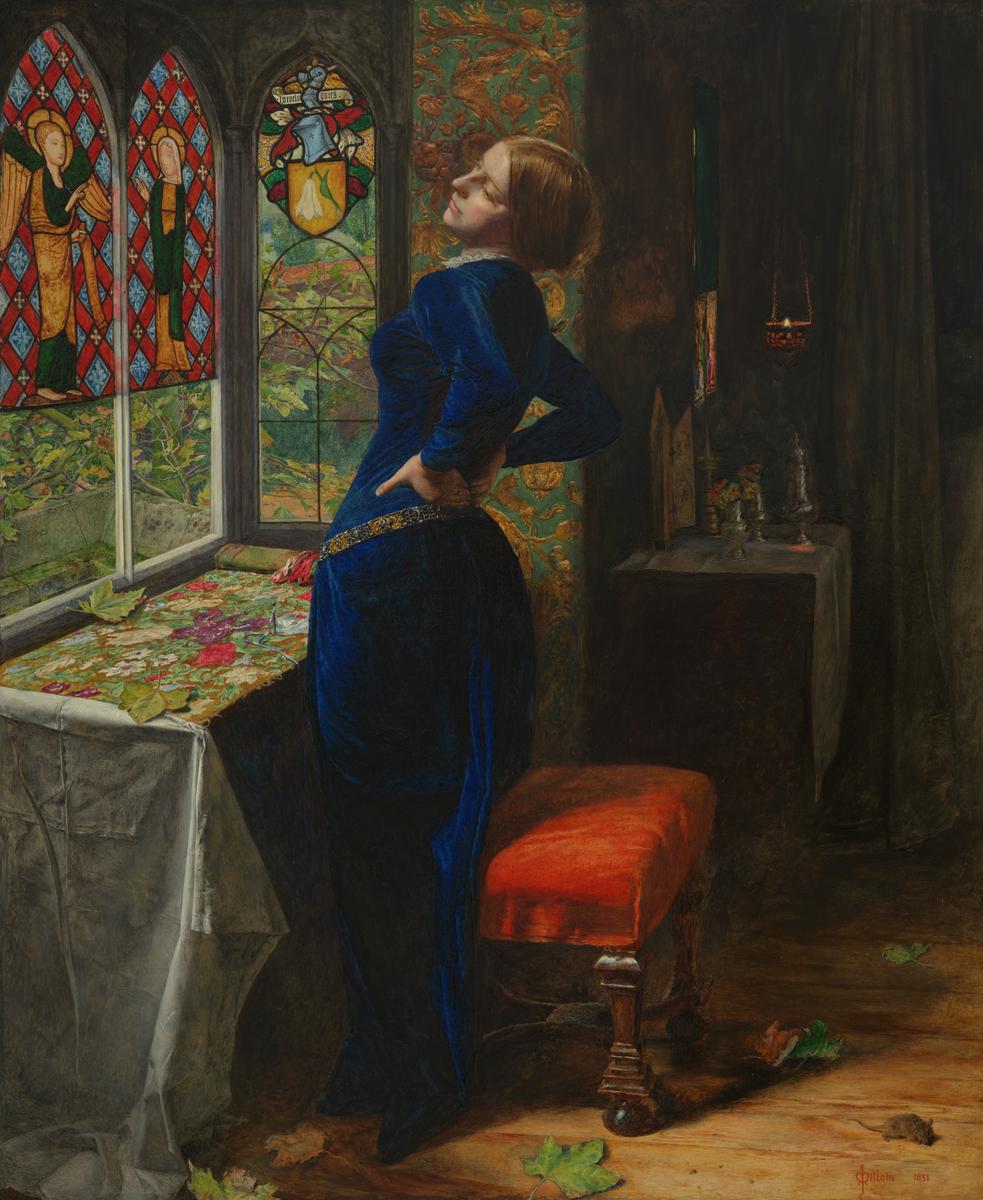
Sir John Everett Millais, Bt

1829–1896

Mariana 1851
License this image

Historic and Modern British Art

FREE

Prints and Drawings Rooms

33 artworks by Sir John Everett Millais
View by Appointment

Biography

Millais was born in Southampton, the son of John William Millais, a wealthy gentleman from an old Jersey family. His mother's family were prosperous saddlers. Considered a child prodigy, he came to London in 1838. He was sent to Sass's Art School, and won a silver medal at the Society of Arts at the age of nine. In 1840 he was admitted to the Royal Academy Schools as their youngest ever student, winning a silver medal in 1843 for drawing from the antique, and a gold medal in 1847 for his painting The Tribe of Benjamin Seizing the Daughters of Shiloh. He first exhibited at the Royal Academy in 1846, with Pizarro Seizing the Inca of Peru (Victoria and Albert Museum, London).

At the Royal Academy he became friendly with fellow student William Holman Hunt, and contributed with Hunt and Dante Gabriel Rossetti to the Cyclographic Society. In 1848 the three helped form the Pre-Raphaelite Brotherhood. His first Pre-Raphaelite painting was Isabella (1848-9, Walker Art Gallery, Liverpool), which he exhibited at the Royal Academy in 1849. His entry for the following year, Christ in the House of His Parents ('The Carpenter's Shop') (1849-50, Tate Gallery N03584), was received unfavourably.

In 1855 he married Effie Chalmers, Ruskin's former wife, with whom he had fallen in love while he was holidaying with the Ruskins in Scotland. The couple settled in Perth, where he painted Autumn Leaves (1855-6, City of Manchester Art Galleries).

Between 1855 and 1864 Millais made illustrations for numerous publications, including the Moxon edition of Tennyson's poems (1857), the magazine Once a Week (1859 onwards) and several novels by Trollope. He moved back to London in 1861, where he achieved popular success as a painter of child subjects such as Bubbles (1886, A. & F. Pears Ltd.), which became famous as an advertisement for Pears soap. Also popular were his paintings of beautiful young women, such as Stella (1868, Manchester City Art Gallery). He built up a practice as a portraitist from the early 1870s, his sitters including Thomas Carlyle (1877), Lillie Langtry (1878), Gladstone (1879 and 1885), Disraeli (1881) and Tennyson (1881).

Millais was made an Associate of the Royal Academy in 1853, and a full member in 1863. In 1885 he was created a baronet and in 1896 was elected President of the Royal Academy, but died shortly thereafter in London. He is buried in St Paul's Cathedral.

Further reading:
John Guille Millais, The Life and Letters of Sir John Everett Millais, 2 volumes, London 1899
Leslie Parris (ed.), The Pre-Raphaelites, exhibition catalogue, Tate Gallery, London 1984, reprinted 1994

Terry Riggs
January 1998

Read more

Victorian / Genre Pre-Raphaelite

Artworks

The Lost Sheep

Sir John Everett Millais, Bt
published 1864
View by appointment

The Pharisee and the Publican

Sir John Everett Millais, Bt
published 1864
View by appointment

The Wise Virgins

Sir John Everett Millais, Bt
published 1864
View by appointment

The Unjust Judge and the Importunate Widow

Sir John Everett Millais, Bt
published 1864
View by appointment

The Leaven

Sir John Everett Millais, Bt
published 1864
View by appointment

The Rich Man and Lazarus

Sir John Everett Millais, Bt
published 1864
View by appointment

The Labourers in the Vineyard

Sir John Everett Millais, Bt
published 1864
View by appointment

The Marriage Feast

Sir John Everett Millais, Bt
published 1864
View by appointment
See all 64

Artist as subject

British Stock and Alien Inspiration, 1849

Sir Max Beerbohm
1917

A Momentary Vision that Once Befell Young Millais

Sir Max Beerbohm
1916
View by appointment

The Artist Attending the Mourning of a Young Girl

Sir John Everett Millais, Bt
c.1847

Sir John Everett Millais

Sir Thomas Brock
1904

Stories

read

Were the Pre-Raphaelites Britain’s first modern artists?

read

Why were the Pre-Raphaelites so shocking?

watch

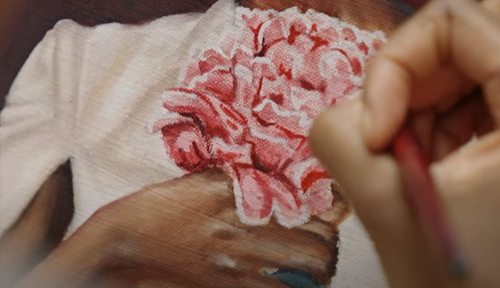
How to Paint a Flower like a Pre-Raphaelite

read

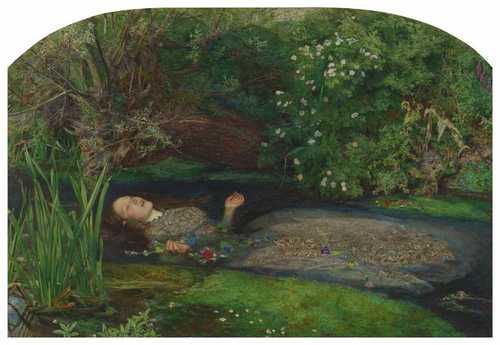
The Story of Ophelia

watch

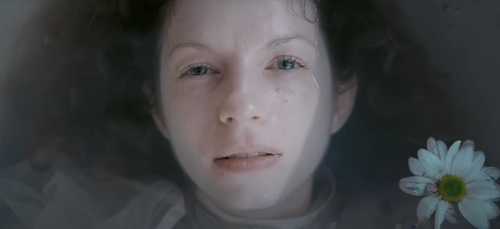
The Real Ophelia

read

A Turning Leaf

Alexandra Harris

read

Details, Details: John Everett Millais’s Dew-Drenched Furze 1889–90

Matthew Pottage

In the shop

Browse the shop
Artwork
Close

Join in

  • Twitter
  • Facebook
  • YouTube
  • Instagram
  • Pinterest

Sign up to emails

This site is protected by reCAPTCHA and the Google Privacy Policy and Terms of Service apply.

Tate’s privacy policy

About

  • About us
  • Our collection
  • Terms and copyright
  • Governance
  • Picture library
  • ARTIST ROOMS
  • Tate Kids

Support

  • Tate Collective
  • Members
  • Patrons
  • Donate
  • Corporate
  • My account
  • Press
  • Jobs
  • Accessibility
  • Privacy
  • Cookies
  • Contact
© The Board of Trustees of the Tate Gallery, 2026
All rights reserved