

Chris Steele-Perkins, Blackpool Beach 1980–9. Tate. © Chris Steele-Perkins.
14 rooms in Modern and Contemporary British Art
‘I found myself returning to the public rituals that we employ in the pursuit of happiness. For there we display our identity; as we would like it to be. There we make signals to each other about who we are, and about what we believe in.’
In 1980, against a backdrop of rapid political and cultural change, Chris Steele-Perkins began a decade-long project photographing England through the lens of pleasure. Travelling the country, he documented the distinctive customs, traditions and activities that shape national identity.
Steele-Perkins was born in 1947 to an English father and a Burmese mother in Yangon, Myanmar. He came to Britain aged two and was raised in the predominantly white town of Burnham-on-Sea, Somerset. Later he recalled feeling alienated by this, saying: ‘I was aware of being different and not being English.’
He joined the Magnum Photos agency in 1979, working as a photojournalist in remote areas and conflict zones. The ‘kaleidoscope of experiences’ he encountered abroad made him re-examine his relationship to England. He found a new ‘appreciation for those qualities of Englishness I had not properly realised I valued’. But he also felt a growing distaste for ‘the chauvinism that narrows horizons and twists perspectives’.
The dissonant chorus of individuals, communities and cultures brought together in The Pleasure Principle is testament to Steele-Perkins’ enduring fascination with English identity. Years later, reflecting on the series, he wrote: ‘The national character is in flux, evolving as it ever has done, and we should cherish this, not fear it.’
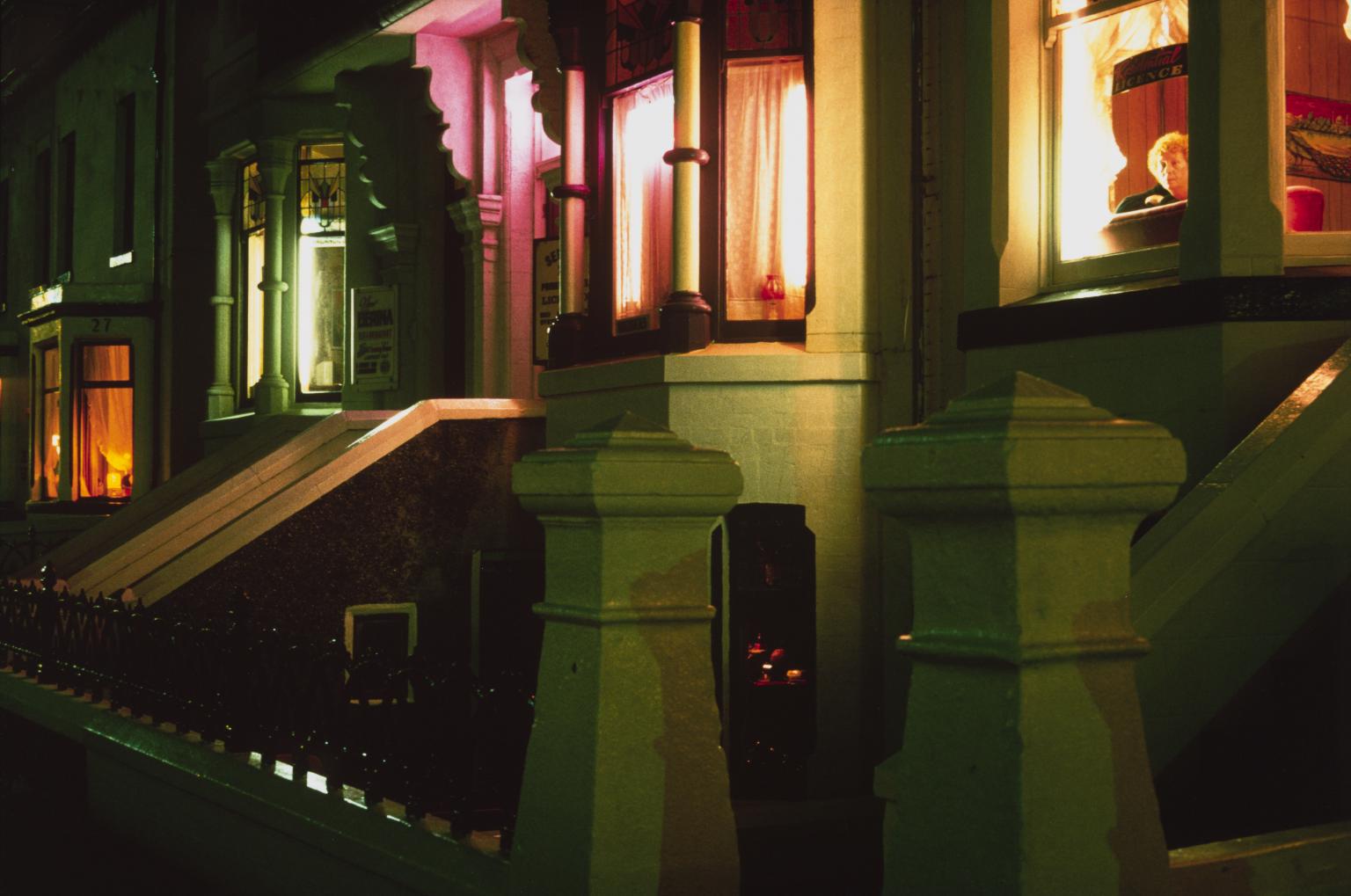
Chris Steele-Perkins, Boarding Houses, Blackpool 1980–9
The Pleasure Principle 1980–9 is a set of forty-four colour cibachrome photographic prints depicting scenes of leisure and enjoyment in Britain in the 1980s. The subjects of the photographs range from youth culture and sport to political associations and countryside hobbies. The collection also includes a portrait of then Prime Minister Margaret Thatcher. In each case, Steele-Perkins highlighted what he considered to be specifically ‘British’ pursuits and activities, prompting a reflection on the state of British society. Returning to England after spending time photographing abroad, Steele-Perkins experienced a kind of culture shock. He has described how:
1/28
artworks in Chris Steele-Perkins
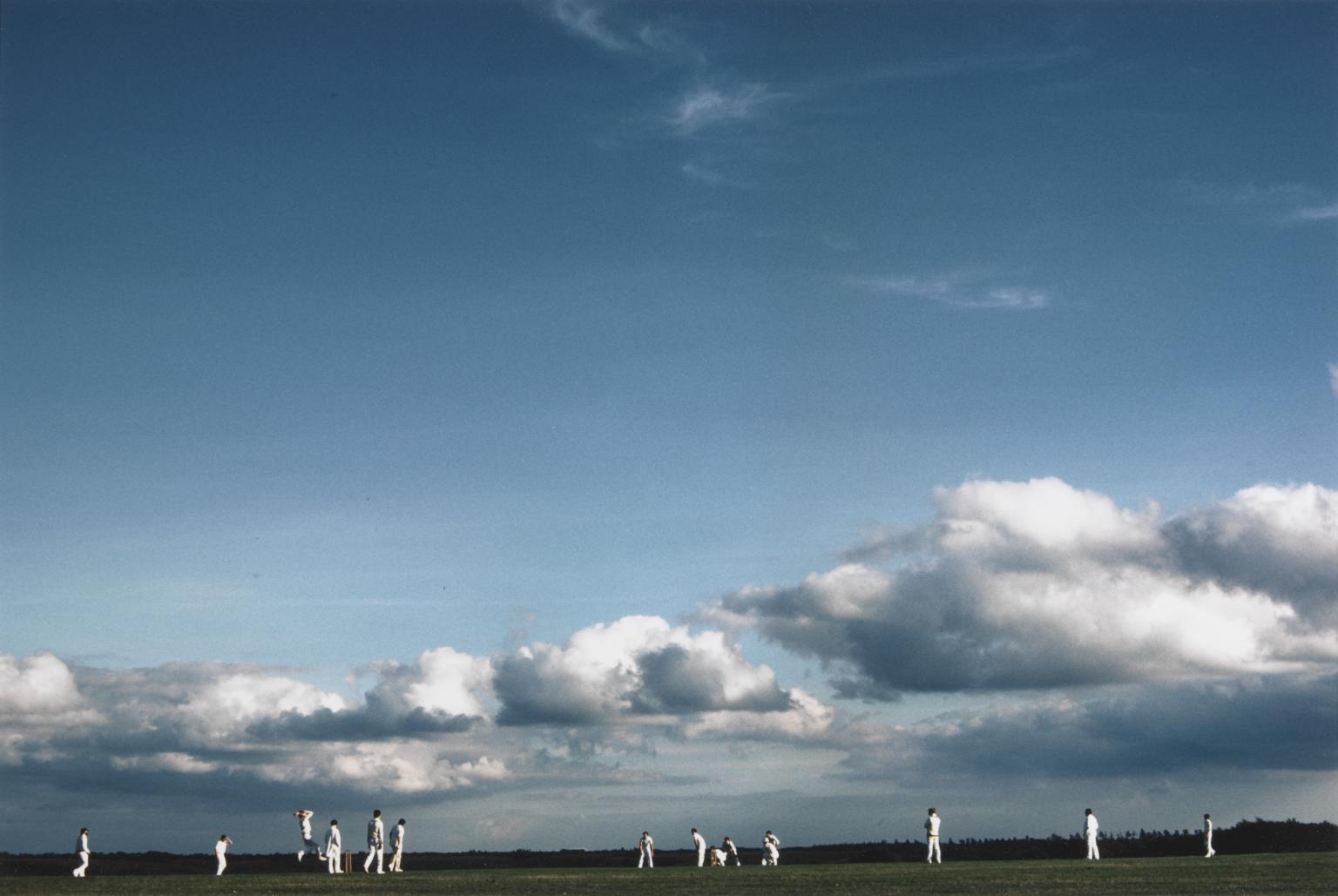
Chris Steele-Perkins, Cricket Match, Hampshire 1980–9
The Pleasure Principle 1980–9 is a set of forty-four colour cibachrome photographic prints depicting scenes of leisure and enjoyment in Britain in the 1980s. The subjects of the photographs range from youth culture and sport to political associations and countryside hobbies. The collection also includes a portrait of then Prime Minister Margaret Thatcher. In each case, Steele-Perkins highlighted what he considered to be specifically ‘British’ pursuits and activities, prompting a reflection on the state of British society. Returning to England after spending time photographing abroad, Steele-Perkins experienced a kind of culture shock. He has described how:
2/28
artworks in Chris Steele-Perkins
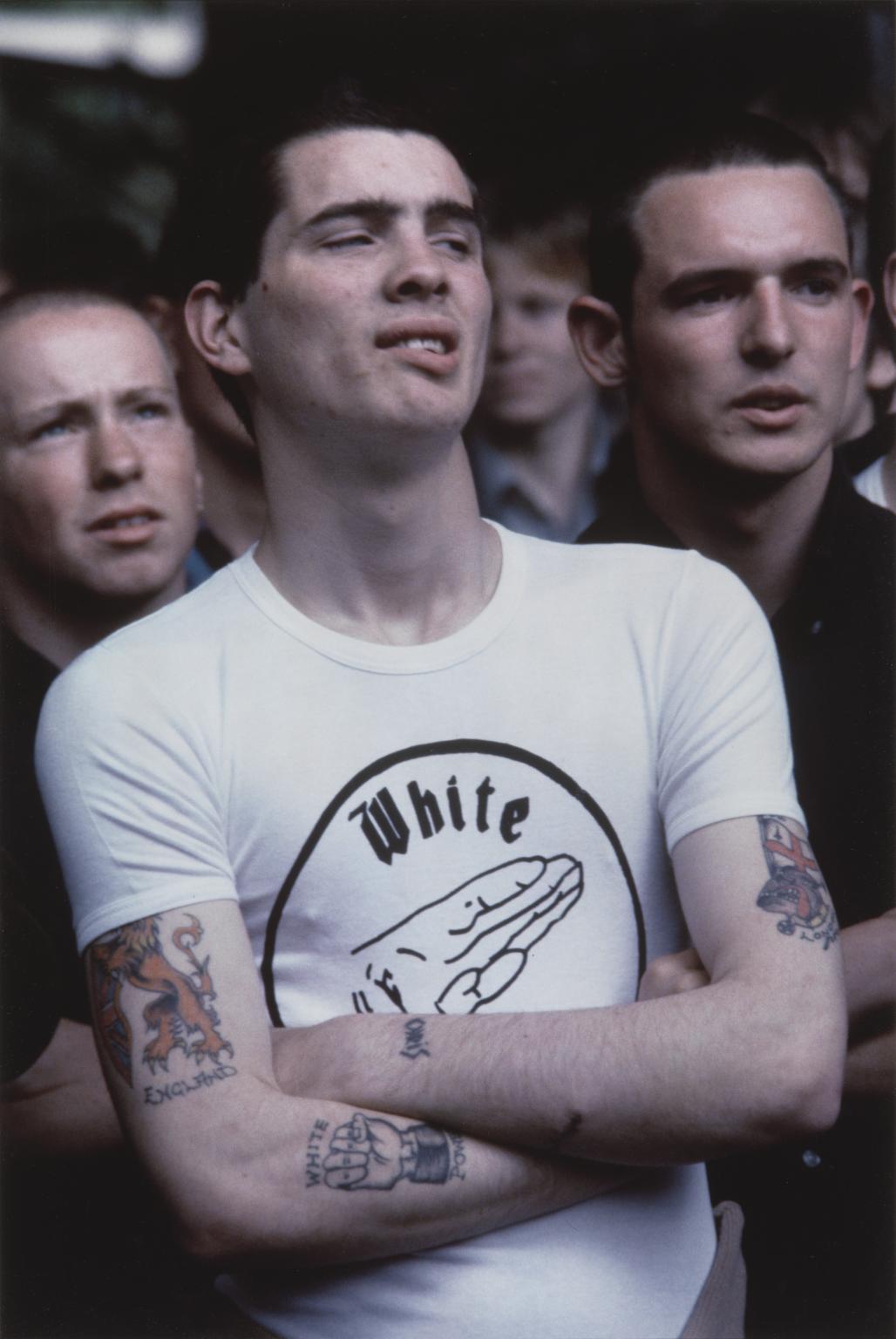
Chris Steele-Perkins, British Movement Demonstration, London 1980–9
The Pleasure Principle 1980–9 is a set of forty-four colour cibachrome photographic prints depicting scenes of leisure and enjoyment in Britain in the 1980s. The subjects of the photographs range from youth culture and sport to political associations and countryside hobbies. The collection also includes a portrait of then Prime Minister Margaret Thatcher. In each case, Steele-Perkins highlighted what he considered to be specifically ‘British’ pursuits and activities, prompting a reflection on the state of British society. Returning to England after spending time photographing abroad, Steele-Perkins experienced a kind of culture shock. He has described how:
3/28
artworks in Chris Steele-Perkins
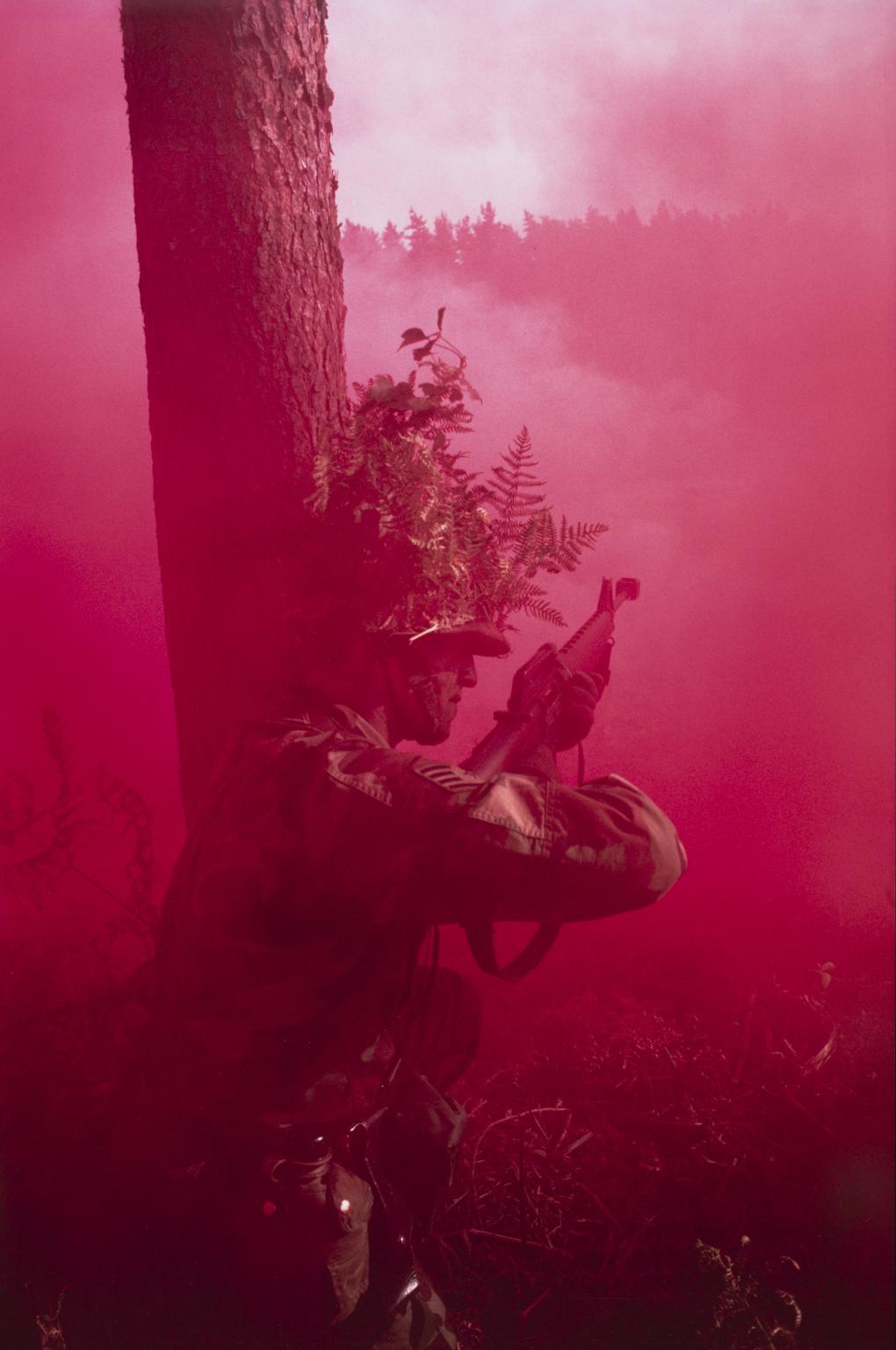
Chris Steele-Perkins, Territorial Army Practice Repelling a Soviet Invasion 1980–9
The Pleasure Principle 1980–9 is a set of forty-four colour cibachrome photographic prints depicting scenes of leisure and enjoyment in Britain in the 1980s. The subjects of the photographs range from youth culture and sport to political associations and countryside hobbies. The collection also includes a portrait of then Prime Minister Margaret Thatcher. In each case, Steele-Perkins highlighted what he considered to be specifically ‘British’ pursuits and activities, prompting a reflection on the state of British society. Returning to England after spending time photographing abroad, Steele-Perkins experienced a kind of culture shock. He has described how:
4/28
artworks in Chris Steele-Perkins
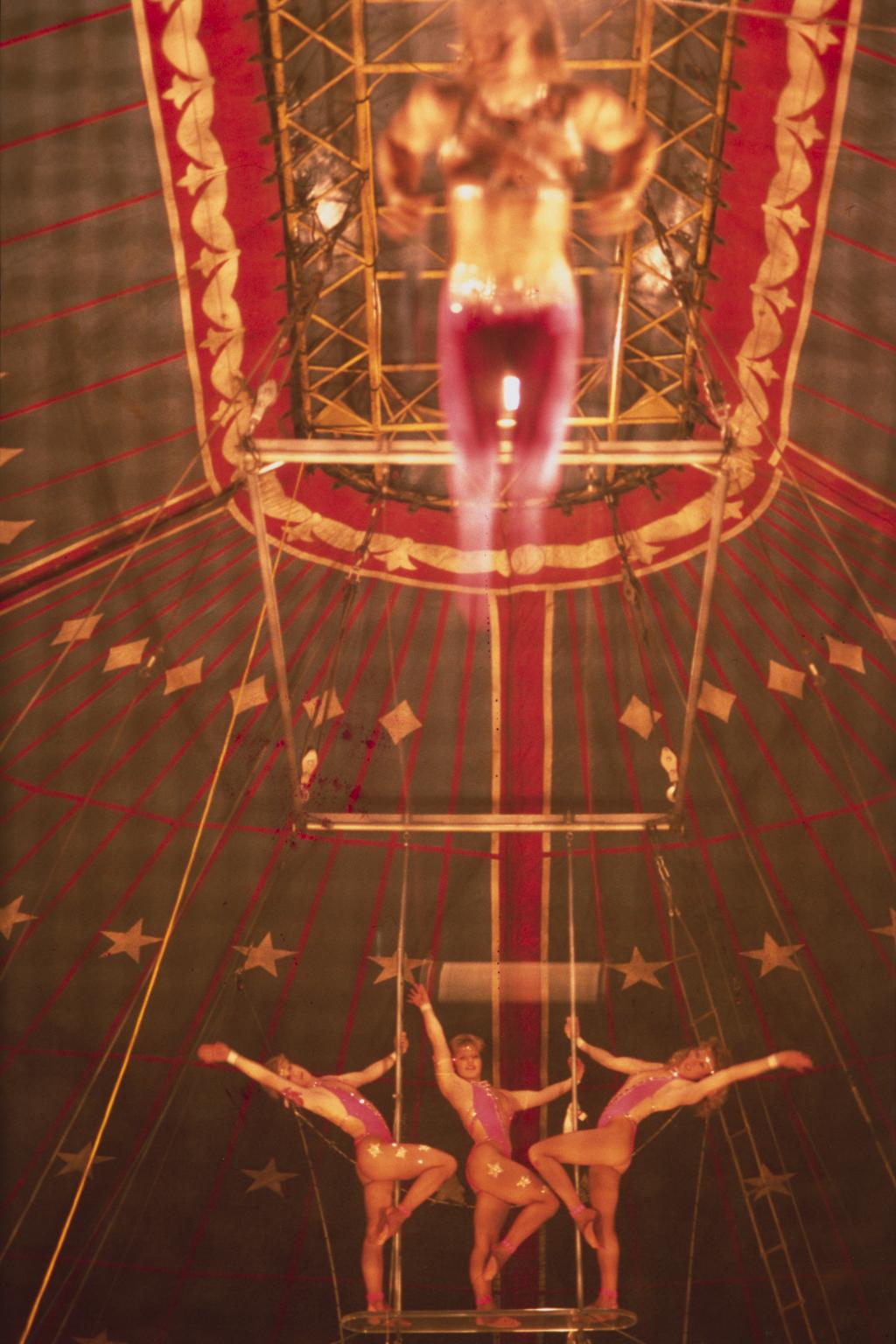
Chris Steele-Perkins, Circus Acrobats at Crystal Palace 1980–9
The Pleasure Principle 1980–9 is a set of forty-four colour cibachrome photographic prints depicting scenes of leisure and enjoyment in Britain in the 1980s. The subjects of the photographs range from youth culture and sport to political associations and countryside hobbies. The collection also includes a portrait of then Prime Minister Margaret Thatcher. In each case, Steele-Perkins highlighted what he considered to be specifically ‘British’ pursuits and activities, prompting a reflection on the state of British society. Returning to England after spending time photographing abroad, Steele-Perkins experienced a kind of culture shock. He has described how:
5/28
artworks in Chris Steele-Perkins
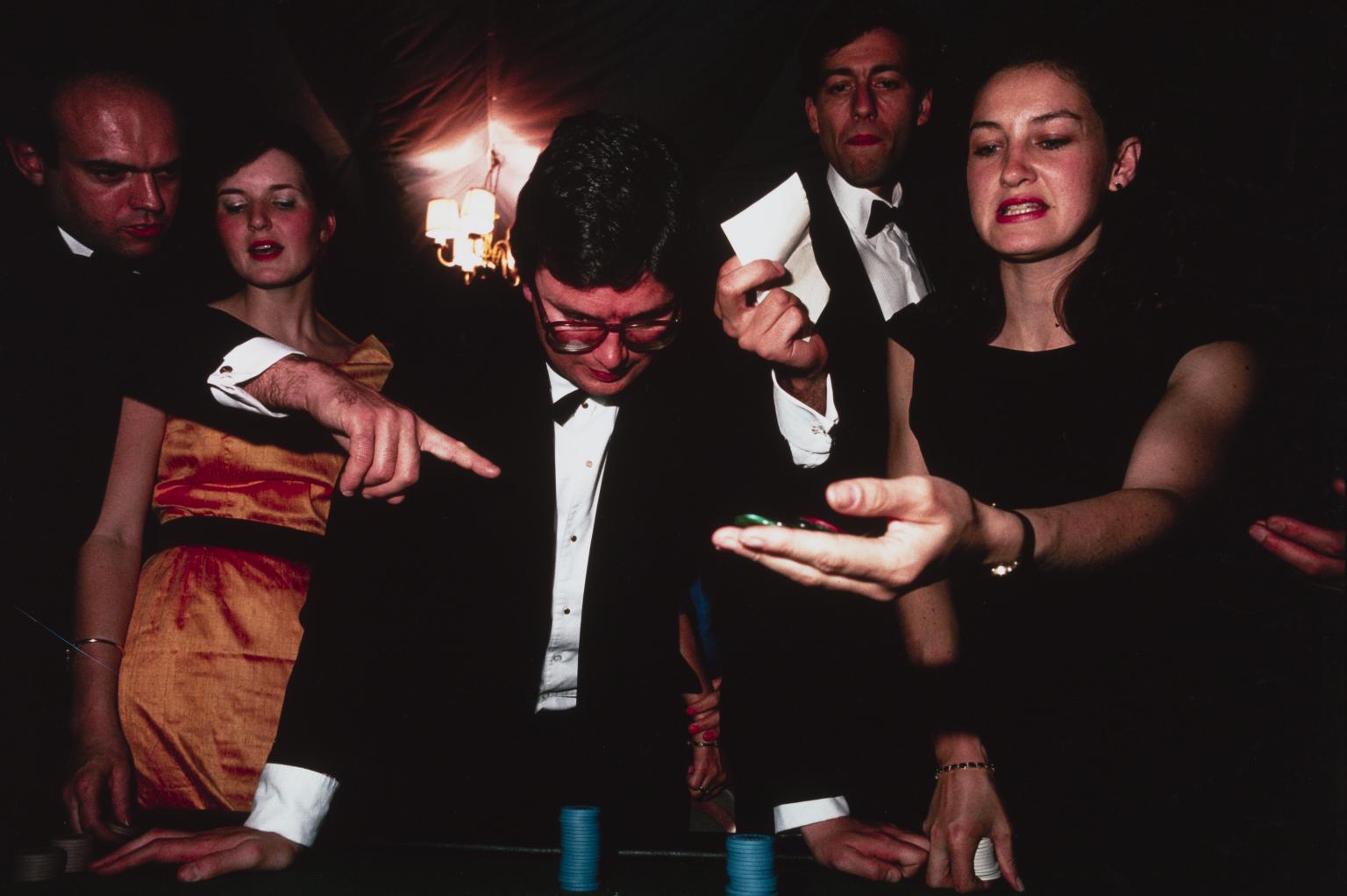
Chris Steele-Perkins, Juliana’s Summer Party, London 1980–9
The Pleasure Principle 1980–9 is a set of forty-four colour cibachrome photographic prints depicting scenes of leisure and enjoyment in Britain in the 1980s. The subjects of the photographs range from youth culture and sport to political associations and countryside hobbies. The collection also includes a portrait of then Prime Minister Margaret Thatcher. In each case, Steele-Perkins highlighted what he considered to be specifically ‘British’ pursuits and activities, prompting a reflection on the state of British society. Returning to England after spending time photographing abroad, Steele-Perkins experienced a kind of culture shock. He has described how:
6/28
artworks in Chris Steele-Perkins
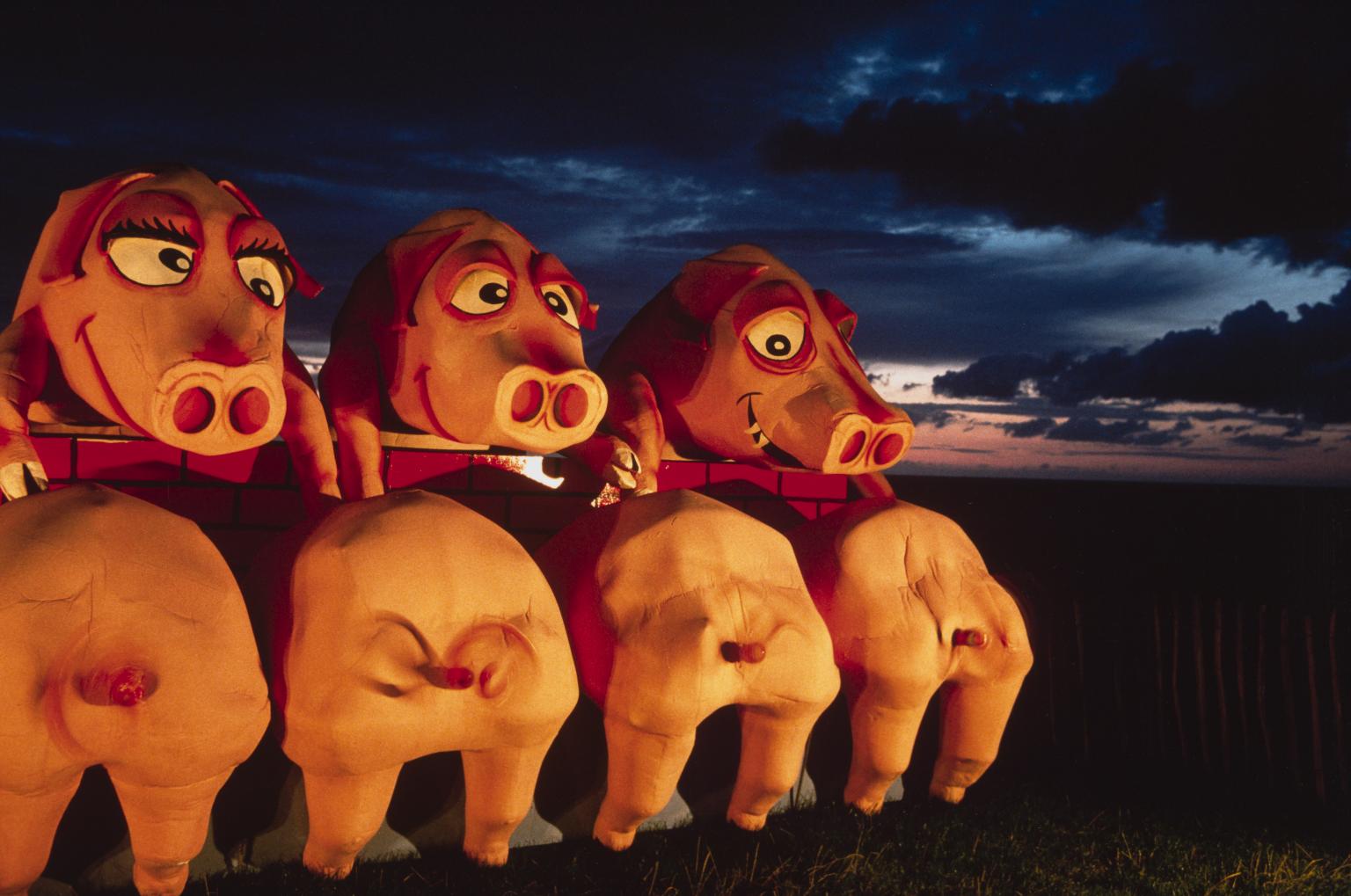
Chris Steele-Perkins, Tableau of Emmerdale Farm, Blackpool 1980–9
The Pleasure Principle 1980–9 is a set of forty-four colour cibachrome photographic prints depicting scenes of leisure and enjoyment in Britain in the 1980s. The subjects of the photographs range from youth culture and sport to political associations and countryside hobbies. The collection also includes a portrait of then Prime Minister Margaret Thatcher. In each case, Steele-Perkins highlighted what he considered to be specifically ‘British’ pursuits and activities, prompting a reflection on the state of British society. Returning to England after spending time photographing abroad, Steele-Perkins experienced a kind of culture shock. He has described how:
7/28
artworks in Chris Steele-Perkins
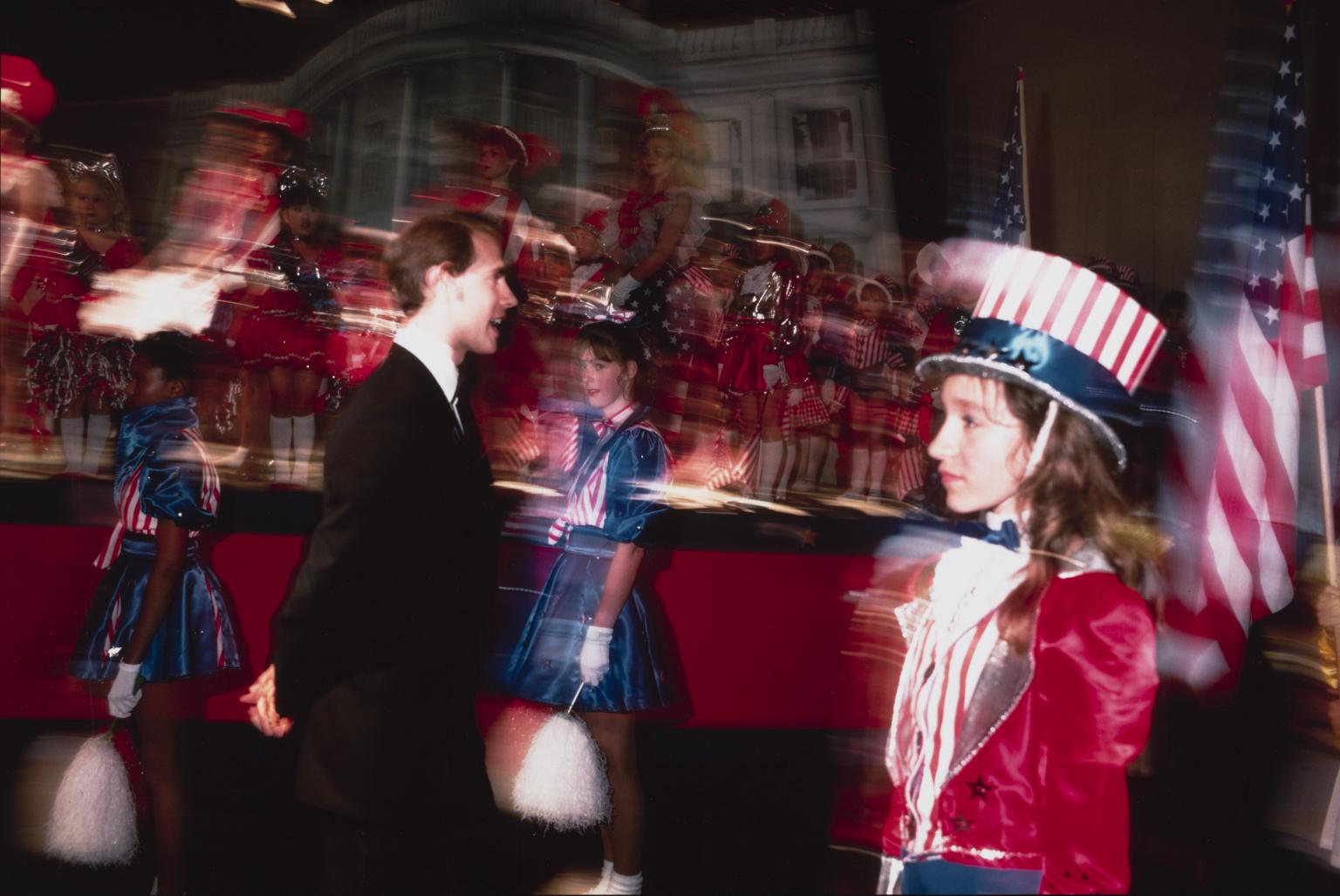
Chris Steele-Perkins, Prince Edward at Berkeley Square Ball 1980–9
The Pleasure Principle 1980–9 is a set of forty-four colour cibachrome photographic prints depicting scenes of leisure and enjoyment in Britain in the 1980s. The subjects of the photographs range from youth culture and sport to political associations and countryside hobbies. The collection also includes a portrait of then Prime Minister Margaret Thatcher. In each case, Steele-Perkins highlighted what he considered to be specifically ‘British’ pursuits and activities, prompting a reflection on the state of British society. Returning to England after spending time photographing abroad, Steele-Perkins experienced a kind of culture shock. He has described how:
8/28
artworks in Chris Steele-Perkins
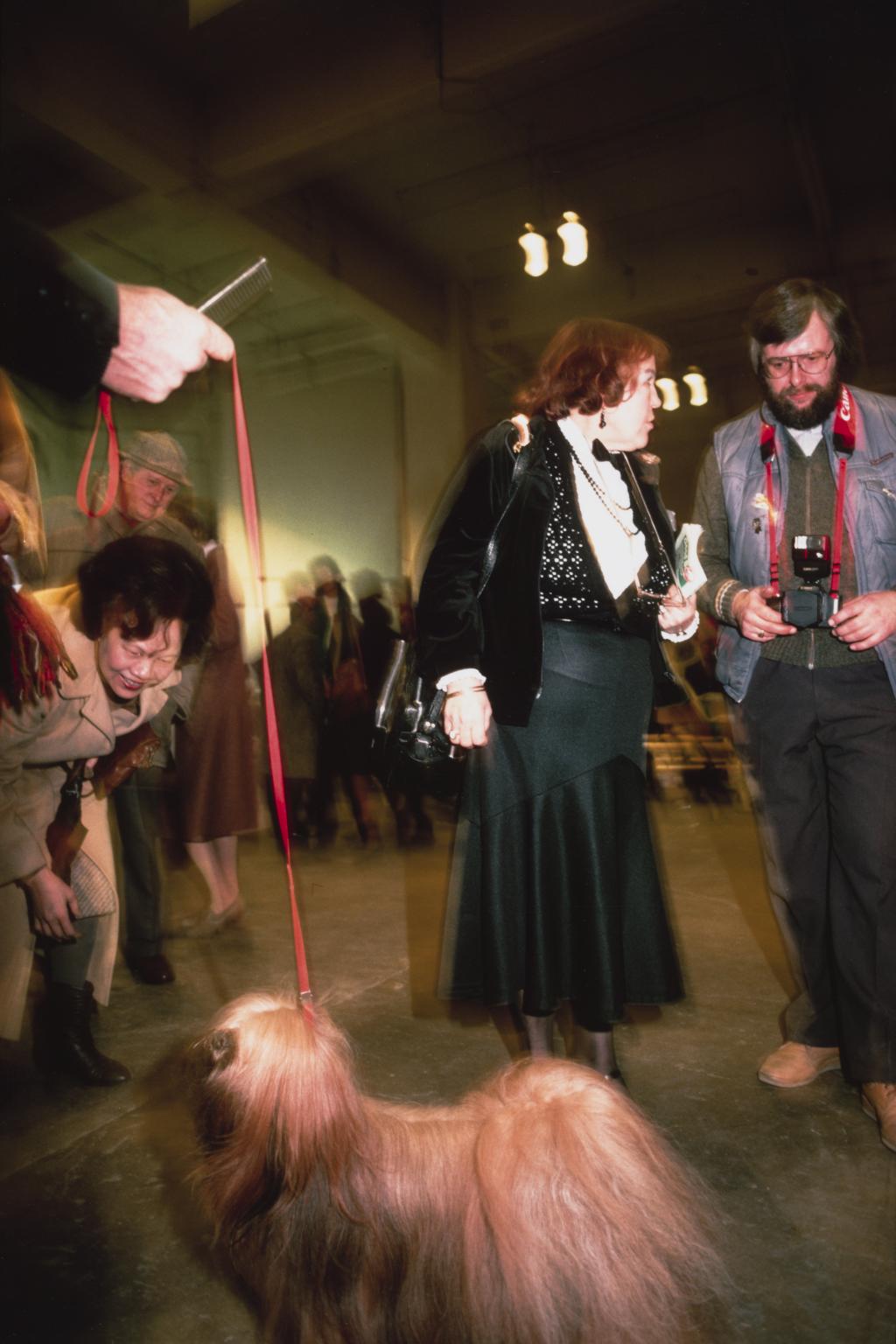
Chris Steele-Perkins, Crufts Dog Show 1980–9
The Pleasure Principle 1980–9 is a set of forty-four colour cibachrome photographic prints depicting scenes of leisure and enjoyment in Britain in the 1980s. The subjects of the photographs range from youth culture and sport to political associations and countryside hobbies. The collection also includes a portrait of then Prime Minister Margaret Thatcher. In each case, Steele-Perkins highlighted what he considered to be specifically ‘British’ pursuits and activities, prompting a reflection on the state of British society. Returning to England after spending time photographing abroad, Steele-Perkins experienced a kind of culture shock. He has described how:
9/28
artworks in Chris Steele-Perkins
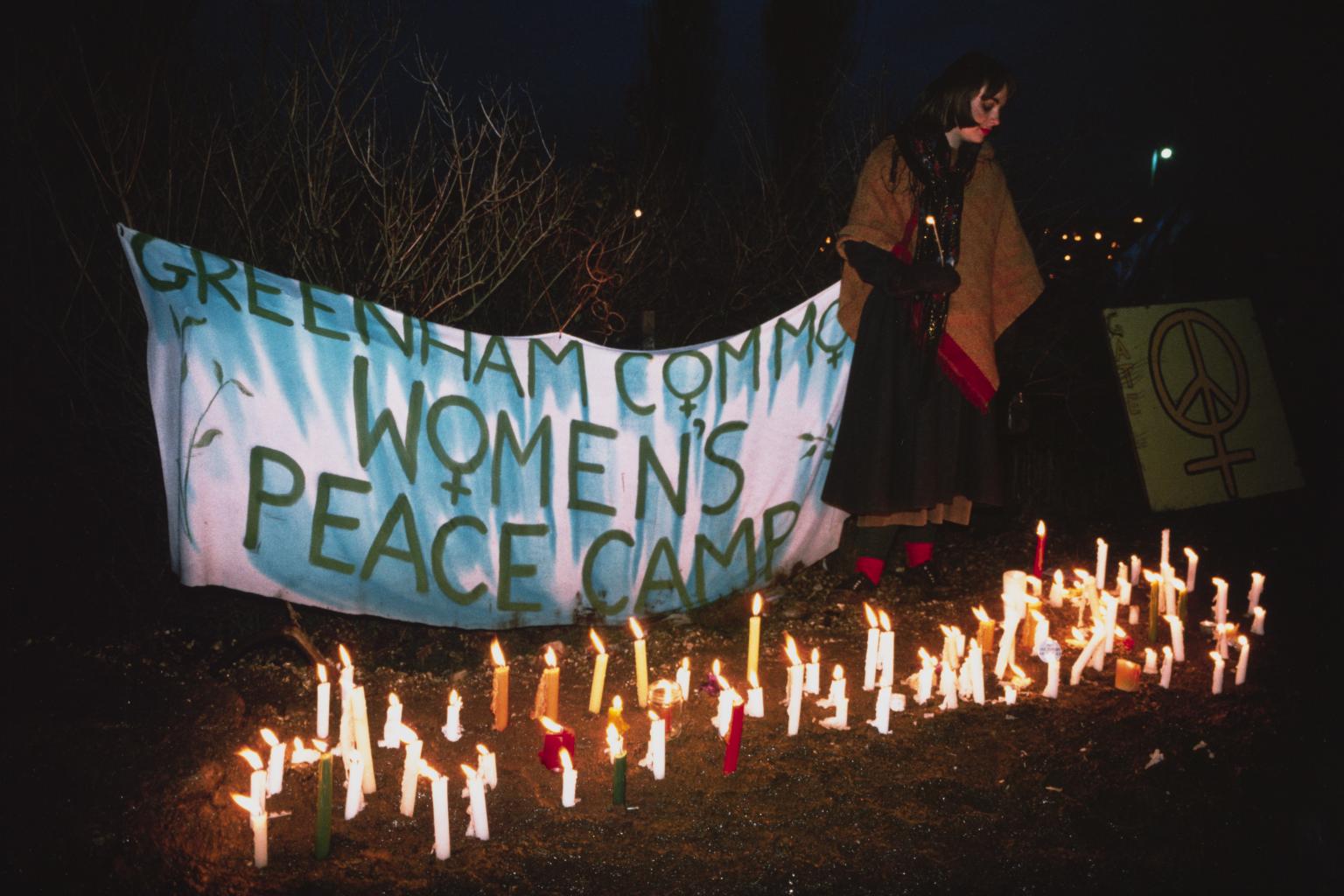
Chris Steele-Perkins, Anti-nuclear Missile Demonstration at Greenham Common 1980–9
The Pleasure Principle 1980–9 is a set of forty-four colour cibachrome photographic prints depicting scenes of leisure and enjoyment in Britain in the 1980s. The subjects of the photographs range from youth culture and sport to political associations and countryside hobbies. The collection also includes a portrait of then Prime Minister Margaret Thatcher. In each case, Steele-Perkins highlighted what he considered to be specifically ‘British’ pursuits and activities, prompting a reflection on the state of British society. Returning to England after spending time photographing abroad, Steele-Perkins experienced a kind of culture shock. He has described how:
10/28
artworks in Chris Steele-Perkins
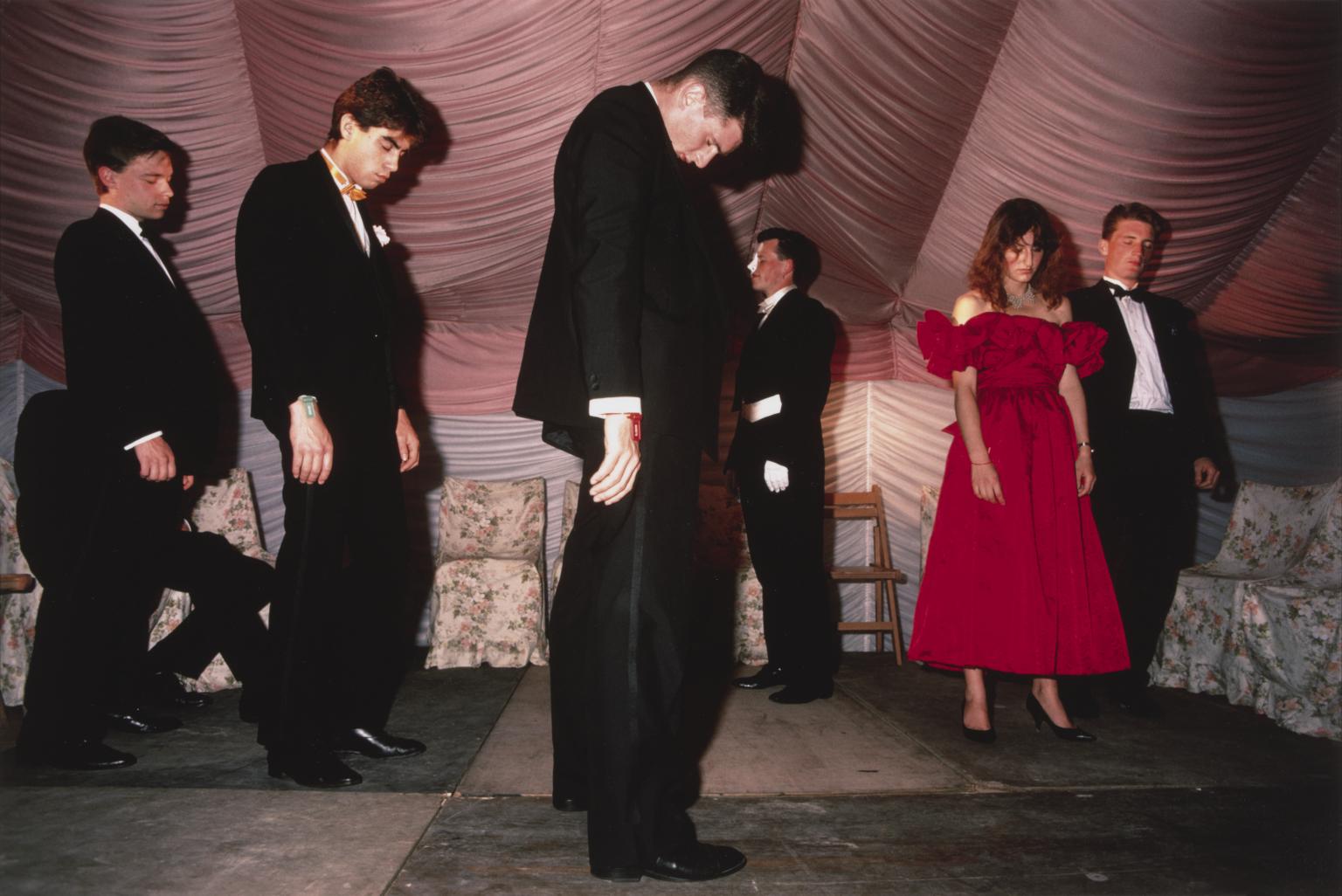
Chris Steele-Perkins, Hypnosis Demonstration, Cambridge University Ball 1980–9
The Pleasure Principle 1980–9 is a set of forty-four colour cibachrome photographic prints depicting scenes of leisure and enjoyment in Britain in the 1980s. The subjects of the photographs range from youth culture and sport to political associations and countryside hobbies. The collection also includes a portrait of then Prime Minister Margaret Thatcher. In each case, Steele-Perkins highlighted what he considered to be specifically ‘British’ pursuits and activities, prompting a reflection on the state of British society. Returning to England after spending time photographing abroad, Steele-Perkins experienced a kind of culture shock. He has described how:
11/28
artworks in Chris Steele-Perkins
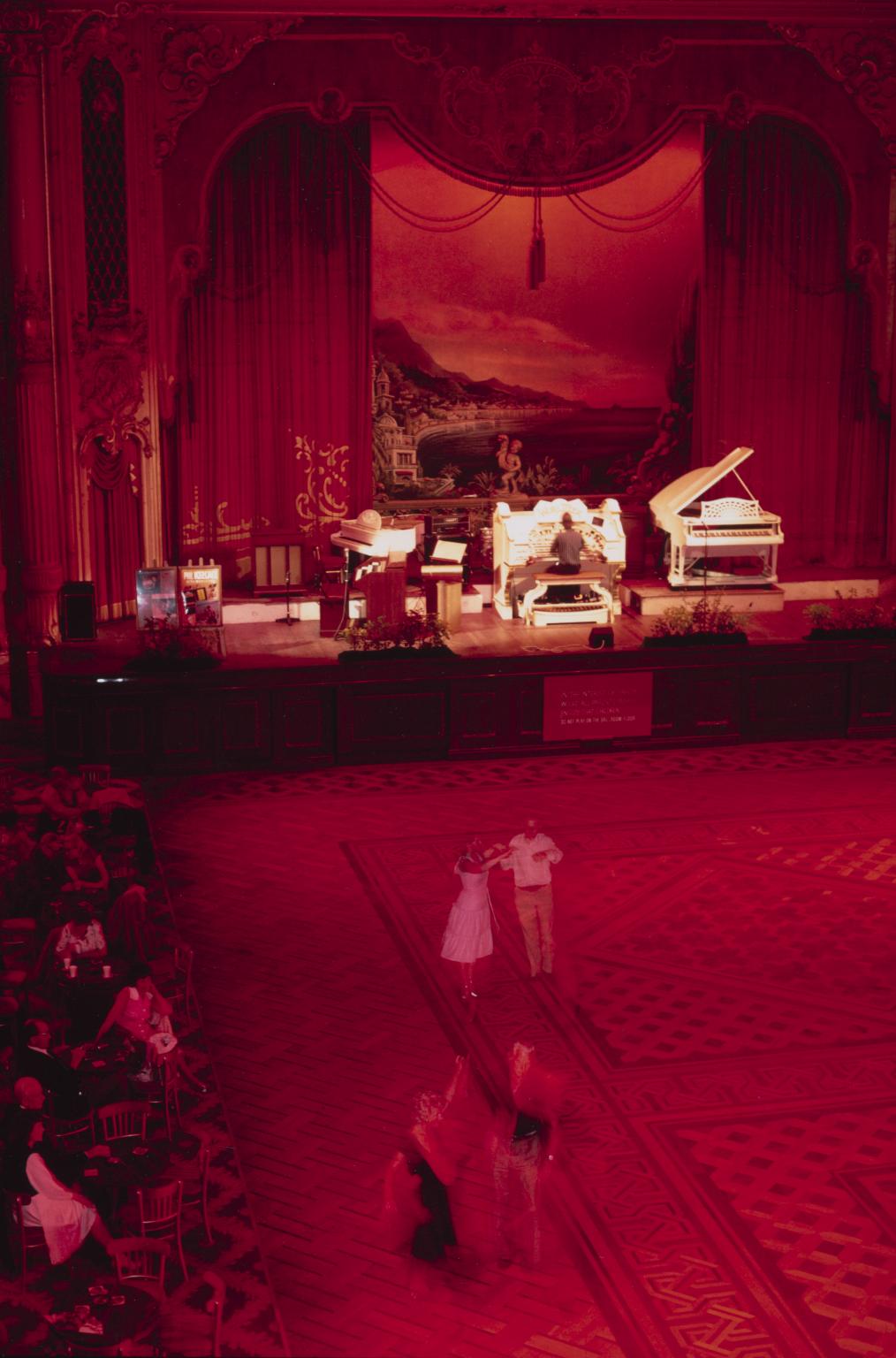
Chris Steele-Perkins, Ballroom Dancing, Blackpool 1980–9
The Pleasure Principle 1980–9 is a set of forty-four colour cibachrome photographic prints depicting scenes of leisure and enjoyment in Britain in the 1980s. The subjects of the photographs range from youth culture and sport to political associations and countryside hobbies. The collection also includes a portrait of then Prime Minister Margaret Thatcher. In each case, Steele-Perkins highlighted what he considered to be specifically ‘British’ pursuits and activities, prompting a reflection on the state of British society. Returning to England after spending time photographing abroad, Steele-Perkins experienced a kind of culture shock. He has described how:
12/28
artworks in Chris Steele-Perkins
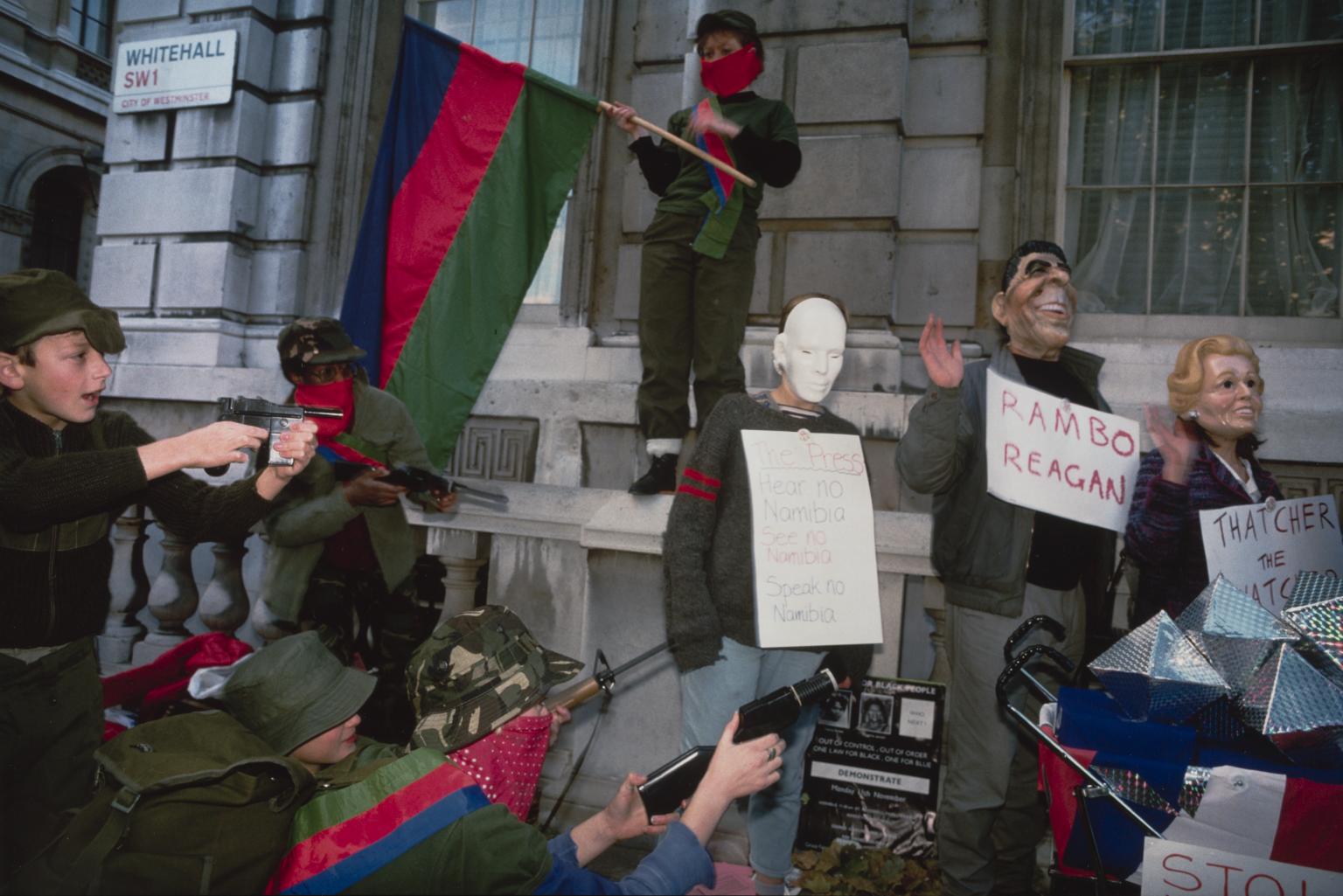
Chris Steele-Perkins, Anti-apartheid Street Theater, London 1980–9
The Pleasure Principle 1980–9 is a set of forty-four colour cibachrome photographic prints depicting scenes of leisure and enjoyment in Britain in the 1980s. The subjects of the photographs range from youth culture and sport to political associations and countryside hobbies. The collection also includes a portrait of then Prime Minister Margaret Thatcher. In each case, Steele-Perkins highlighted what he considered to be specifically ‘British’ pursuits and activities, prompting a reflection on the state of British society. Returning to England after spending time photographing abroad, Steele-Perkins experienced a kind of culture shock. He has described how:
13/28
artworks in Chris Steele-Perkins
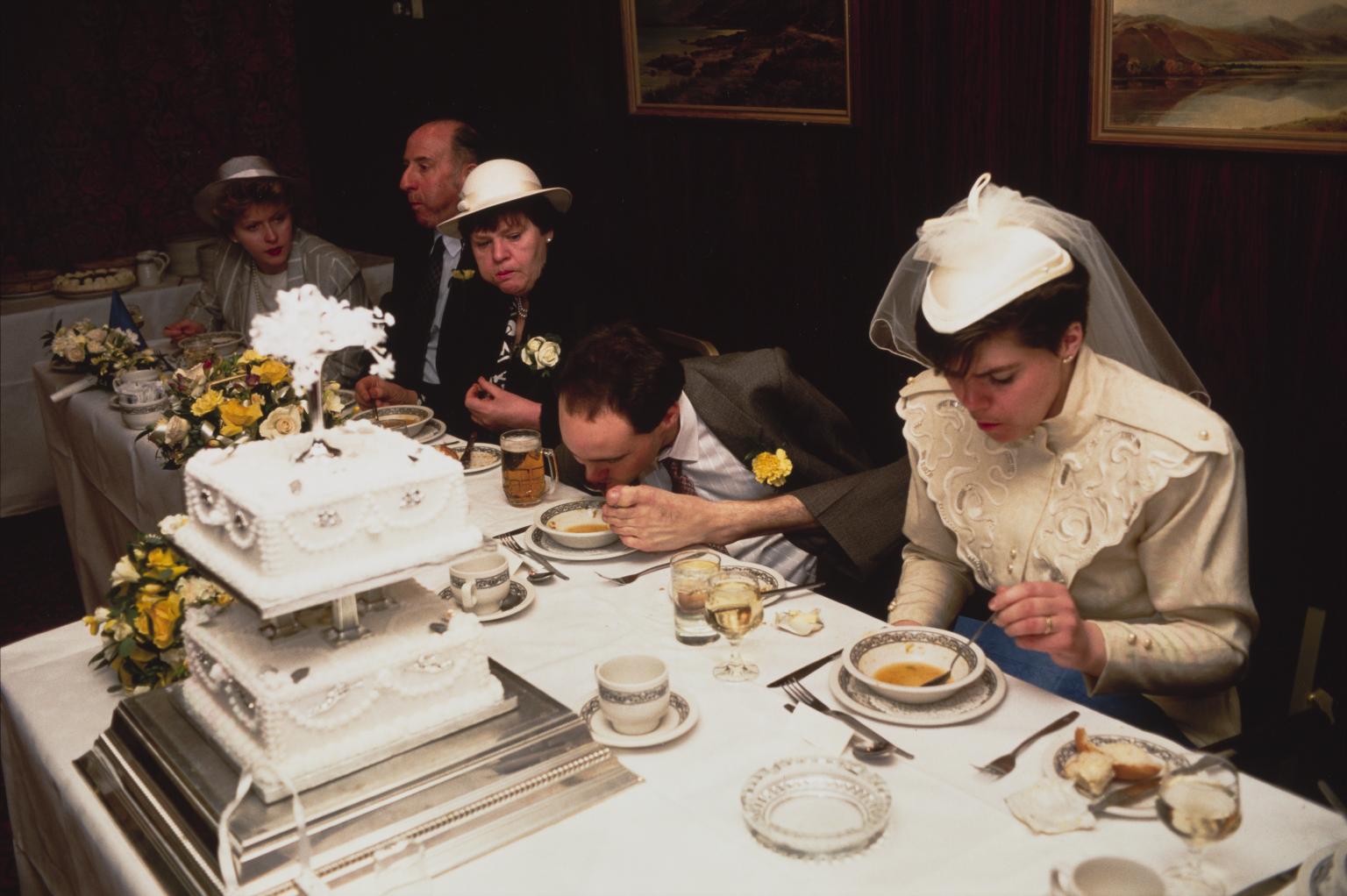
Chris Steele-Perkins, Wedding Reception for Thalidomide Victim 1980–9
The Pleasure Principle 1980–9 is a set of forty-four colour cibachrome photographic prints depicting scenes of leisure and enjoyment in Britain in the 1980s. The subjects of the photographs range from youth culture and sport to political associations and countryside hobbies. The collection also includes a portrait of then Prime Minister Margaret Thatcher. In each case, Steele-Perkins highlighted what he considered to be specifically ‘British’ pursuits and activities, prompting a reflection on the state of British society. Returning to England after spending time photographing abroad, Steele-Perkins experienced a kind of culture shock. He has described how:
14/28
artworks in Chris Steele-Perkins
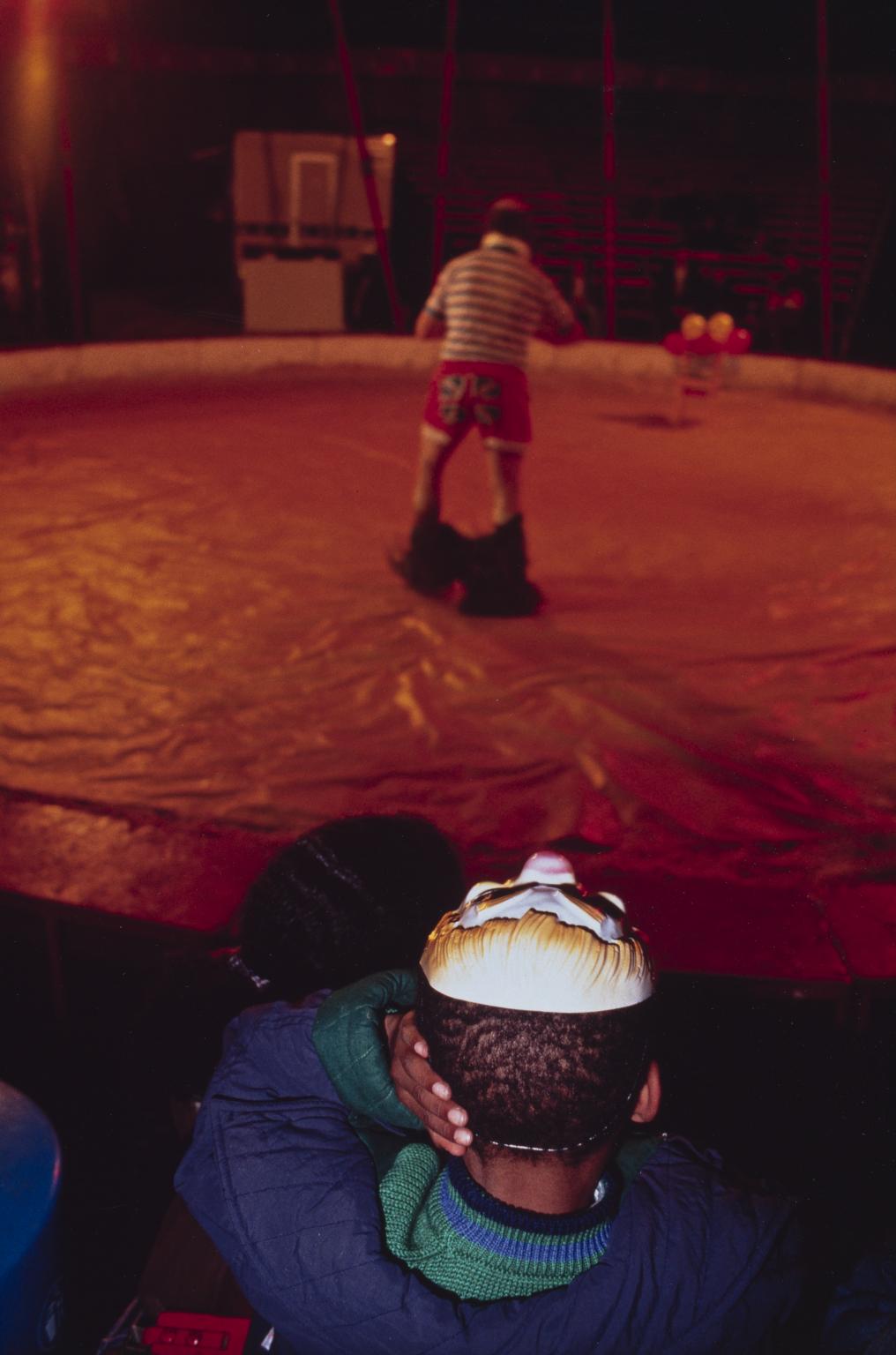
Chris Steele-Perkins, Circus Clown Drops his Trousers 1980–9
The Pleasure Principle 1980–9 is a set of forty-four colour cibachrome photographic prints depicting scenes of leisure and enjoyment in Britain in the 1980s. The subjects of the photographs range from youth culture and sport to political associations and countryside hobbies. The collection also includes a portrait of then Prime Minister Margaret Thatcher. In each case, Steele-Perkins highlighted what he considered to be specifically ‘British’ pursuits and activities, prompting a reflection on the state of British society. Returning to England after spending time photographing abroad, Steele-Perkins experienced a kind of culture shock. He has described how:
15/28
artworks in Chris Steele-Perkins
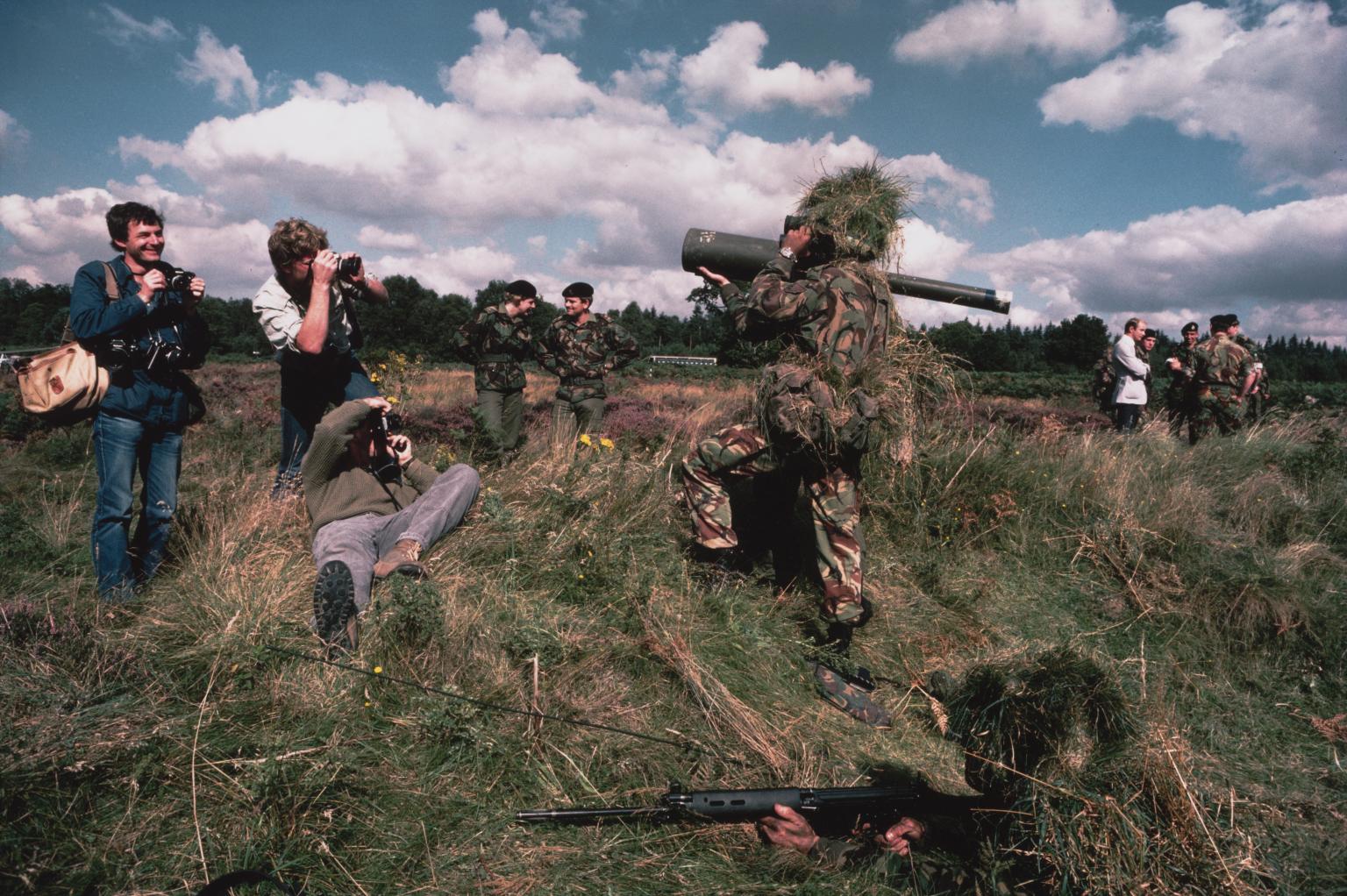
Chris Steele-Perkins, Photo-opportunity During Territorial Army Exercise 1980–9
The Pleasure Principle 1980–9 is a set of forty-four colour cibachrome photographic prints depicting scenes of leisure and enjoyment in Britain in the 1980s. The subjects of the photographs range from youth culture and sport to political associations and countryside hobbies. The collection also includes a portrait of then Prime Minister Margaret Thatcher. In each case, Steele-Perkins highlighted what he considered to be specifically ‘British’ pursuits and activities, prompting a reflection on the state of British society. Returning to England after spending time photographing abroad, Steele-Perkins experienced a kind of culture shock. He has described how:
16/28
artworks in Chris Steele-Perkins
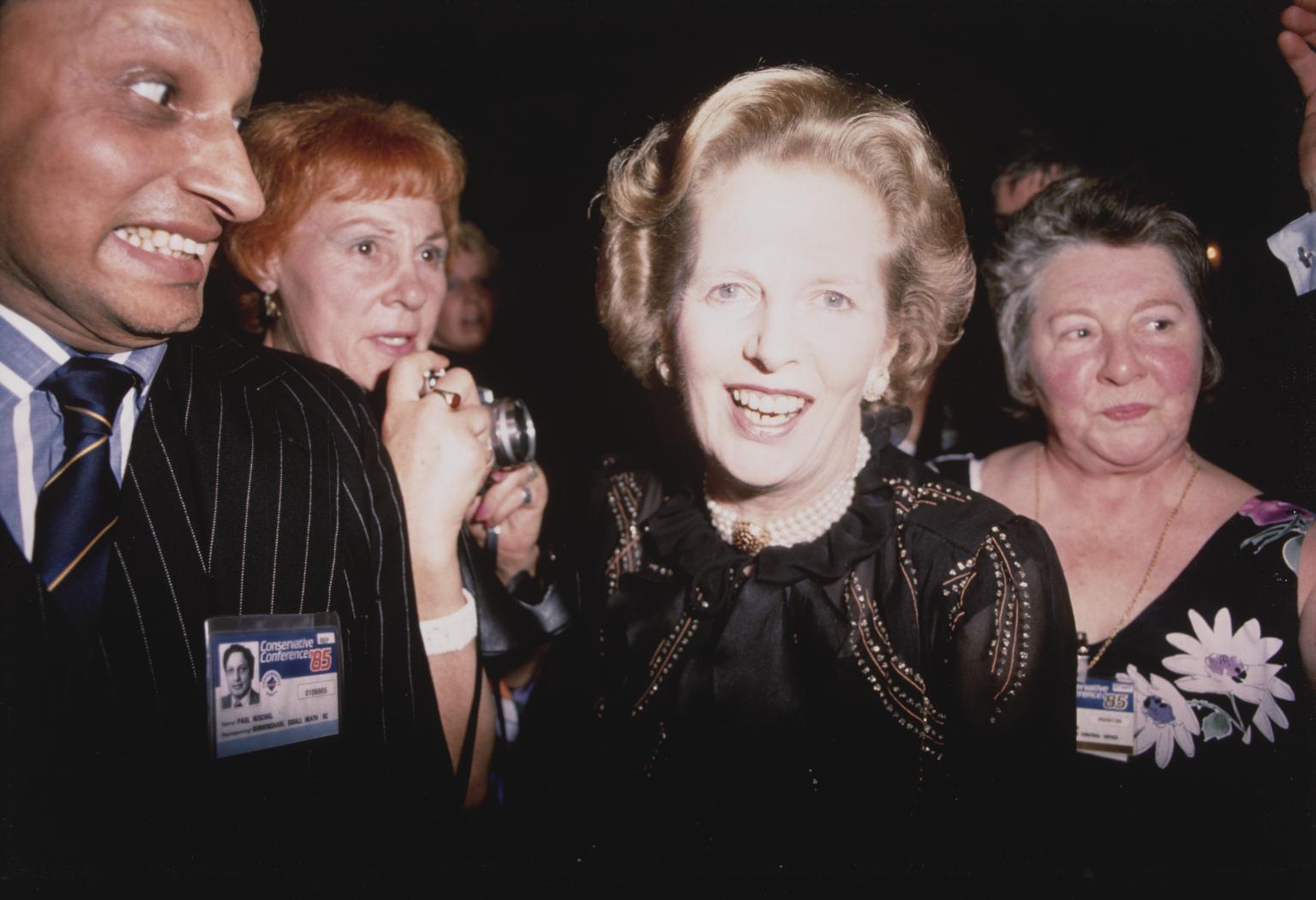
Chris Steele-Perkins, Prime Minister Margaret Thatcher and Admirers at Conservative Party Conference 1980–9
The Pleasure Principle 1980–9 is a set of forty-four colour cibachrome photographic prints depicting scenes of leisure and enjoyment in Britain in the 1980s. The subjects of the photographs range from youth culture and sport to political associations and countryside hobbies. The collection also includes a portrait of then Prime Minister Margaret Thatcher. In each case, Steele-Perkins highlighted what he considered to be specifically ‘British’ pursuits and activities, prompting a reflection on the state of British society. Returning to England after spending time photographing abroad, Steele-Perkins experienced a kind of culture shock. He has described how:
17/28
artworks in Chris Steele-Perkins
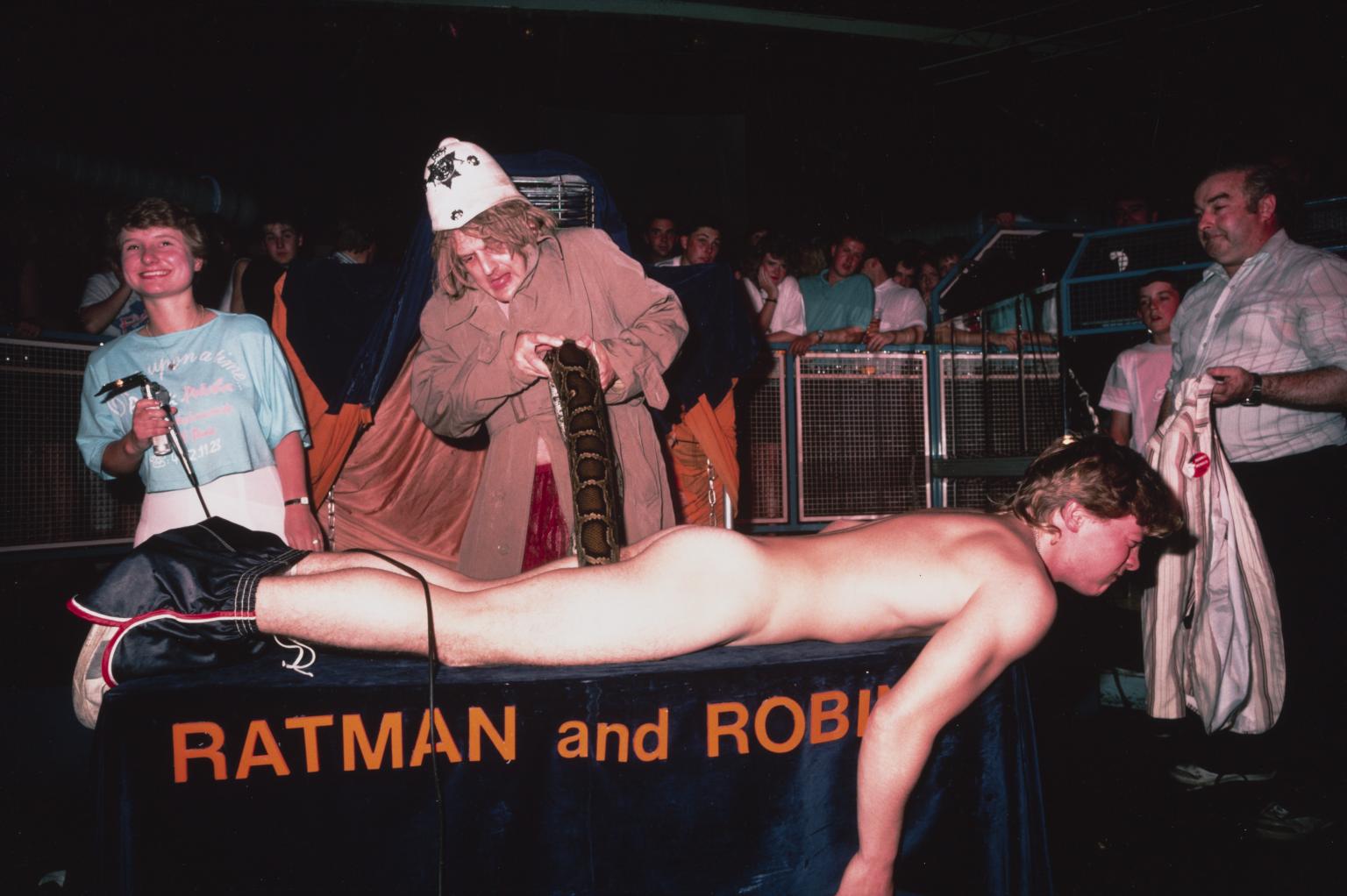
Chris Steele-Perkins, Alternative Cabaret Act in Disco, Dartford 1980–9
The Pleasure Principle 1980–9 is a set of forty-four colour cibachrome photographic prints depicting scenes of leisure and enjoyment in Britain in the 1980s. The subjects of the photographs range from youth culture and sport to political associations and countryside hobbies. The collection also includes a portrait of then Prime Minister Margaret Thatcher. In each case, Steele-Perkins highlighted what he considered to be specifically ‘British’ pursuits and activities, prompting a reflection on the state of British society. Returning to England after spending time photographing abroad, Steele-Perkins experienced a kind of culture shock. He has described how:
18/28
artworks in Chris Steele-Perkins
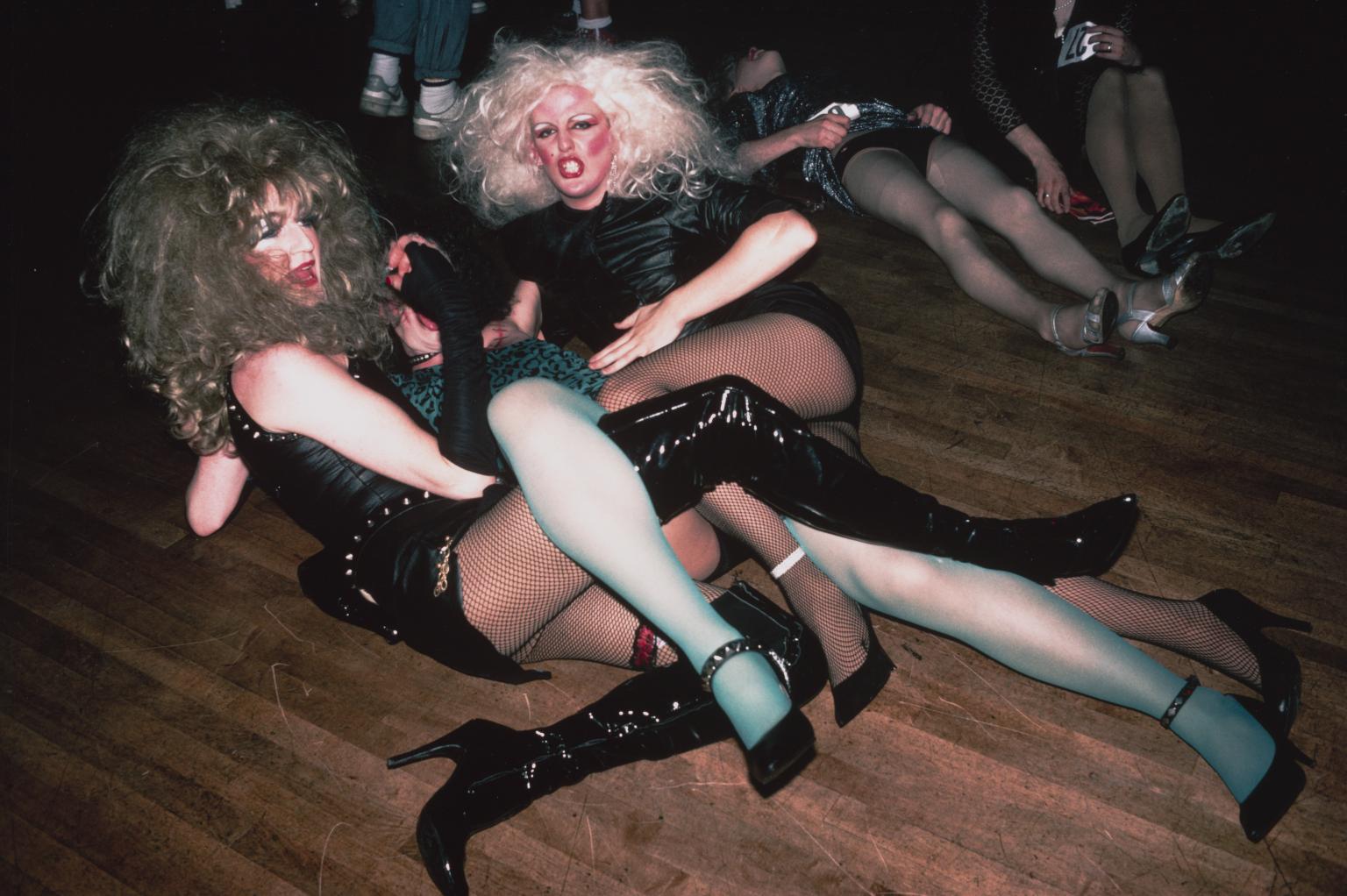
Chris Steele-Perkins, Drag Ball, London 1980–9
The Pleasure Principle 1980–9 is a set of forty-four colour cibachrome photographic prints depicting scenes of leisure and enjoyment in Britain in the 1980s. The subjects of the photographs range from youth culture and sport to political associations and countryside hobbies. The collection also includes a portrait of then Prime Minister Margaret Thatcher. In each case, Steele-Perkins highlighted what he considered to be specifically ‘British’ pursuits and activities, prompting a reflection on the state of British society. Returning to England after spending time photographing abroad, Steele-Perkins experienced a kind of culture shock. He has described how:
19/28
artworks in Chris Steele-Perkins
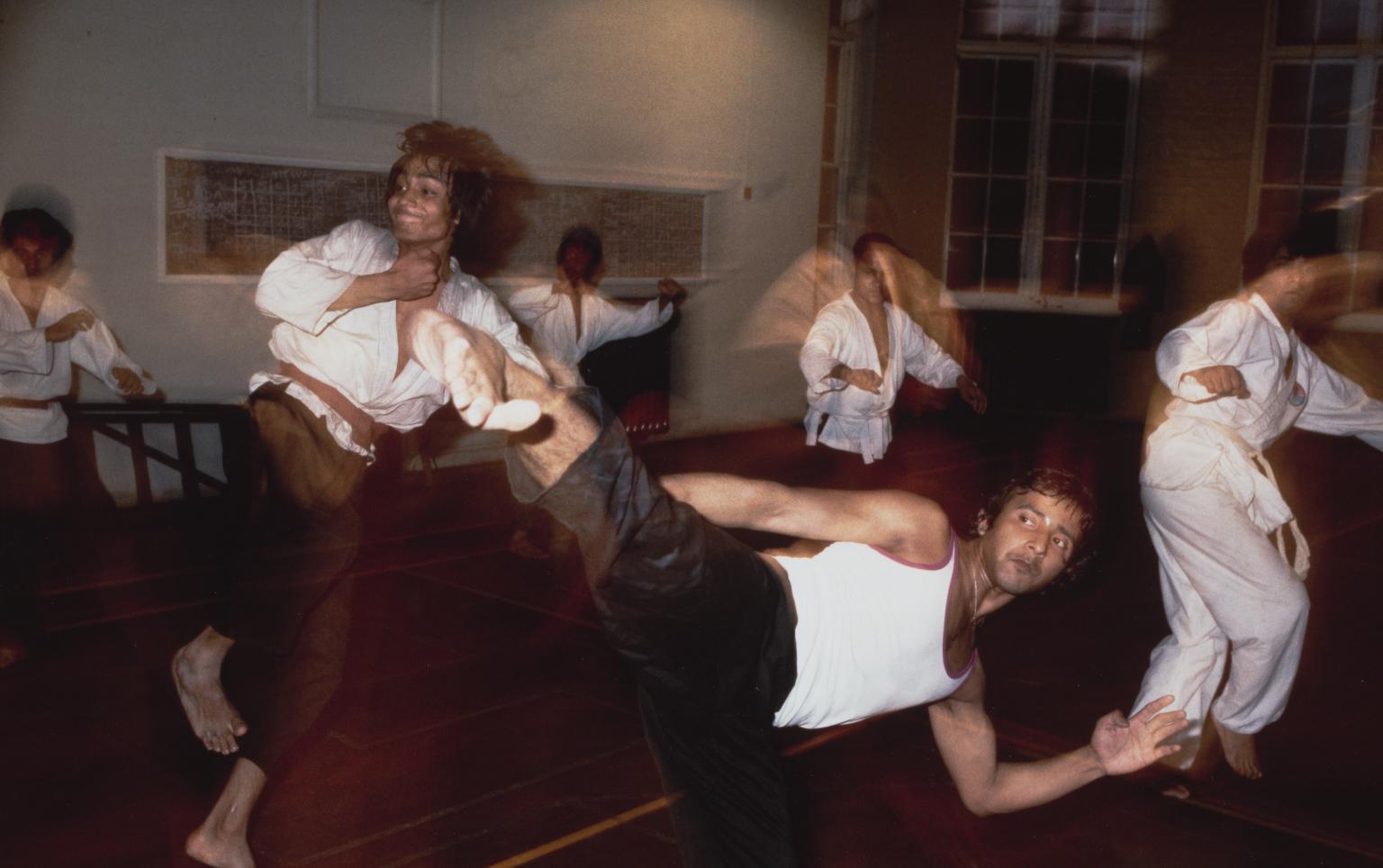
Chris Steele-Perkins, Self-defence Class, Brick Lane 1980–9
The Pleasure Principle 1980–9 is a set of forty-four colour cibachrome photographic prints depicting scenes of leisure and enjoyment in Britain in the 1980s. The subjects of the photographs range from youth culture and sport to political associations and countryside hobbies. The collection also includes a portrait of then Prime Minister Margaret Thatcher. In each case, Steele-Perkins highlighted what he considered to be specifically ‘British’ pursuits and activities, prompting a reflection on the state of British society. Returning to England after spending time photographing abroad, Steele-Perkins experienced a kind of culture shock. He has described how:
20/28
artworks in Chris Steele-Perkins
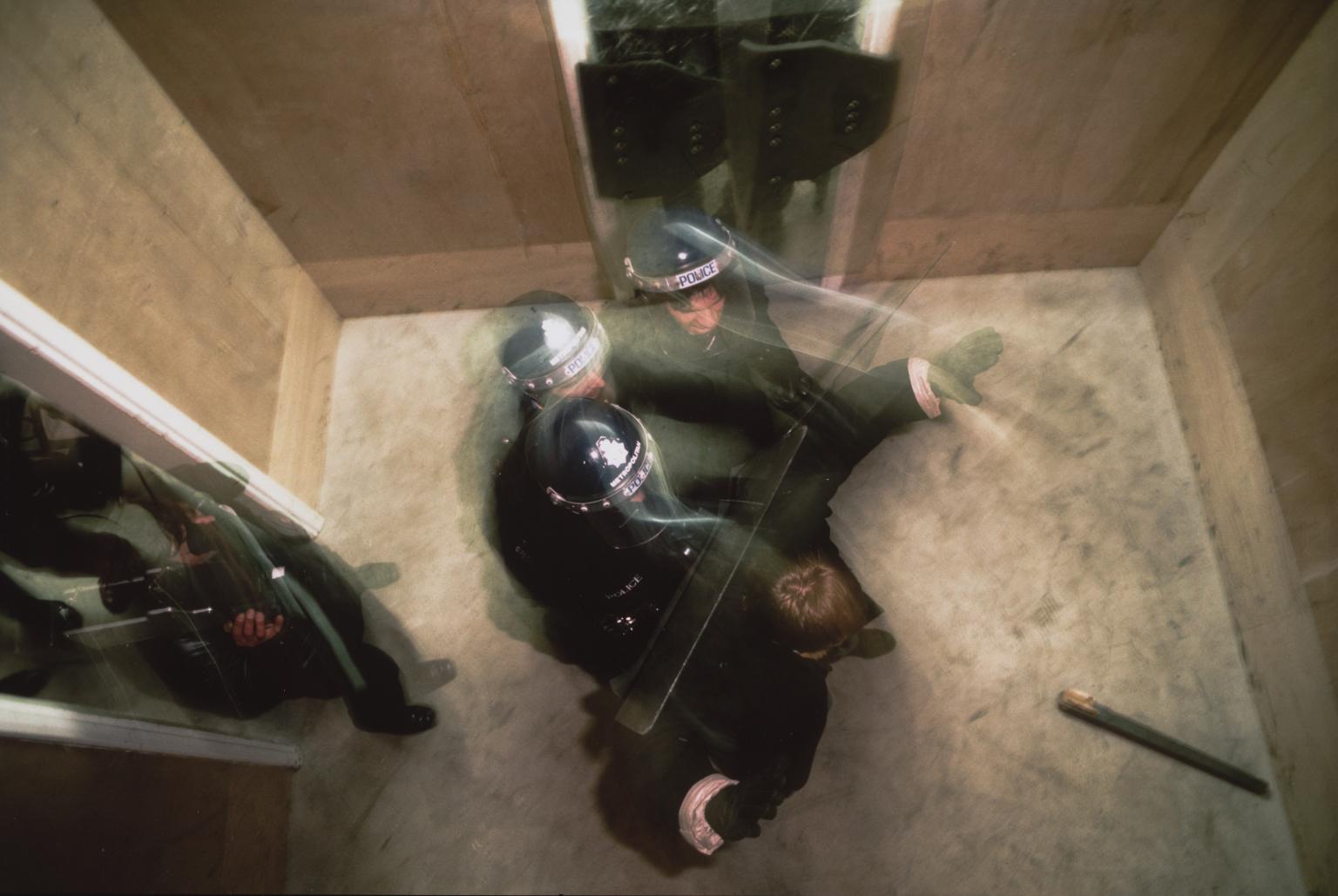
Chris Steele-Perkins, Police Photo Opportunity. Controlling Violent Man in Small Room 1980–9
The Pleasure Principle 1980–9 is a set of forty-four colour cibachrome photographic prints depicting scenes of leisure and enjoyment in Britain in the 1980s. The subjects of the photographs range from youth culture and sport to political associations and countryside hobbies. The collection also includes a portrait of then Prime Minister Margaret Thatcher. In each case, Steele-Perkins highlighted what he considered to be specifically ‘British’ pursuits and activities, prompting a reflection on the state of British society. Returning to England after spending time photographing abroad, Steele-Perkins experienced a kind of culture shock. He has described how:
21/28
artworks in Chris Steele-Perkins
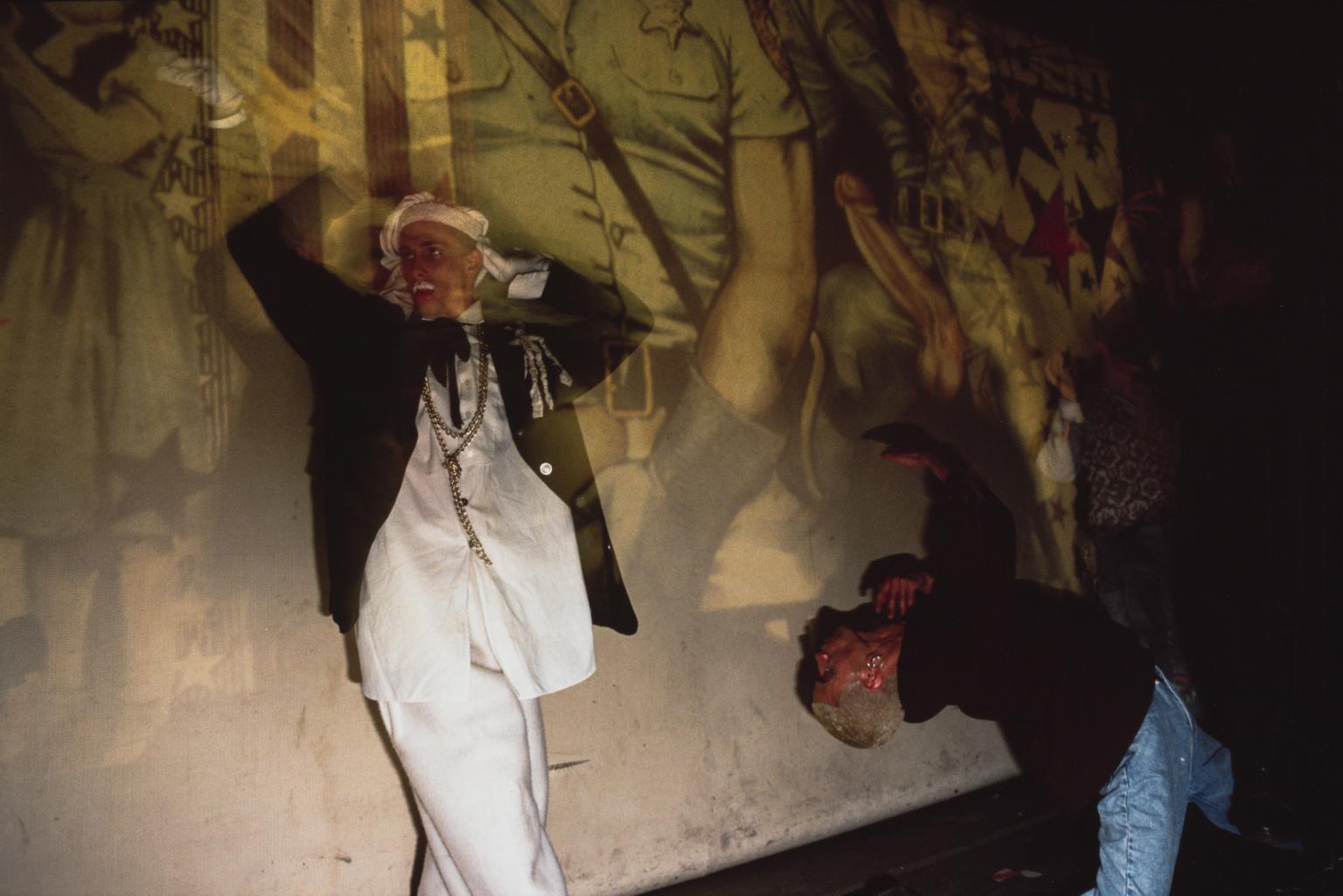
Chris Steele-Perkins, ‘Vogueing’ at a Gay-night in The Fringe, London 1980–9
The Pleasure Principle 1980–9 is a set of forty-four colour cibachrome photographic prints depicting scenes of leisure and enjoyment in Britain in the 1980s. The subjects of the photographs range from youth culture and sport to political associations and countryside hobbies. The collection also includes a portrait of then Prime Minister Margaret Thatcher. In each case, Steele-Perkins highlighted what he considered to be specifically ‘British’ pursuits and activities, prompting a reflection on the state of British society. Returning to England after spending time photographing abroad, Steele-Perkins experienced a kind of culture shock. He has described how:
22/28
artworks in Chris Steele-Perkins
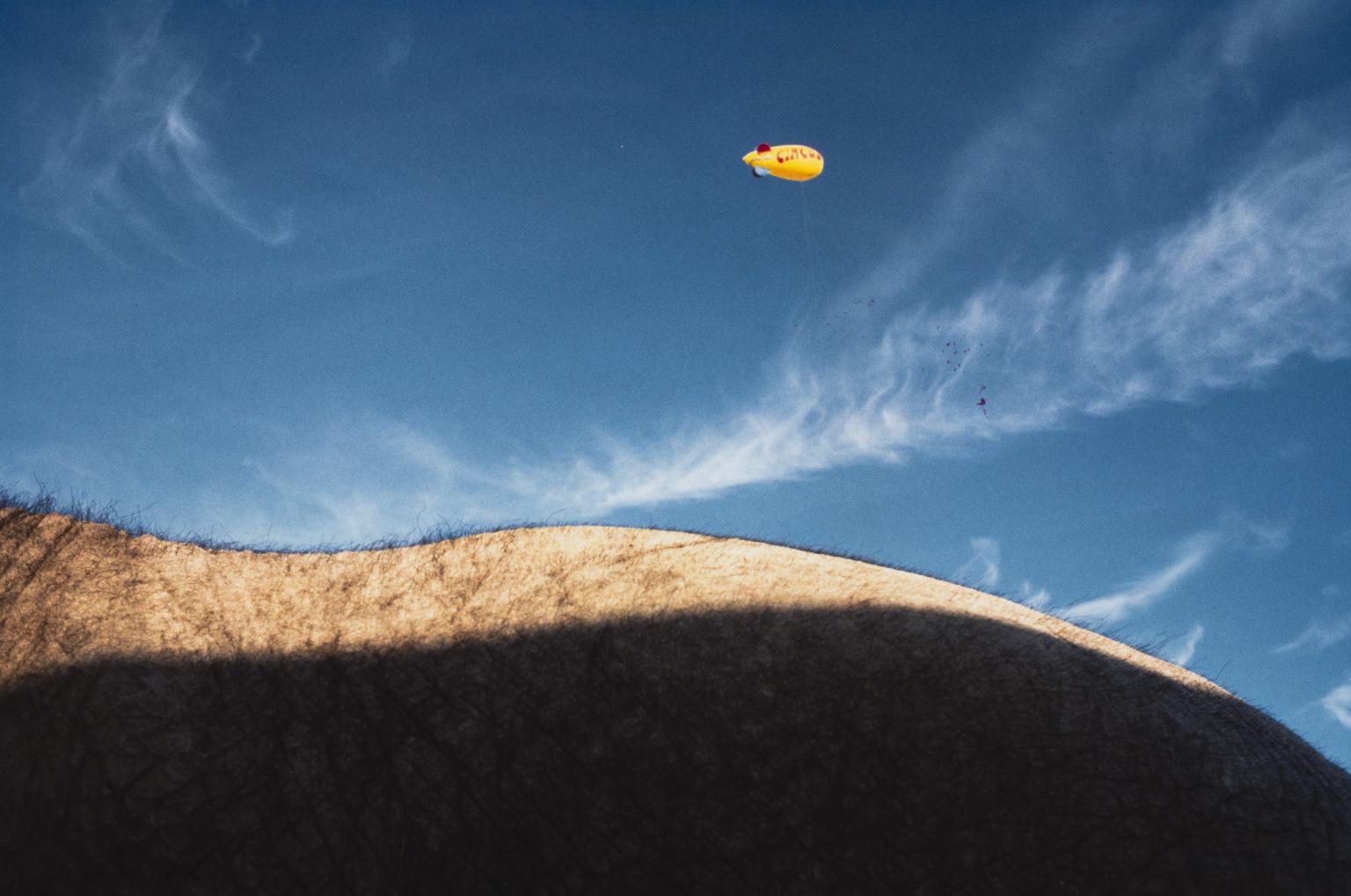
Chris Steele-Perkins, Circus Elephant, Crystal Palace 1980–9
The Pleasure Principle 1980–9 is a set of forty-four colour cibachrome photographic prints depicting scenes of leisure and enjoyment in Britain in the 1980s. The subjects of the photographs range from youth culture and sport to political associations and countryside hobbies. The collection also includes a portrait of then Prime Minister Margaret Thatcher. In each case, Steele-Perkins highlighted what he considered to be specifically ‘British’ pursuits and activities, prompting a reflection on the state of British society. Returning to England after spending time photographing abroad, Steele-Perkins experienced a kind of culture shock. He has described how:
23/28
artworks in Chris Steele-Perkins
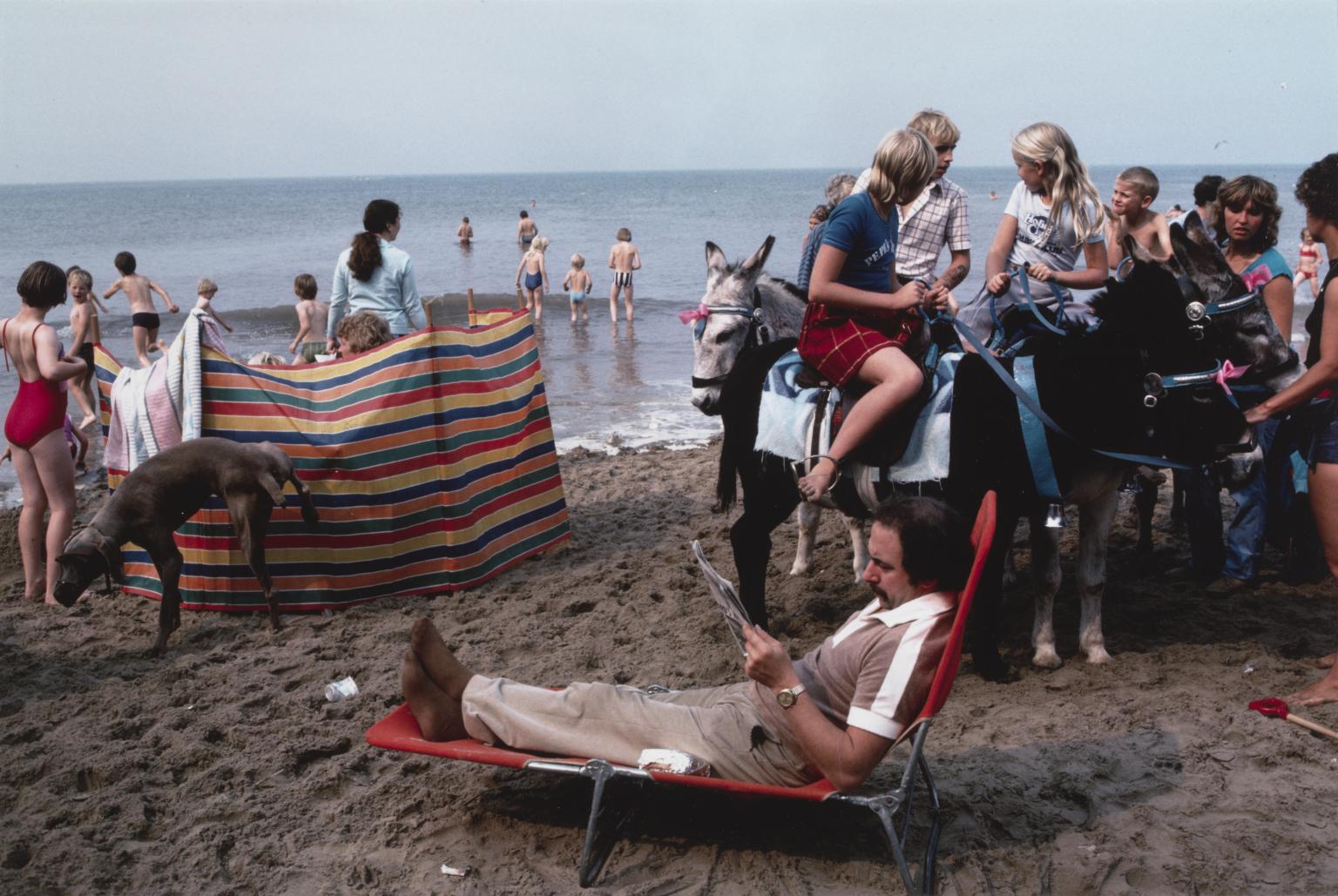
Chris Steele-Perkins, Blackpool Beach 1980–9
The Pleasure Principle 1980–9 is a set of forty-four colour cibachrome photographic prints depicting scenes of leisure and enjoyment in Britain in the 1980s. The subjects of the photographs range from youth culture and sport to political associations and countryside hobbies. The collection also includes a portrait of then Prime Minister Margaret Thatcher. In each case, Steele-Perkins highlighted what he considered to be specifically ‘British’ pursuits and activities, prompting a reflection on the state of British society. Returning to England after spending time photographing abroad, Steele-Perkins experienced a kind of culture shock. He has described how:
25/28
artworks in Chris Steele-Perkins
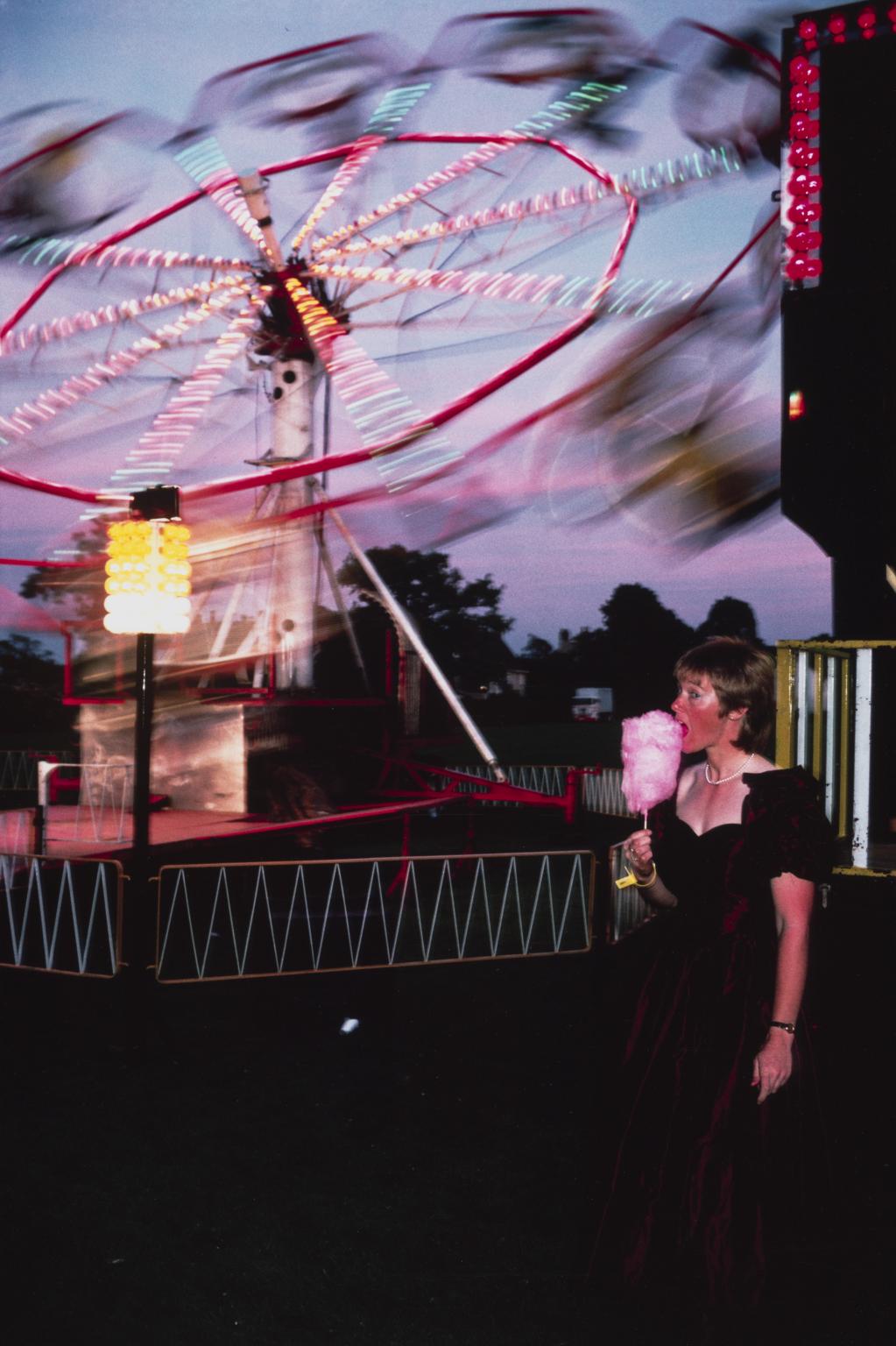
Chris Steele-Perkins, Cambridge University Spring Ball 1980–9
The Pleasure Principle 1980–9 is a set of forty-four colour cibachrome photographic prints depicting scenes of leisure and enjoyment in Britain in the 1980s. The subjects of the photographs range from youth culture and sport to political associations and countryside hobbies. The collection also includes a portrait of then Prime Minister Margaret Thatcher. In each case, Steele-Perkins highlighted what he considered to be specifically ‘British’ pursuits and activities, prompting a reflection on the state of British society. Returning to England after spending time photographing abroad, Steele-Perkins experienced a kind of culture shock. He has described how:
26/28
artworks in Chris Steele-Perkins
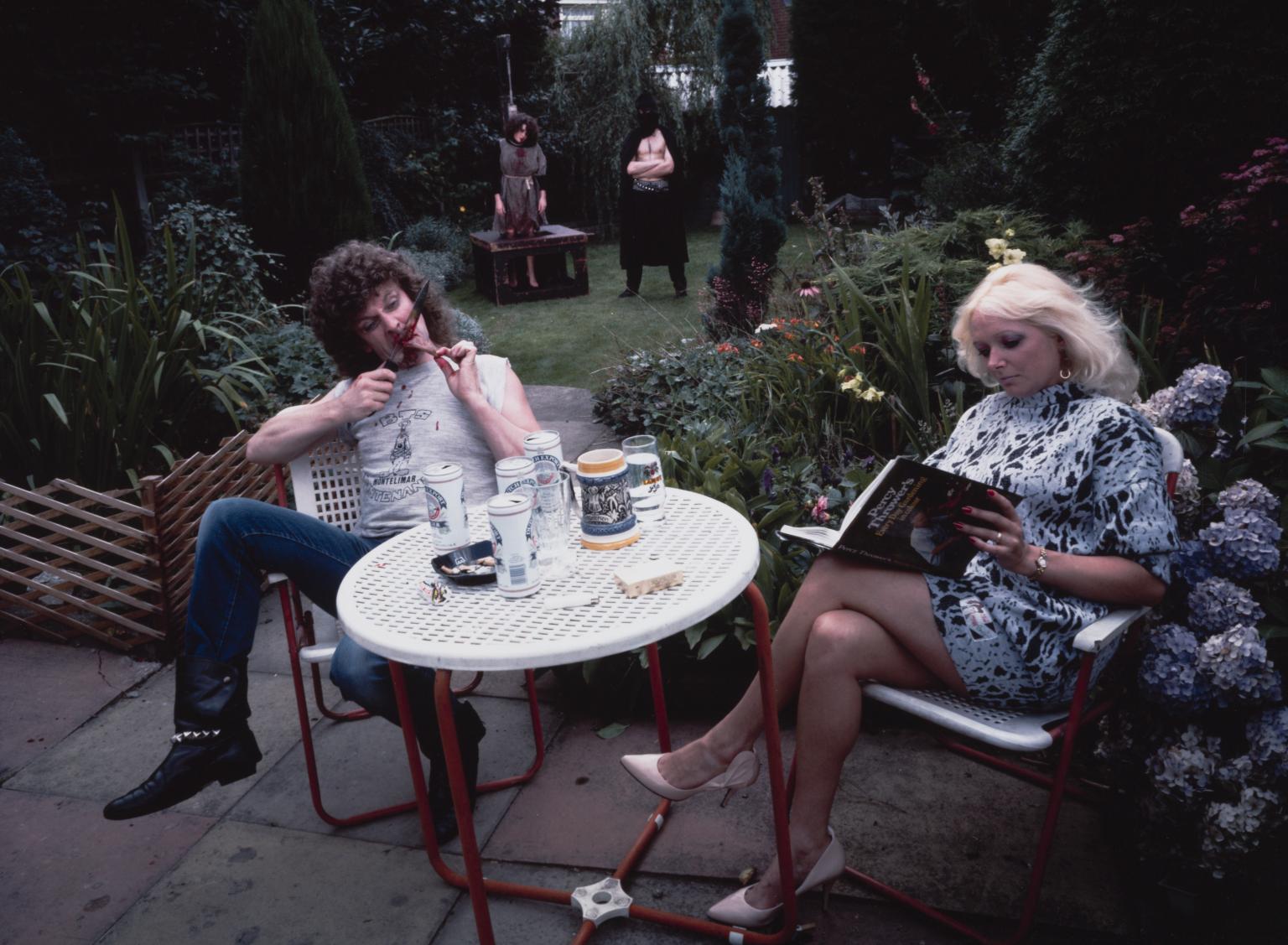
Chris Steele-Perkins, Alternative Cabaret Group, Birmingham 1980–9
The Pleasure Principle 1980–9 is a set of forty-four colour cibachrome photographic prints depicting scenes of leisure and enjoyment in Britain in the 1980s. The subjects of the photographs range from youth culture and sport to political associations and countryside hobbies. The collection also includes a portrait of then Prime Minister Margaret Thatcher. In each case, Steele-Perkins highlighted what he considered to be specifically ‘British’ pursuits and activities, prompting a reflection on the state of British society. Returning to England after spending time photographing abroad, Steele-Perkins experienced a kind of culture shock. He has described how:
27/28
artworks in Chris Steele-Perkins
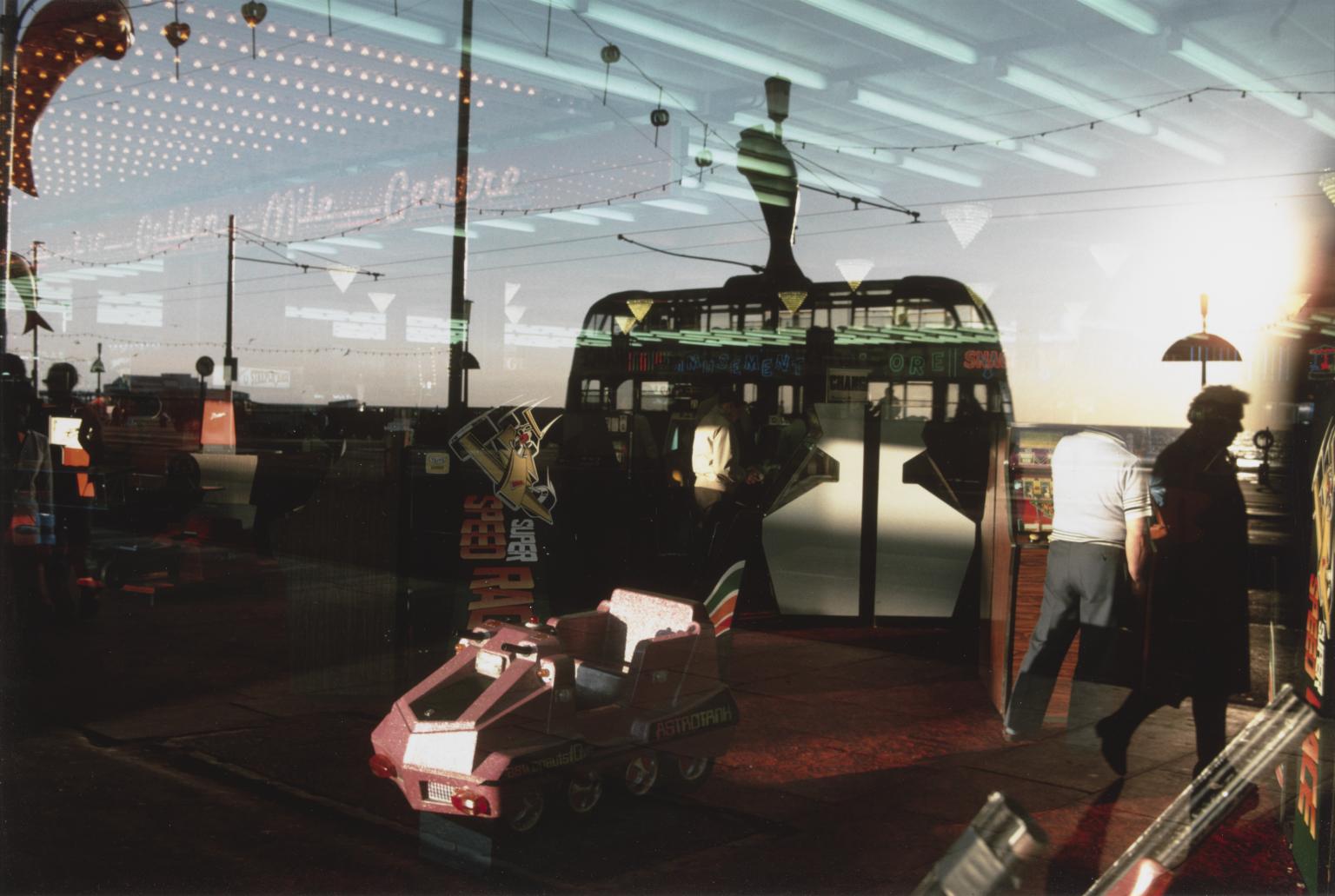
Chris Steele-Perkins, Golden Mile, Blackpool 1980–9
The Pleasure Principle 1980–9 is a set of forty-four colour cibachrome photographic prints depicting scenes of leisure and enjoyment in Britain in the 1980s. The subjects of the photographs range from youth culture and sport to political associations and countryside hobbies. The collection also includes a portrait of then Prime Minister Margaret Thatcher. In each case, Steele-Perkins highlighted what he considered to be specifically ‘British’ pursuits and activities, prompting a reflection on the state of British society. Returning to England after spending time photographing abroad, Steele-Perkins experienced a kind of culture shock. He has described how:
28/28
artworks in Chris Steele-Perkins
Art in this room
Chris Steele-Perkins
Boarding Houses, Blackpool
1980–9
Chris Steele-Perkins
Cricket Match, Hampshire
1980–9
Chris Steele-Perkins
British Movement Demonstration, London
1980–9
Chris Steele-Perkins
Territorial Army Practice Repelling a Soviet Invasion
1980–9
Chris Steele-Perkins
Circus Acrobats at Crystal Palace
1980–9
Chris Steele-Perkins
Juliana’s Summer Party, London
1980–9
You've viewed 6/28 artworks
You've viewed 28/28 artworks