Skip navigation

Main menu

  • What's On
  • Visit
  • Art
    • Discover Art
    • Artists
    • Artworks
    • Stories
    Stories
    Stories

    Watch, listen and read

  • Learn
    • Schools
    • Tate Kids
    • Research
    • Activities and workshops
    Tate Kids
    Tate Kids

    Games, quizzes and films for kids

  • Shop
Become a Member
  • Tate Britain
    Tate Britain Free admissionClosed 24, 25 and 26 December
  • Tate Modern
    Tate Modern Free admissionClosed 24, 25 and 26 December
  • Tate Liverpool + RIBA North
    Tate Liverpool + RIBA North Free admissionClosed 24, 25 and 26 December
  • Tate St Ives
    Tate St Ives Ticket or membership card requiredClosed 24, 25 and 26 December
  • Families
  • Accessibility
  • Schools
  • Private tours
  • Discover Art
  • Artists
  • Artworks
  • Stories
  • Schools
  • Tate Kids
  • Research
  • Activities and workshops
Tate Logo

Try searching for...

  • J.M.W. Turner
  • Ophelia
  • Tracey Emin

DON'T MISS

Exhibition

Lee Miller

Tate Britain
Until 15 Feb 2026
Exhibition

Theatre Picasso

Tate Modern
Until 12 Apr 2026
Become a Member
This is a past display. Go to current displays
Gustav Klutsis Raise Higher the Banner of Marx, Engels, Lenin, and Stalin! 1933

Gustav Klutsis Raise Higher the Banner of Marx, Engels, Lenin, and Stalin! 1933 © Tate Photography  

Soviet Photobooks

Explore the experimental ways the Soviet Union used photography, publications and posters to promote the socialist state

The USSR formed following the October Revolution of 1917. Propaganda posters and publications highlighted only the benefits and achievements of the young socialist state. Their aim was to reach both local and international audiences. Addressing areas including industry, technology, sport and culture, they emphasised rapid improvements in Soviet society.

This was a period of radical experimentation with publications and posters. Fold-outs, cut-outs and flaps brought pages to life. They combined photography with experimental designs and striking graphics. Photographers were also taking their medium in new directions. They captured images from new ‘worm’s eye’ and ‘bird’s eye’ views. This transformed everyday subject-matter into energetic compositions. Photomontages, made by cutting and pasting together images, were another way of showing a new perspective.

Publications and posters also allowed for a new way of working. Teams of photographers, graphic designers, typesetters and editors worked collaboratively. This collective model of creation was in line with Marxist thought. The Soviet state rejected the idea of the ‘creative genius’. Instead, it promoted mass-produced art that could benefit society.

Curated by Dina Akhmadeeva and Sarah Allen
Read more

Tate Modern
Natalie Bell Building Level 2 West

Getting Here

1 February – 5 May 2022

Free

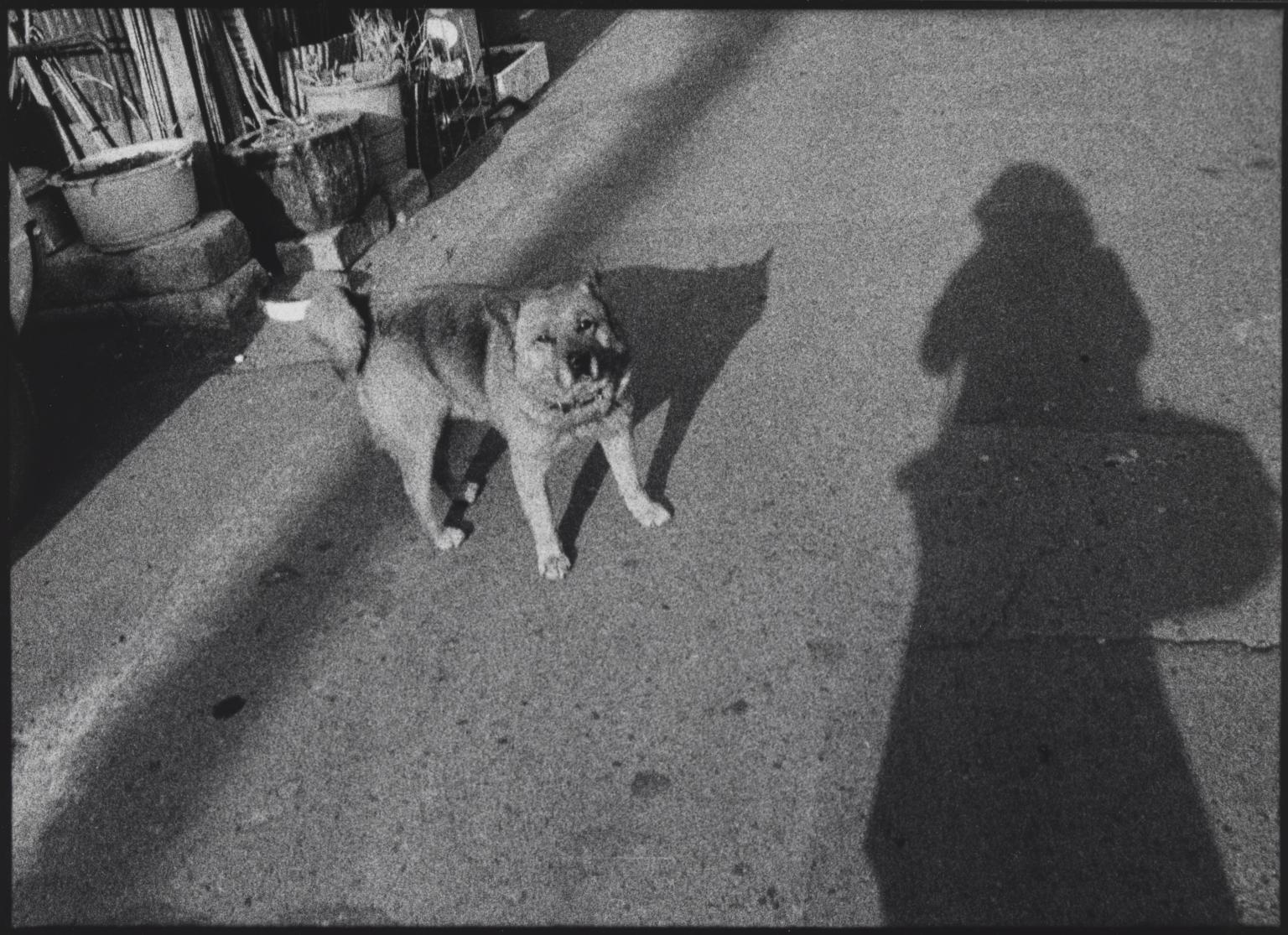
Miyako Ishiuchi, Yokosuka Story  1977

Yokosuka Story 1977, by the Japanese photographer Miyako Ishiuchi, comprises forty vintage black and white prints which are typically displayed in a large grid. As the title suggests, the work depicts the town of Yokosuka, a small port in Japan where Ishiuchi grew up during the 1950s and 1960s, when the town was the site of a large American naval base. In these years of military occupation the town was infiltrated by American culture and in turn the visual landscape reflected this struggle between local and foreign, past and present and the uncertainty of Japan’s future identity. Like other slightly older Japanese photographers associated with the ‘Provoke’ movement, such as Shomei Tomatsu and Daido Moriyama, with whom she worked, Ishiuchi was part of the post-war generation who used their cameras to record and explore what it meant to be Japanese at this pivotal moment in history. The Provoke movement experimented with photographic techniques in order to offer a more subjective and radical vision of society in Japan post-Hiroshima, focusing on the alienation and disaffection characterising urban life.

1/10
artworks in Soviet Photobooks

More on this artwork

Miyako Ishiuchi, Yokosuka Story  1977

Yokosuka Story 1977, by the Japanese photographer Miyako Ishiuchi, comprises forty vintage black and white prints which are typically displayed in a large grid. As the title suggests, the work depicts the town of Yokosuka, a small port in Japan where Ishiuchi grew up during the 1950s and 1960s, when the town was the site of a large American naval base. In these years of military occupation the town was infiltrated by American culture and in turn the visual landscape reflected this struggle between local and foreign, past and present and the uncertainty of Japan’s future identity. Like other slightly older Japanese photographers associated with the ‘Provoke’ movement, such as Shomei Tomatsu and Daido Moriyama, with whom she worked, Ishiuchi was part of the post-war generation who used their cameras to record and explore what it meant to be Japanese at this pivotal moment in history. The Provoke movement experimented with photographic techniques in order to offer a more subjective and radical vision of society in Japan post-Hiroshima, focusing on the alienation and disaffection characterising urban life.

2/10
artworks in Soviet Photobooks

More on this artwork

Miyako Ishiuchi, Yokosuka Story  1977

Yokosuka Story 1977, by the Japanese photographer Miyako Ishiuchi, comprises forty vintage black and white prints which are typically displayed in a large grid. As the title suggests, the work depicts the town of Yokosuka, a small port in Japan where Ishiuchi grew up during the 1950s and 1960s, when the town was the site of a large American naval base. In these years of military occupation the town was infiltrated by American culture and in turn the visual landscape reflected this struggle between local and foreign, past and present and the uncertainty of Japan’s future identity. Like other slightly older Japanese photographers associated with the ‘Provoke’ movement, such as Shomei Tomatsu and Daido Moriyama, with whom she worked, Ishiuchi was part of the post-war generation who used their cameras to record and explore what it meant to be Japanese at this pivotal moment in history. The Provoke movement experimented with photographic techniques in order to offer a more subjective and radical vision of society in Japan post-Hiroshima, focusing on the alienation and disaffection characterising urban life.

3/10
artworks in Soviet Photobooks

More on this artwork

Miyako Ishiuchi, Yokosuka Story  1977

Yokosuka Story 1977, by the Japanese photographer Miyako Ishiuchi, comprises forty vintage black and white prints which are typically displayed in a large grid. As the title suggests, the work depicts the town of Yokosuka, a small port in Japan where Ishiuchi grew up during the 1950s and 1960s, when the town was the site of a large American naval base. In these years of military occupation the town was infiltrated by American culture and in turn the visual landscape reflected this struggle between local and foreign, past and present and the uncertainty of Japan’s future identity. Like other slightly older Japanese photographers associated with the ‘Provoke’ movement, such as Shomei Tomatsu and Daido Moriyama, with whom she worked, Ishiuchi was part of the post-war generation who used their cameras to record and explore what it meant to be Japanese at this pivotal moment in history. The Provoke movement experimented with photographic techniques in order to offer a more subjective and radical vision of society in Japan post-Hiroshima, focusing on the alienation and disaffection characterising urban life.

4/10
artworks in Soviet Photobooks

More on this artwork

Miyako Ishiuchi, Yokosuka Story  1977

Yokosuka Story 1977, by the Japanese photographer Miyako Ishiuchi, comprises forty vintage black and white prints which are typically displayed in a large grid. As the title suggests, the work depicts the town of Yokosuka, a small port in Japan where Ishiuchi grew up during the 1950s and 1960s, when the town was the site of a large American naval base. In these years of military occupation the town was infiltrated by American culture and in turn the visual landscape reflected this struggle between local and foreign, past and present and the uncertainty of Japan’s future identity. Like other slightly older Japanese photographers associated with the ‘Provoke’ movement, such as Shomei Tomatsu and Daido Moriyama, with whom she worked, Ishiuchi was part of the post-war generation who used their cameras to record and explore what it meant to be Japanese at this pivotal moment in history. The Provoke movement experimented with photographic techniques in order to offer a more subjective and radical vision of society in Japan post-Hiroshima, focusing on the alienation and disaffection characterising urban life.

5/10
artworks in Soviet Photobooks

More on this artwork

Miyako Ishiuchi, Yokosuka Story  1977

Yokosuka Story 1977, by the Japanese photographer Miyako Ishiuchi, comprises forty vintage black and white prints which are typically displayed in a large grid. As the title suggests, the work depicts the town of Yokosuka, a small port in Japan where Ishiuchi grew up during the 1950s and 1960s, when the town was the site of a large American naval base. In these years of military occupation the town was infiltrated by American culture and in turn the visual landscape reflected this struggle between local and foreign, past and present and the uncertainty of Japan’s future identity. Like other slightly older Japanese photographers associated with the ‘Provoke’ movement, such as Shomei Tomatsu and Daido Moriyama, with whom she worked, Ishiuchi was part of the post-war generation who used their cameras to record and explore what it meant to be Japanese at this pivotal moment in history. The Provoke movement experimented with photographic techniques in order to offer a more subjective and radical vision of society in Japan post-Hiroshima, focusing on the alienation and disaffection characterising urban life.

6/10
artworks in Soviet Photobooks

More on this artwork

Miyako Ishiuchi, Yokosuka Story  1977

Yokosuka Story 1977, by the Japanese photographer Miyako Ishiuchi, comprises forty vintage black and white prints which are typically displayed in a large grid. As the title suggests, the work depicts the town of Yokosuka, a small port in Japan where Ishiuchi grew up during the 1950s and 1960s, when the town was the site of a large American naval base. In these years of military occupation the town was infiltrated by American culture and in turn the visual landscape reflected this struggle between local and foreign, past and present and the uncertainty of Japan’s future identity. Like other slightly older Japanese photographers associated with the ‘Provoke’ movement, such as Shomei Tomatsu and Daido Moriyama, with whom she worked, Ishiuchi was part of the post-war generation who used their cameras to record and explore what it meant to be Japanese at this pivotal moment in history. The Provoke movement experimented with photographic techniques in order to offer a more subjective and radical vision of society in Japan post-Hiroshima, focusing on the alienation and disaffection characterising urban life.

7/10
artworks in Soviet Photobooks

More on this artwork

Miyako Ishiuchi, Yokosuka Story  1977

Yokosuka Story 1977, by the Japanese photographer Miyako Ishiuchi, comprises forty vintage black and white prints which are typically displayed in a large grid. As the title suggests, the work depicts the town of Yokosuka, a small port in Japan where Ishiuchi grew up during the 1950s and 1960s, when the town was the site of a large American naval base. In these years of military occupation the town was infiltrated by American culture and in turn the visual landscape reflected this struggle between local and foreign, past and present and the uncertainty of Japan’s future identity. Like other slightly older Japanese photographers associated with the ‘Provoke’ movement, such as Shomei Tomatsu and Daido Moriyama, with whom she worked, Ishiuchi was part of the post-war generation who used their cameras to record and explore what it meant to be Japanese at this pivotal moment in history. The Provoke movement experimented with photographic techniques in order to offer a more subjective and radical vision of society in Japan post-Hiroshima, focusing on the alienation and disaffection characterising urban life.

8/10
artworks in Soviet Photobooks

More on this artwork

Miyako Ishiuchi, Yokosuka Story  1977

Yokosuka Story 1977, by the Japanese photographer Miyako Ishiuchi, comprises forty vintage black and white prints which are typically displayed in a large grid. As the title suggests, the work depicts the town of Yokosuka, a small port in Japan where Ishiuchi grew up during the 1950s and 1960s, when the town was the site of a large American naval base. In these years of military occupation the town was infiltrated by American culture and in turn the visual landscape reflected this struggle between local and foreign, past and present and the uncertainty of Japan’s future identity. Like other slightly older Japanese photographers associated with the ‘Provoke’ movement, such as Shomei Tomatsu and Daido Moriyama, with whom she worked, Ishiuchi was part of the post-war generation who used their cameras to record and explore what it meant to be Japanese at this pivotal moment in history. The Provoke movement experimented with photographic techniques in order to offer a more subjective and radical vision of society in Japan post-Hiroshima, focusing on the alienation and disaffection characterising urban life.

9/10
artworks in Soviet Photobooks

More on this artwork

Miyako Ishiuchi, Yokosuka Story  1977

Yokosuka Story 1977, by the Japanese photographer Miyako Ishiuchi, comprises forty vintage black and white prints which are typically displayed in a large grid. As the title suggests, the work depicts the town of Yokosuka, a small port in Japan where Ishiuchi grew up during the 1950s and 1960s, when the town was the site of a large American naval base. In these years of military occupation the town was infiltrated by American culture and in turn the visual landscape reflected this struggle between local and foreign, past and present and the uncertainty of Japan’s future identity. Like other slightly older Japanese photographers associated with the ‘Provoke’ movement, such as Shomei Tomatsu and Daido Moriyama, with whom she worked, Ishiuchi was part of the post-war generation who used their cameras to record and explore what it meant to be Japanese at this pivotal moment in history. The Provoke movement experimented with photographic techniques in order to offer a more subjective and radical vision of society in Japan post-Hiroshima, focusing on the alienation and disaffection characterising urban life.

10/10
artworks in Soviet Photobooks

More on this artwork

Art in this room

Sorry, no image available

Miyako Ishiuchi Yokosuka Story 1977
P80610: Yokosuka Story
Miyako Ishiuchi Yokosuka Story 1977

Sorry, no image available

Miyako Ishiuchi Yokosuka Story 1977

Sorry, no image available

Miyako Ishiuchi Yokosuka Story 1977

Sorry, no image available

Miyako Ishiuchi Yokosuka Story 1977

Sorry, no image available

Miyako Ishiuchi Yokosuka Story 1977

Sorry, no image available

Miyako Ishiuchi Yokosuka Story 1977

Sorry, no image available

Miyako Ishiuchi Yokosuka Story 1977

Sorry, no image available

Miyako Ishiuchi Yokosuka Story 1977

Sorry, no image available

Miyako Ishiuchi Yokosuka Story 1977

You've viewed 6/10 artworks

You've viewed 10/10 artworks

Artwork
Close

Join in

  • Twitter
  • Facebook
  • YouTube
  • Instagram
  • Pinterest
Sign up to emails

Sign up to emails

This site is protected by reCAPTCHA and the Google Privacy Policy and Terms of Service apply.

Tate’s privacy policy

About

  • About us
  • Our collection
  • Terms and copyright
  • Governance
  • Picture library
  • ARTIST ROOMS
  • Tate Kids

Support

  • Tate Collective
  • Members
  • Patrons
  • Donate
  • Corporate
  • My account
  • Press
  • Jobs
  • Accessibility
  • Privacy
  • Cookies
  • Contact
© The Board of Trustees of the Tate Gallery, 2025
All rights reserved