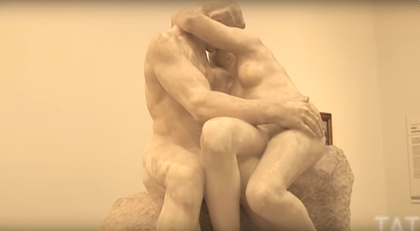
Working at the turn of the 20th century, Auguste Rodin broke the rules of classical sculpture to create an image of the human body that mirrored the ruptures, complexities and uncertainties of the modern age.
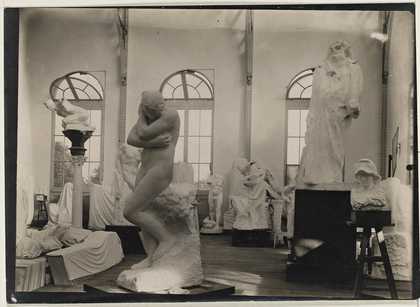
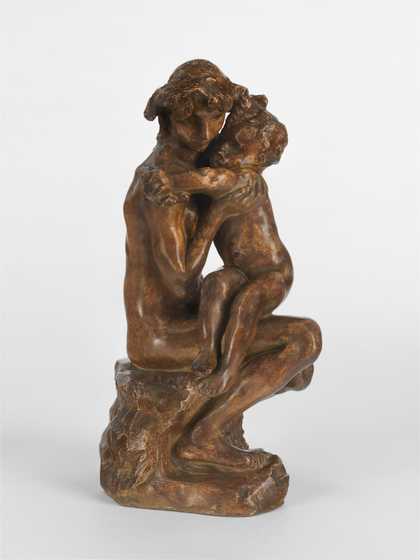
This major exhibition is the first to focus on the importance of plaster in his work. Although Rodin is best known for his bronze and marble sculptures, he himself worked as a modeller, who captured movement, light and volume in pliable materials such as clay and plaster.
This presentation evokes the atmosphere of the artist’s studio. Plasters casts in all sizes show how he continually experimented with fragmentation, repetition and joining existing parts in unconventional ways. Some of his best-known works were influenced by this process, including The Burghers of Calais, which is represented here by the newly restored original plaster.
With the process of making at its heart, the exhibition also considers the complex dynamics of the workshop, as well as between the artist and his models and collaborators, including fellow sculptor Camille Claudel, the Japanese actress Ohta Hisa, and the German aristocrat Helene Von Nostitz.
The realisation of this landmark exhibition is possible due to a unique collaboration with the Musée Rodin, who have offered Tate unprecedented access to their collection. It features over 200 works, many of which have not been seen outside of France before.

Auguste Rodin Study for The Thinker 1881 Musée Rodin, S.01168

Auguste Rodin Monument des Bourgeois de Calais 1889 Musée Rodin, S.00153
The EY Exhibition: The Making of Rodin is presented in the Eyal Ofer Galleries. The exhibition is part of The EY Tate Arts Partnership. With additional support from the Rodin Exhibition Supporters Circle and Tate Patrons. Organised by Tate Modern and Musée Rodin, Paris.
Tate Modern's entrance is via the Turbine Hall on Holland Street. There are automatic sliding doors and a ramp down to the entrance.
The exhibition is on Level 3 of the Natalie Bell building. There are lifts to every floor of the Blavatnik and Nathalie Bell buildings. Alternatively you can take the stairs.
- Fully accessible toilets are located on every floor on the concourses.
- A quiet room is available to use in the Natalie Bell Building on Level 4.
- Ear defenders can be borrowed from the Ticket desks.
To help plan your visit to Tate Modern, have a look at our visual story. It includes photographs and information of what you can expect from a visit to the gallery.
For more information before your visit:
Email hello@tate.org.uk
Call +44 (0)20 7887 8888 – option 1 (daily 09.45–18.00)
Visitor numbers are being carefully managed. There are increased cleaning regimes in high use areas, protective screens on desks and counters and hand sanitiser dispensers throughout the gallery.
When you visit:
- Keep your distance from others
- Please wear a face covering unless you are exempt
Most importantly, if you or anyone you live with has COVID-19 symptoms please stay at home.
For more information take a look through our frequently asked questions.
Our exhibition guide explores the exhibition room by room.
Need a bigger font size of the exhibition guide? Download the large print version [PDF 779Kb]