Tate Etc. Issue 10: Summer 2007

Dear Henry Tate,

Welcome to our tenth issue, and thanks to all our new subscribers, from as far afield as the Shetland Islands and New Zealand, who have helped to increase our print run to 100,000 copies. We celebrate this by inviting The Wrong Gallery (Maurizio Cattelan, Ali Subotnick and Massimiliano Gioni), who like to call themselves ‘a parasite institution temporarily living inside Tate Modern’, to pay homage to some alternative images of Britishness in the Tate collection. Their project – Henry II – features some lesser-displayed works, such as Edward Burra’s Skeleton Party c.1952 and John Quinton Pringle’s The Window 1924. It also presents Franz West’s antidote to the theme – Greetings from Vienna.

In this issue, there are antidotes of another kind. Maya Deren was considered to be one of the first important American experimental filmmakers. Her iconic Meshes of the Afternoon in 1943 was a model for self-financed production, and a message to film companies that big didn’t necessarily mean better. As she put it: ‘I make my pictures for what Hollywood spends on lipstick.’ Deren’s interest in art, film and, most notably, anthropology brought her into contact with such people as Marcel Duchamp, Anaïs Nin and John Cage.

Early in the twentieth century, the artists of the avant-garde were similarly attracted to film, including Kandinsky, the Futurists and, for a moment, Picasso. However, few of these projects ever materialised. One exception, as Ian Christie writes, was Salvador Dalí, who found the medium an ideal aesthetic vehicle for Surrealism, and, in contrast to Deren, wilfully embraced Hollywood. As Tate Modern’s exhibition Dalí & Film will show, his film projects would mirror developments in the century’s art, from his early collaboration with Luis Buñuel in Un Chien Andalou (1929) to his later work with Disney (Destino, 1946/2003), and then in what could be regarded as the first artist’s video, the fabulously anarchic Chaos and Creation, made in 1960.

Bice Curiger and Simon Grant.

Henry Tate holding a model of Tate Gallery Pall Mall Gazette 21 July 1897.

Henry Tate holding a model of Tate Gallery, Pall Mall Gazette, 21 July 1897
© Tate archive

In this Issue

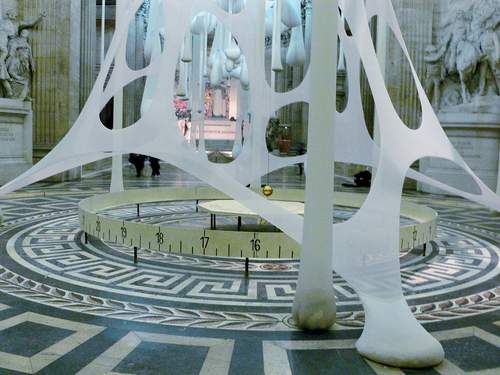
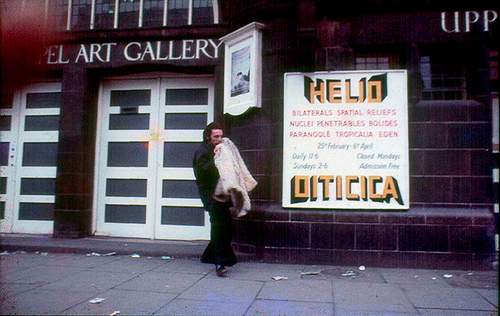
‘Be an outlaw... Be a hero’: Hélio Oiticica III

Ernesto Neto, Marepe, Catherine Yass and Chris Dercon

Artists and curators celebrate the influence of the Brazilian artist on their work

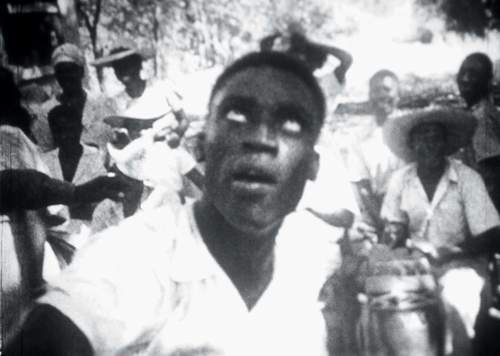
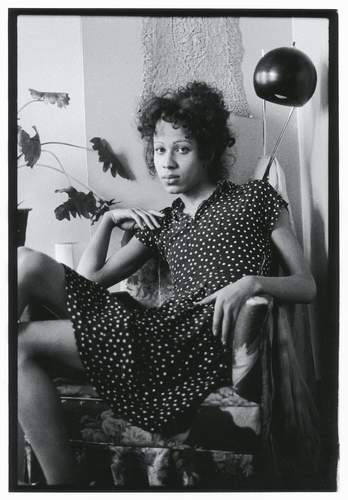
Dancing the white darkness: Maya Deren

Marina Warner

Maya Deren (1917–1961) is regarded as one of the first important American experimental filmmakers. To coincide with a series of …

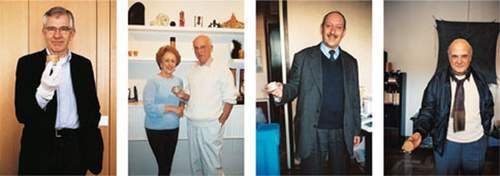
Excremental value: Piero Manzoni's 'Merda d'artista'

John Miller

‘Your work is shit’ – the Italian artist Piero Manzoni was allegedly told by his father. In response to this …

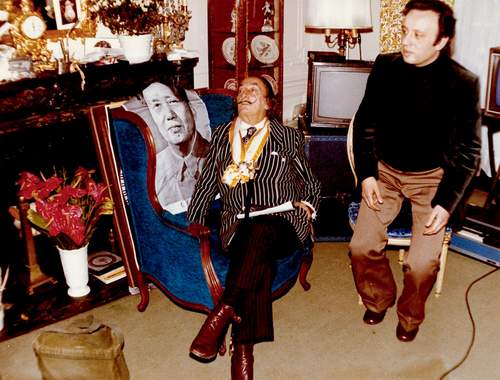
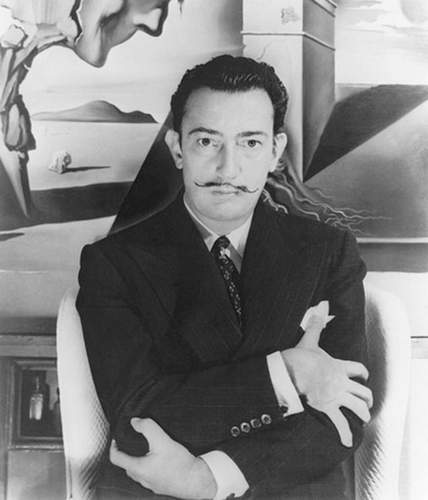
The great collaborator: Dalí

José Montes Baquer and Christopher Jones

In 1976 Salvador Dalí made a film with José Montes Baquer called Impressions of Upper Mongolia, Hommage to Raymond Roussel …

Hélio and I: Hélio Oiticica in London

Caetano Veloso

Hélio Oiticica’s The Body of Colour comes to Tate Modern in June. Brazilian arts flourished in the 1950s, originating with …

Inner visions: Interiors

Beate Söntgen

Professor Beate Söntgen explores artists' historical interest in interiors

Lights, camera, ...metamorphosis: Salvador Dalí

Ian Christie

Salvador Dalí as filmmaker? A strange idea to those who think he was little more than a one-time collaborator with …

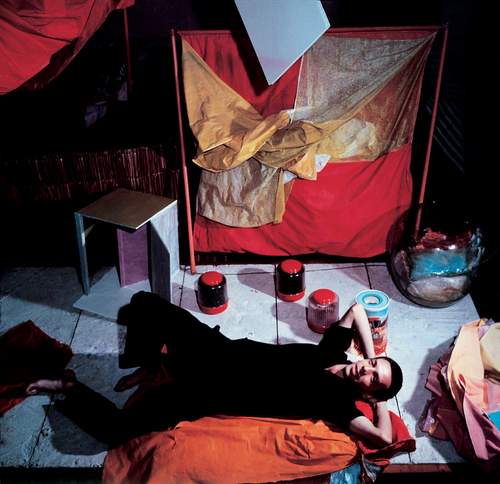
Living colour: Hélio Oiticica

Vincent Katz

Hélio Oiticica’s Brazilian arts flourished in the 1950s, originating with the Modernist movement of the 1920s, and Oiticica became a …

The master chameleon: Water

Roni Horn

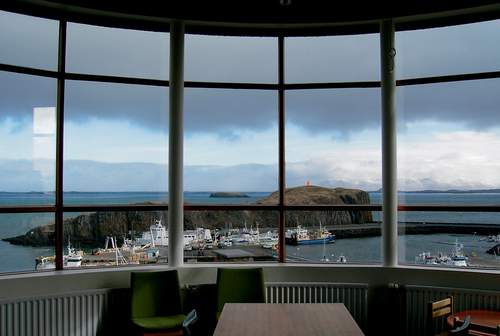
In the small town of Stykkishólmur, Iceland, Roni Horn has created a community centre that houses two installations, the second …

MicroTate 10

Nick Rosen, Peter Newman, Peter Peri and Tom Hodgkinson

MicroTate 10; Nick Rosen, Peter Newman, Peter Peri and Tom Hodgkinson reflect on a work in the Tate collection

In the mind's eye: Stereography

Oliver Sacks

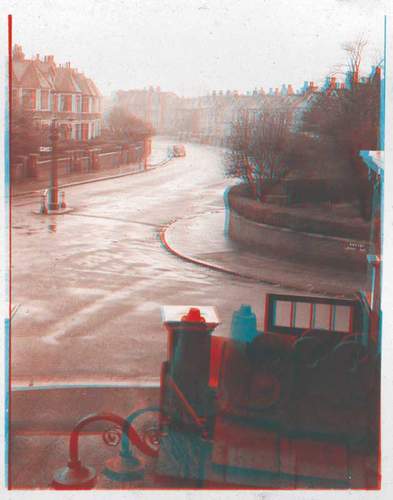
As a twelve-year-old in 1945, Oliver Sacks took a stereographic image of his London street from his bedroom window. Tate …

Out of the blue: Joy Division's 'Unknown Pleasures'

Jon Wozencroft

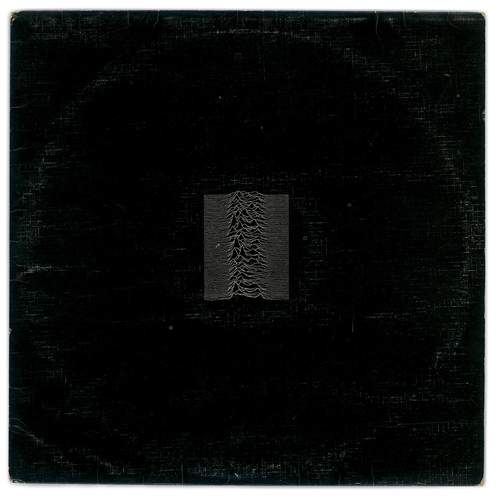
‘I first set my eyes on it one Saturday morning in Rough Trade in late June 1979. The record had …

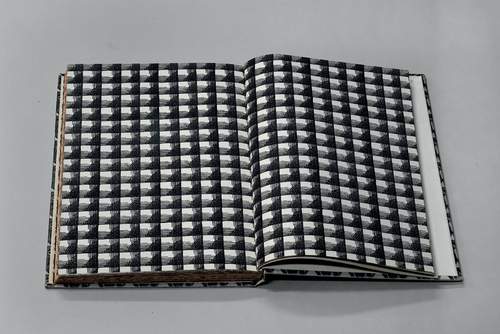
Passion in patterns: Behind the curtain

Paul Simmons

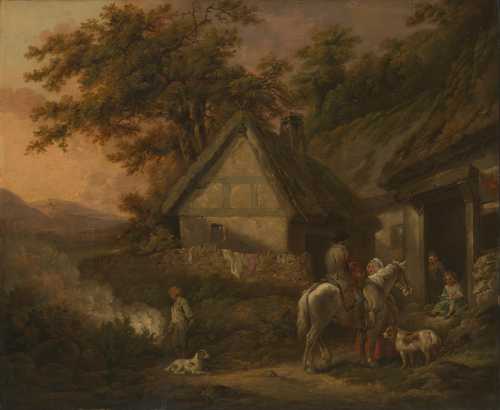
On a visit to the Tate archive, Paul Simmons discovers a book from 1928 that points the way for a …

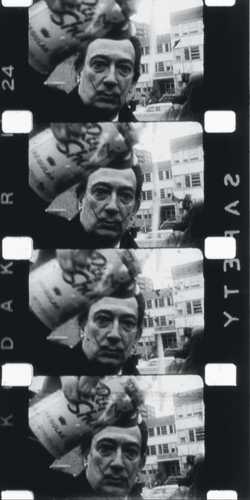
The performance years: Salvador Dalí II

Jonas Mekas

To coincide with Tate Modern’s exhibition exploring his work as a film-maker, Jonas Mekas remembers the Dalí happenings.

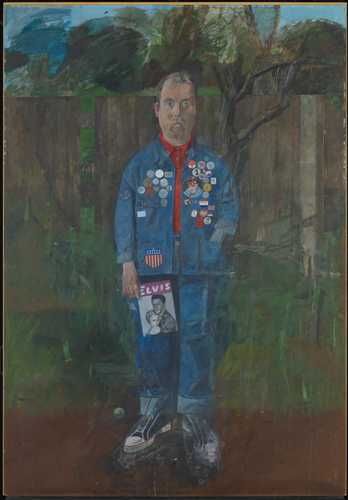
A Study in denim: Peter Blake

Stephen Daniels

Upon its prize-winning appearance at the 1961 John Moores’ Exhibition in Liverpool, Peter Blake’s Self-Portrait with Badges 1961 rapidly became …

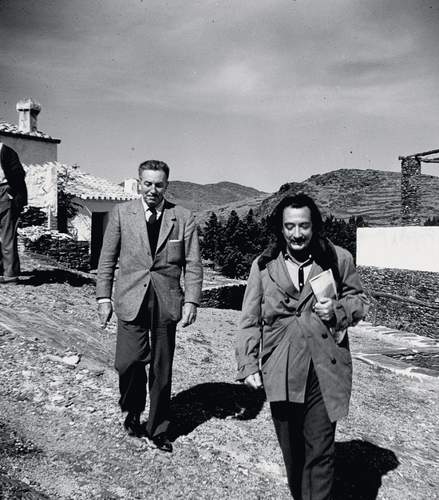
Uncle Walt and Salvador: Disney and Dalí

Roy Disney

Salvador Dalí as filmmaker? Roy Disney on the artist’s collaboration with his Uncle Walt

Warhol stumbled across 'The Real America' in the pantry of a woman who never adapted to the American way of life: Gilda Williams on Andy Warhol's Mother

Gilda Williams

Gilda Williams looks at the most influential person in Andy Warhol's life – his mother Julia Warhola.

We are here: Photographing Britain

David Campany, Nigel Shafran, Homer Sykes, Martin Parr, Anna Pavord, Viktor Kolár, Kathryn Hughes, Brett Rogers and Tessa Codrington

To coincide with Tate Britain’s photographic survey of Britain’s social history, Tate Etc. asked a selection of writers, curators and …

Close