Tate Etc. Issue 23: Autumn 2011

Editors’ note

This autumn Tate St Ives stages a group exhibition called The Indiscipline of Painting: International abstraction from the 1960s to now. It includes work by Mary Heilmann, who calls it a ‘huge conversation’ with some of her favourite artists. ‘This is the way I love to engage with art,’ she says. Such conversations are at the heart of Tate Etc., and often these start with the Tate collection. For his show at Nottingham Contemporary, the artist Klaus Weber has chosen an eclectic and rarely seen selection of Tate works, including pieces by Paul Neagu, George Fullard and Enrico Baj’s Fire! Fire! . Weber made his choice after many hours on Tate’s website – a process that he described as a ‘fantastic voyage’.

It is always fascinating to know how and why one artist is inspired by another. Here, Thomas Schütte recounts how his former teacher Gerhard Richter has been the ‘main influence’ on his methodology, and how he learned from him that ‘even with a limited field you can create a rich story with one’s work’.

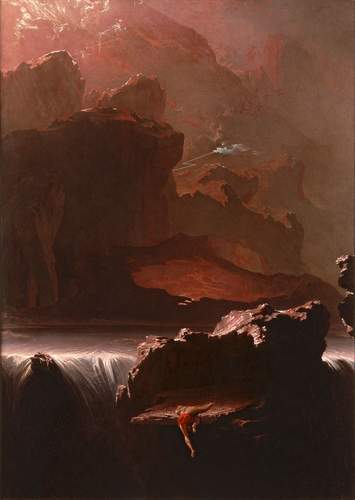
Of course, such inspirations often reach across the centuries. Many artists and filmmakers have borrowed from the apocalyptic visions of the nineteenth-century painter John Martin, and, as Jonathan Griffin argues, Martin’s art could be seen as the source of the ‘dystopic vastness’ in the work of Edward Burtynsky, Florian Maier-Aichen and others, as well as a forerunner of the penchant for the post-apocalyptic undertones in the ‘total installation’ environments of Christoph Büchel and Gregor Schneider.

Writers have also provided rich material for artists to work from. As Tate Liverpool’s Alice in Wonderland  exhibition will show, Lewis Carroll’s works have had an enormous impact on artists from the 1960s onwards, such as Mel Bochner and Bruce Nauman, who, as Sam Thorne writes, have been ‘captivated by both the material potential of text and its endless ambiguities’.

Bice Curiger and Simon Grant

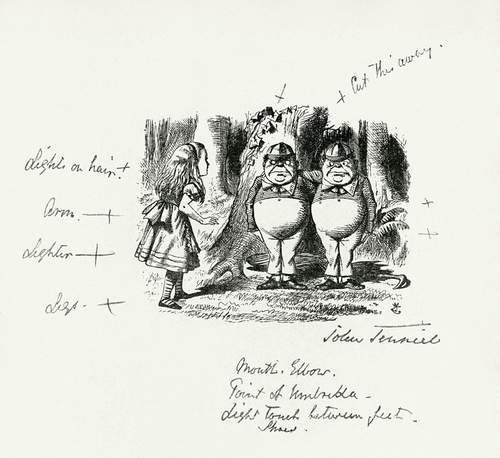
Alice with the Mock Turtle and the Gryphon

Alice with the Mock Turtle and the Gryphon

In this Issue

AAAARGH!: John Martin I

Jonathan Griffin

John Martin is best known for his dramatic scenes of apocalyptic destruction and biblical catastrophe. During his life his work …

Away with the fairies: Richard Dadd

Nicholas Tromans

The Victorian artist is best known for two things: murdering his father, and painting The Fairy Feller’s Master-Stroke while incarcerated …

The city of dreams...and shoes: Etc. Essay: Chicano art

Chon A. Noriega

This autumn more than 60 cultural institutions throughout southern California will come together to tell the story of the Los …

Conversations with paintings: The Indiscipline of Painting

Mary Heilmann

This autumn Tate St Ives stages a wide-ranging exhibition focusing on post-war abstract painting by artists from across the world. …

Curiouser and curiouser: Alice in Wonderland I

Marina Warner

When Charles Dodgson – more widely known as Lewis Carroll – made drawings in the early 1960s for his book …

The God-maker who did his job too well: Rubens and Britain

Lucy Worsley

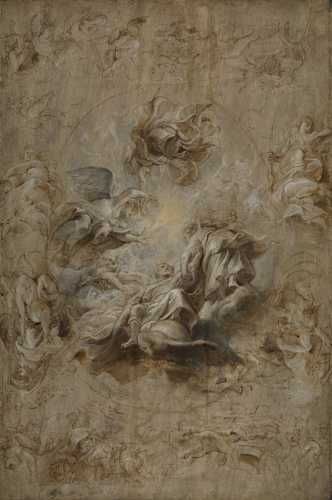
In 2008 Tate Members helped to buy Peter Paul Rubens’s important oil sketch created for the Banqueting House in Whitehall, …

A graphic wake-up call: Etc. Essay: Inspired by Ernst

Vincent Katz

In 1933 the pioneering Surrealist Max Ernst created an extraordinary publication called Une semaine de bonté. Arguably the first …

In the heat of the moment: Private View

Phyllida Barlow

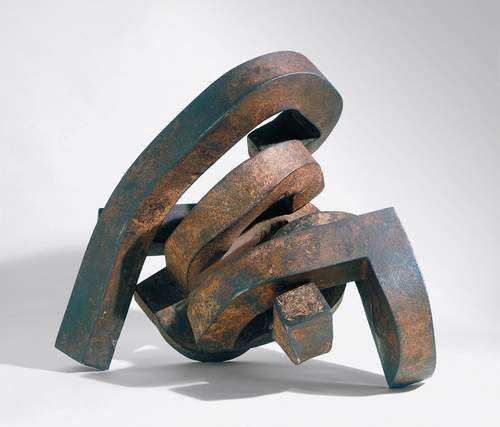
‘I cannot work it out. I cannot resolve it. It is always different.’ An abstract sculpture of interlocking forged iron …

Inescapable truths: Gerhard Richter I

John-Paul Stonard

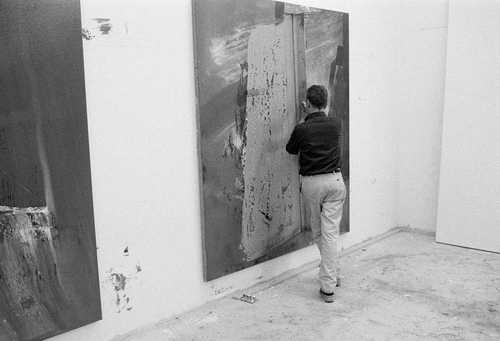
Tate Modern’s  exhibition explores the work produced over almost five decades by one of today’s most highly regarded artists. Richter …

Judgement days: Gerhard Richter II

Thomas Schütte

A former student remembers his ‘friendly, but merciless’ teacher

Kings of the vast: John Martin II

Ian Christie

In the early nineteenth century a fashion for enormous paintings flourished, and artists including Martin, Benjamin Haydon and Francis Danby …

Meditations on time: The Unilever Series: Tacita Dean

Philip Tinari

Over the years Dean’s poetic, meditative 16 mm films have ranged from portrait studies of Merce Cunningham and Mario Merz …

Meetings of minds: Barry Flanagan III

Paul Levy, Andrew Dipper, Braco Dimitrijevic and Andy Holden

Appreications from friends, fellow artists and a former pupil

MicroTate 23

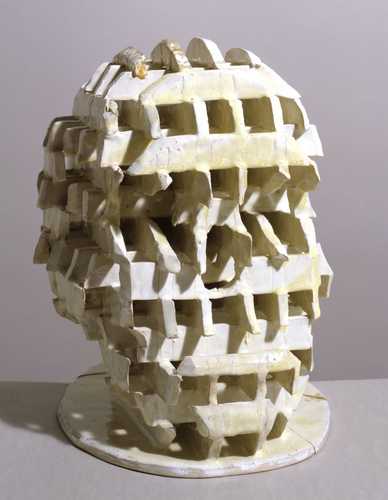
Klaus Weber, Ian Collins, Clare Woods and Josephine Meckseper

Reflections on a work in the Tate collection

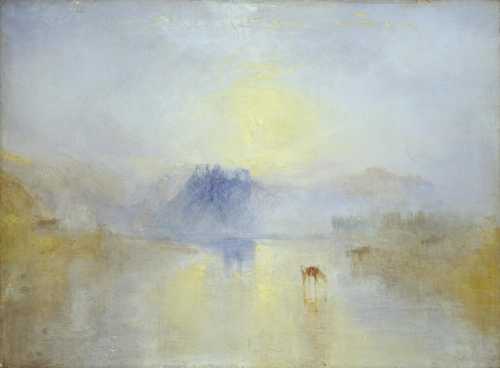
Poem of the month: Laura Scott: Norham Castle, Sunrise

Laura Scott

Every month, Tate Etc. publishes new poetry inspired by a work in the Tate. This June, Laura Scott was inspired …

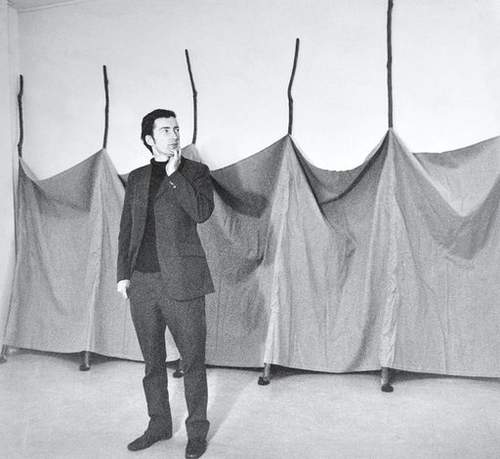
The poet of life and sculpture: Barry Flanagan I

John James

He may be best known for his bronze hare sculptures, but Flanagan’s early work using a variety of media such …

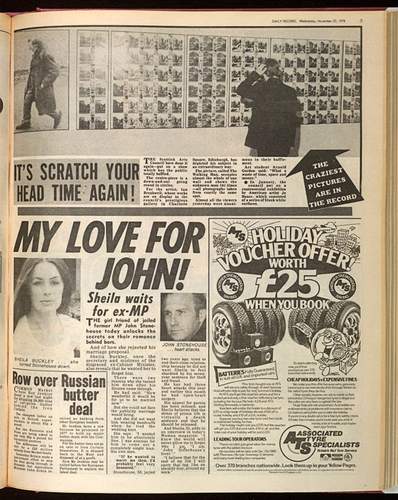
'A spit in the eye...': Behind the curtain

Austin Collings

On his first visit to the Tate archive, Austin Collings unearths a newspaper cutting on Ian Breakwell’s evocative photographic diary …

'That's my dad': Barry Flanagan II

Flan Flanagan

The daughter and assistant of the artist (from 1987 to 1998) remembers working with her father

Vaporous fantasies: Document: Robert Rauschenberg's photograms

Nicholas Cullinan

Before he became famous for his protean work, Robert Rauschenberg was making little-known but beautiful cameraless photograms with his then …

When I use a word... it means just what I choose it to mean: Alice in Wonderland II

Sam Thorne

Lewis Carroll demonstrated how inventive one could be with words and their meanings. Since the 1960s artists such as Mel …

Books Etc.

Thomas Phongsathorn, Matthew Bowman, Alison Dunhill and Charles Danby

Victor Pasmore's Black Abstract

Gabriel Kuri

In celebration of the reopening of Tate Britain, Tate Etc. invited a selection of artists from around the world to …

Close