

© Ayoung Kim, courtesy of the Artist and Hyundai Gallery
14 rooms in Artist and Society
A Year in Art: 2050 invites you to explore the different ways artists imagine ideas of the future
This display brings the work of three contemporary artists into conversation with paintings and sculptures from the early 20th century. Together, these artworks reflect how new technologies and experiences of modern life alter our relationships to the body, the city, and to each other.
In the early 1900s, artists witnessed rapid technological developments, escalating military conflicts and increased political turmoil. They formed groups in Italy, Russia, and the UK around ideas of futurism: an art movement that aimed to break from the past, mirroring the speed and dynamism of the modern world. The development of cars, industrial machines and electrified cities inspired ideas of a prosperous technological future. At the same time, many warned of the potential for these rapid changes to violently impact society.
The contemporary artists whose work is shown here consider similar ideas from the perspective of our current historical moment. Their work draws on the language of films, video games and science fiction.
Ideas of the future have often been a means for artists to reflect on the changes happening in the present. Coinciding with the 25th anniversary of Tate Modern, A Year in Art: 2050 asks how art can help us reimagine, today, the worlds we intend to build over the next quarter century.
Special thanks to the Asia-Pacific Acquisitions Committee for their support of this display.
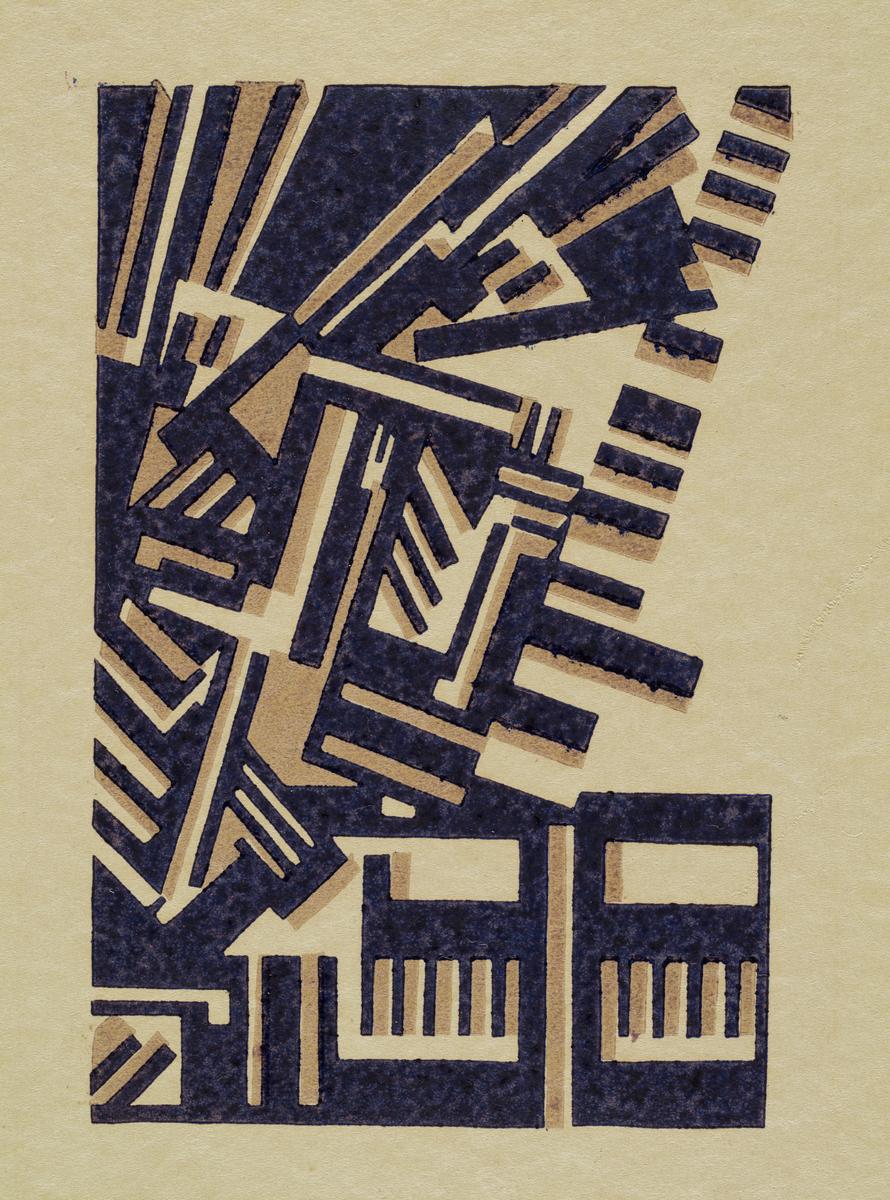
Edward Wadsworth, The Port c.1915
Wadsworth’s approach to printmaking was cool and impersonal, deliberately avoiding any suggestion of personal ‘handwriting’. Woodcut is a difficult medium, but the precision he applied to it enabled him to emphasise the ‘machine-like character of his art’. This print resembles the illustrations Wadsworth produced for the Vorticists’ magazine BLAST.
The terrible destruction caused by the first world war (1914-18), the first fully mechanised war, undermined Vorticism’s celebration of the machine. Nevertheless, Wadsworth continued to be fascinated by machinery throughout his life.
Gallery label, July 2008
1/10
artworks in A Year in Art: 2050
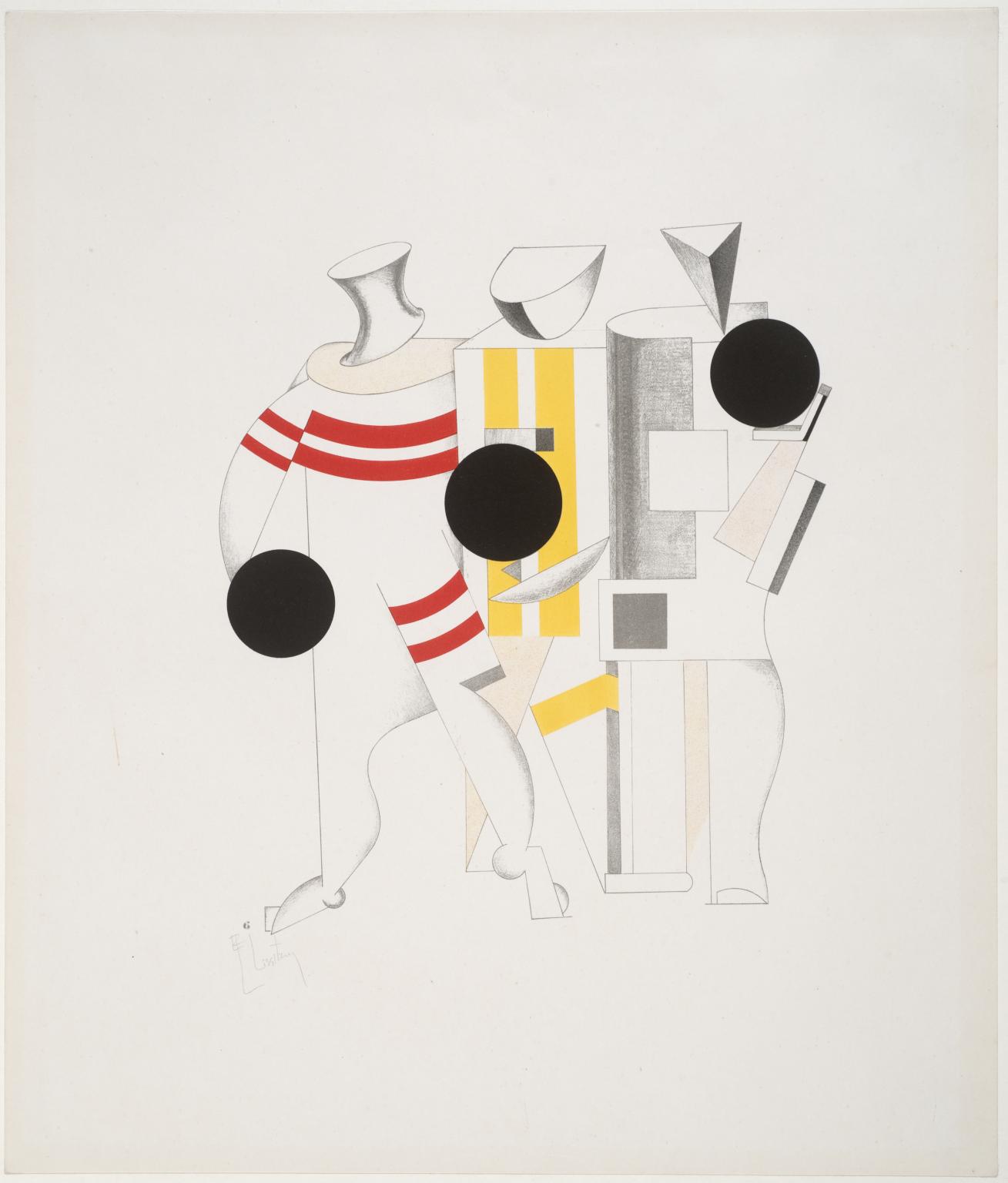
El Lissitzky, 6. Sportsmen 1923
2/10
artworks in A Year in Art: 2050
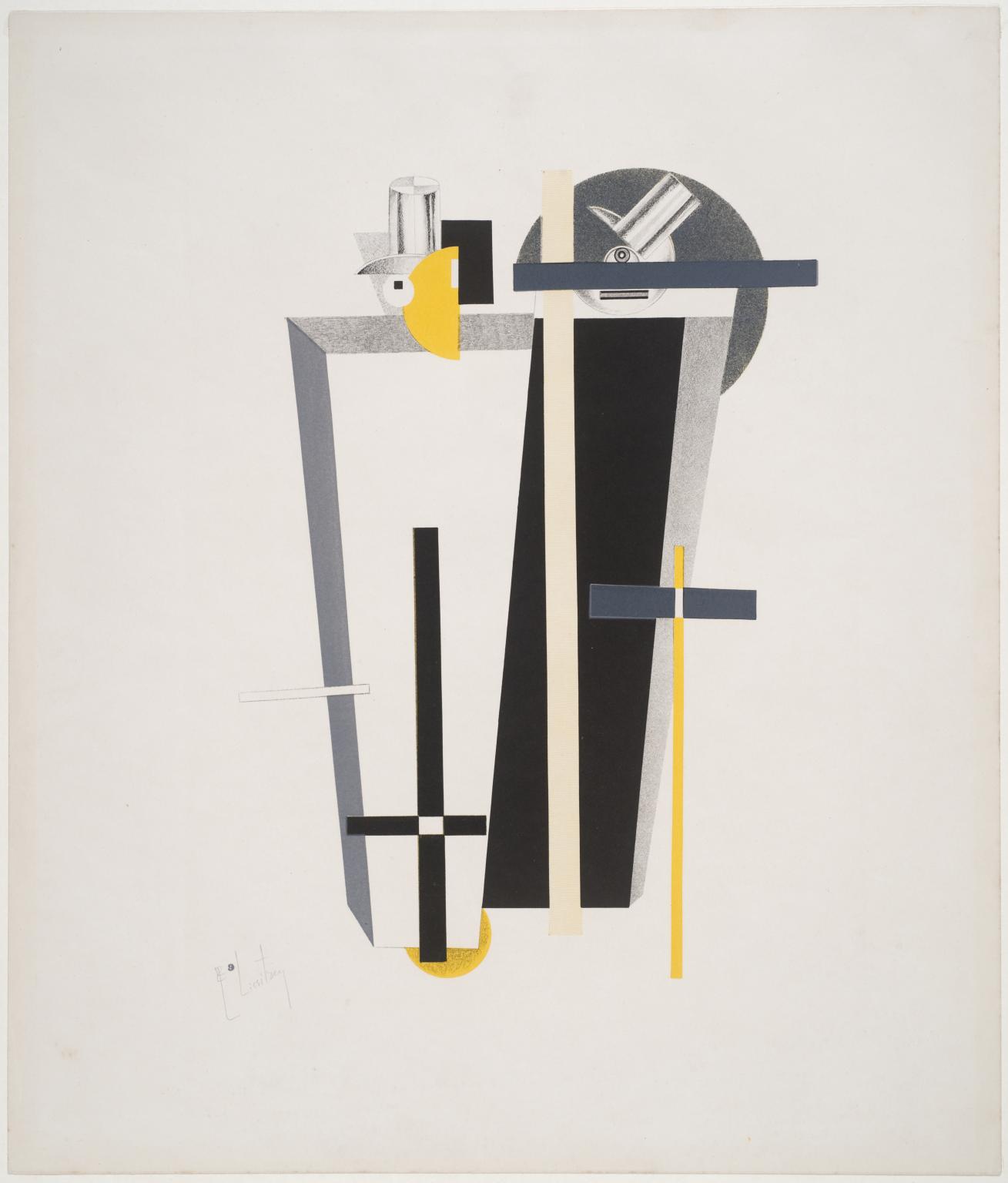
El Lissitzky, 9. Gravediggers 1923
3/10
artworks in A Year in Art: 2050
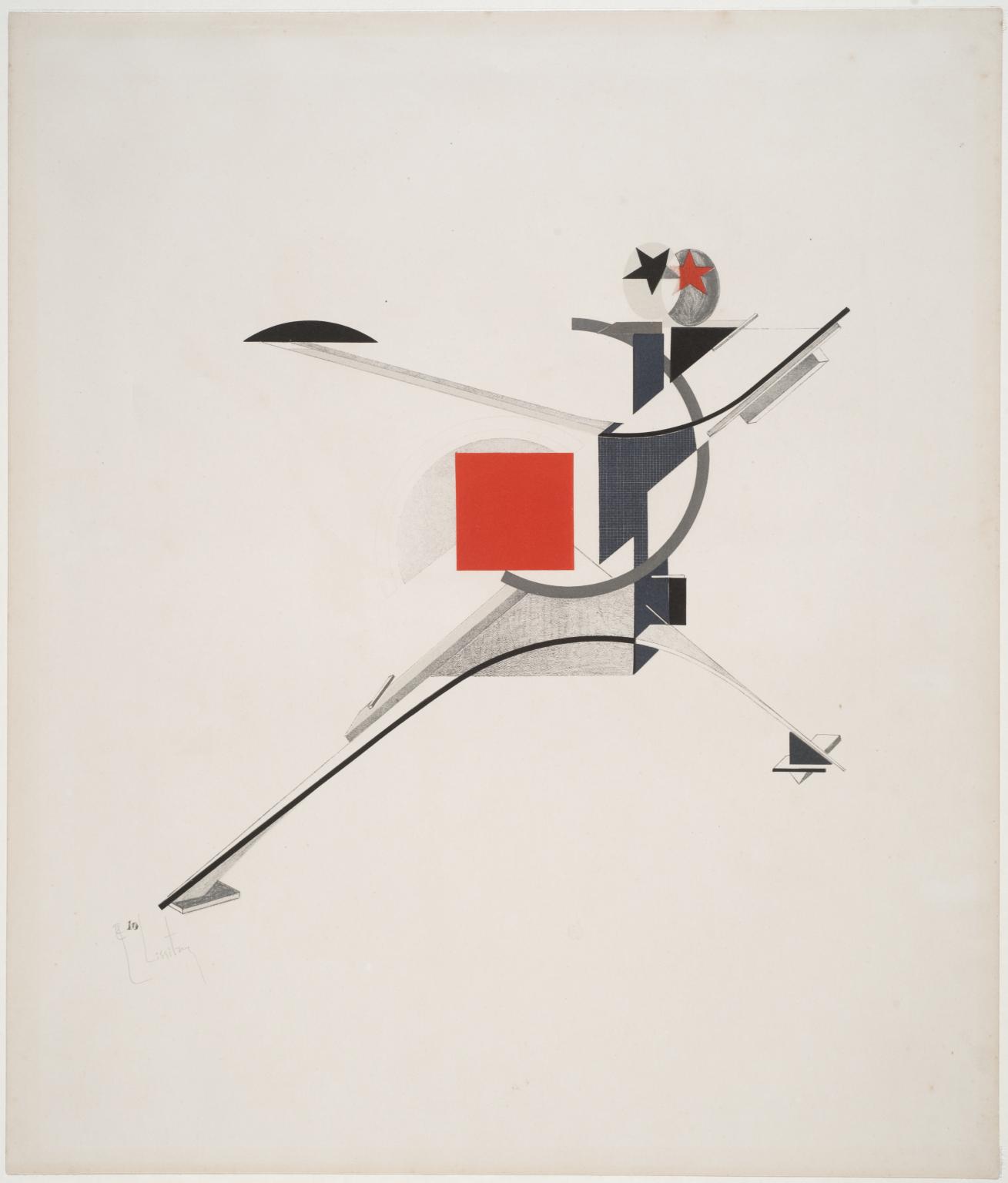
El Lissitzky, 10. New Man 1923
4/10
artworks in A Year in Art: 2050
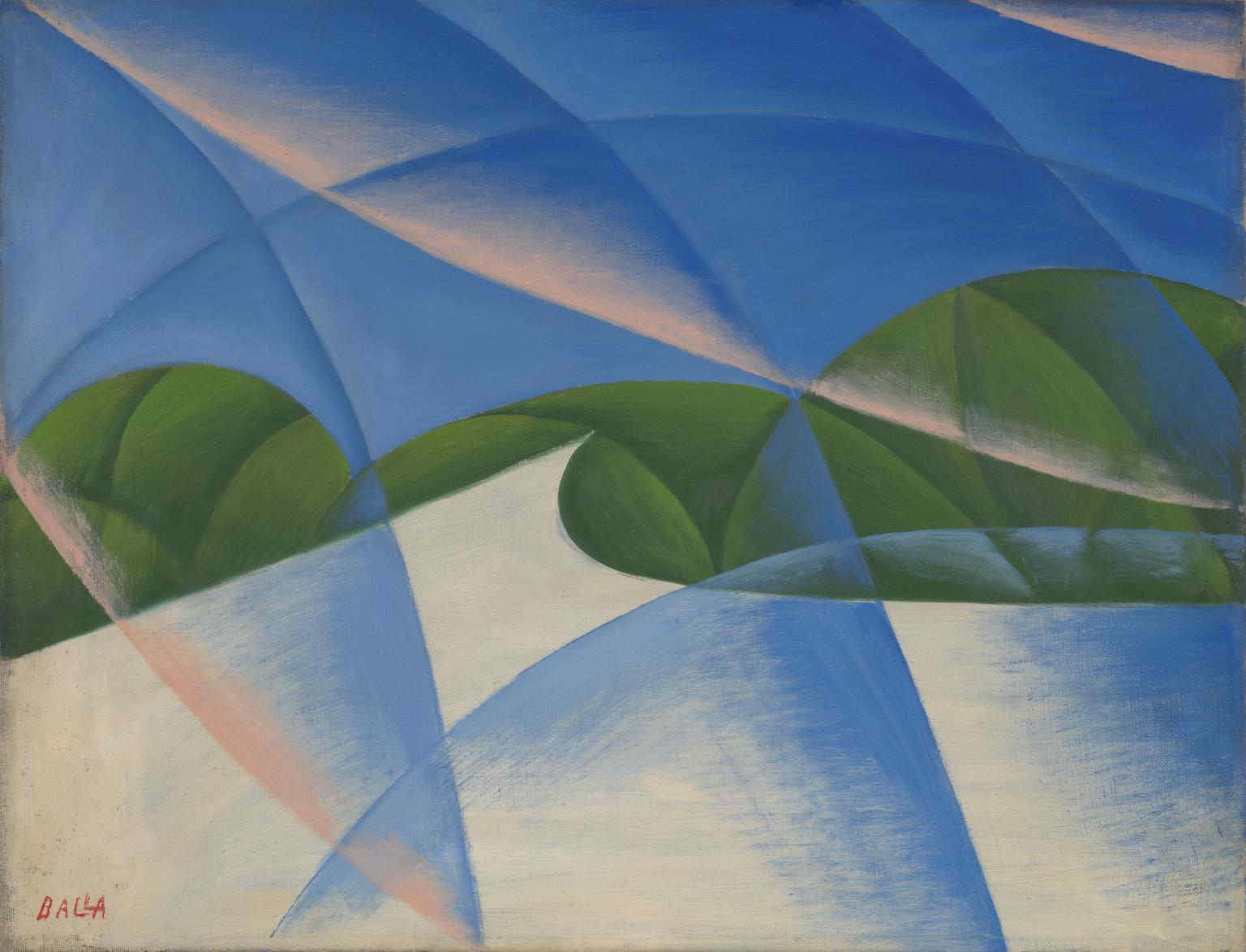
Giacomo Balla, Abstract Speed - The Car has Passed 1913
Ballà was a leading figure in the Italian Futurist group. He believed that the power and speed of machines such as cars were the salient characteristics of the modern age and aimed to express this idea in his work. This painting was originally the right-hand part part of a triptych. The left-hand part of the triptych was called 'Line of Force Landscape' and the central one 'Lines of Force Noise'. The theme of the triptych was the passage of a car along a white road, with green and blue forms, evoking earth and sky, in the background. The pinkish areas in this painting suggest the exhaust fumes left by the passing car.
Gallery label, September 2004
5/10
artworks in A Year in Art: 2050
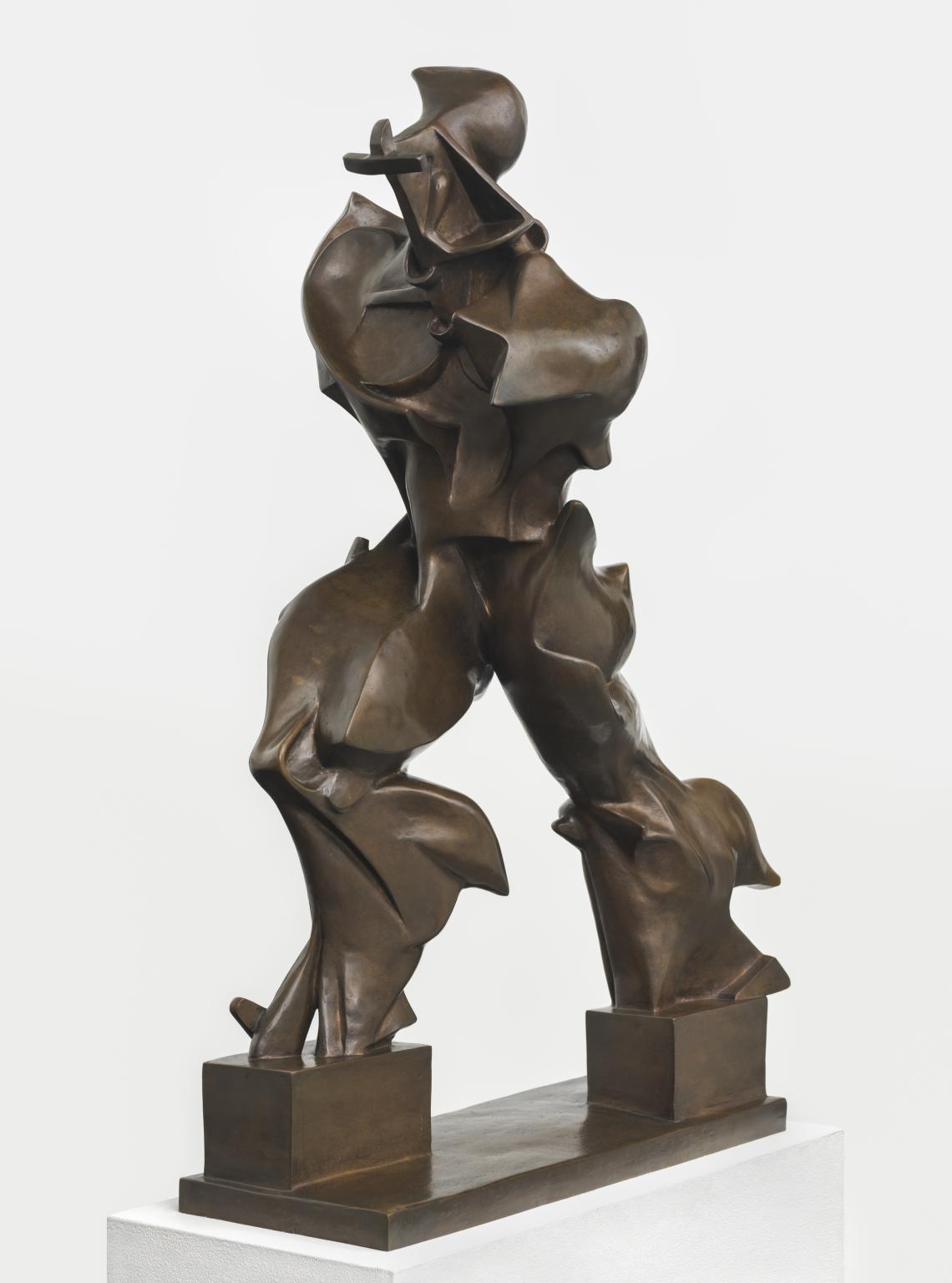
Umberto Boccioni, Unique Forms of Continuity in Space 1913, cast 1972
In the early years of the twentieth century, industrialisation swept across Italy. The futurist movement was founded by writers and artists like Umberto Boccioni, who enthused about new inventions such as cars and electricity. In Unique Forms of Continuity in Space, the figure is aerodynamically deformed by speed. Boccioni exaggerated the body’s dynamism so that it embodied the urge towards progress. The sculpture may reflect ideas of the mechanised body that appeared in futurist writings, as well as the ‘superman’ envisaged by the philosopher Friedrich Nietzsche.
Gallery label, February 2016
6/10
artworks in A Year in Art: 2050
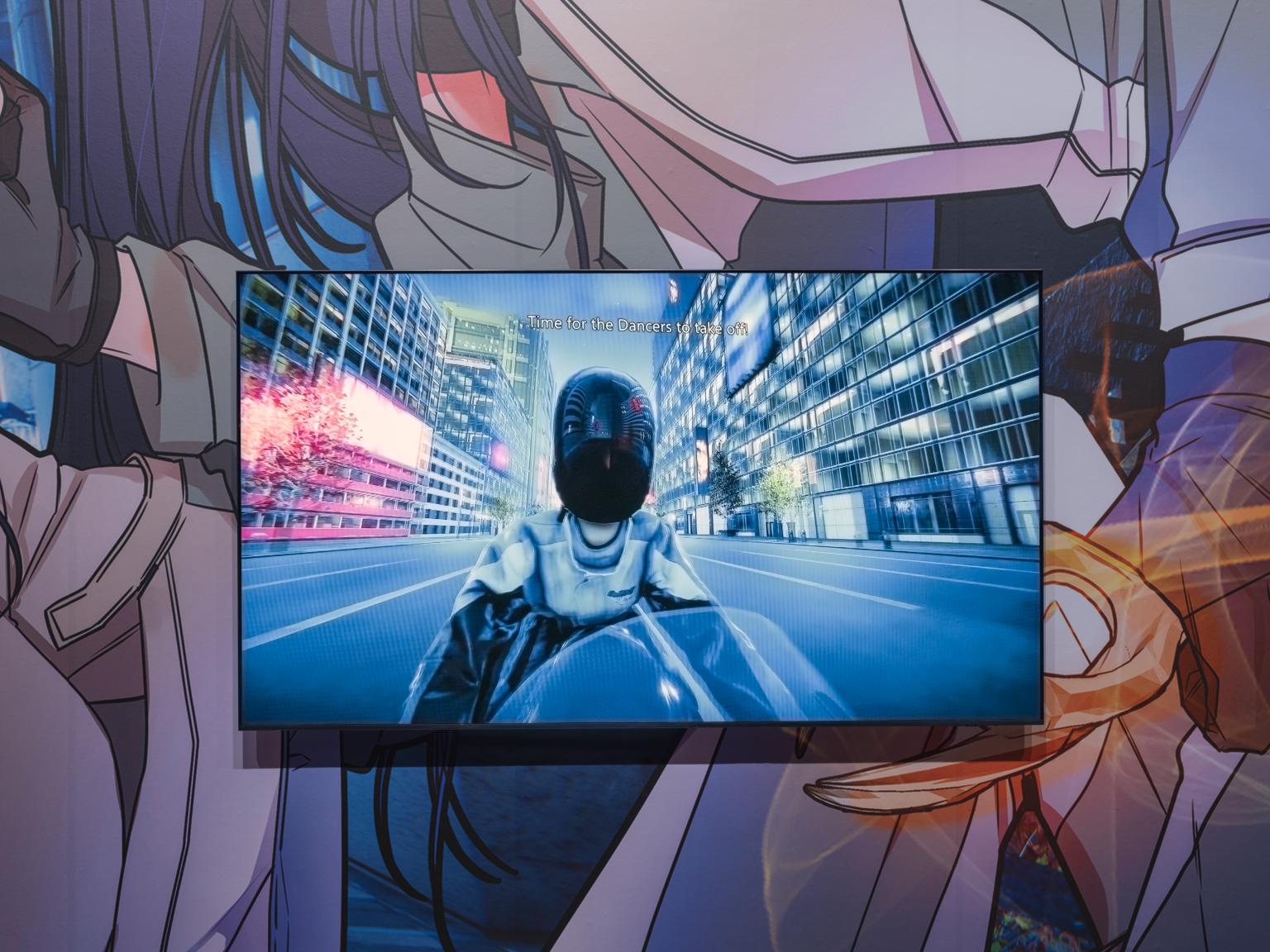
Ayoung Kim, Delivery Dancer’s Sphere 2022
7/10
artworks in A Year in Art: 2050
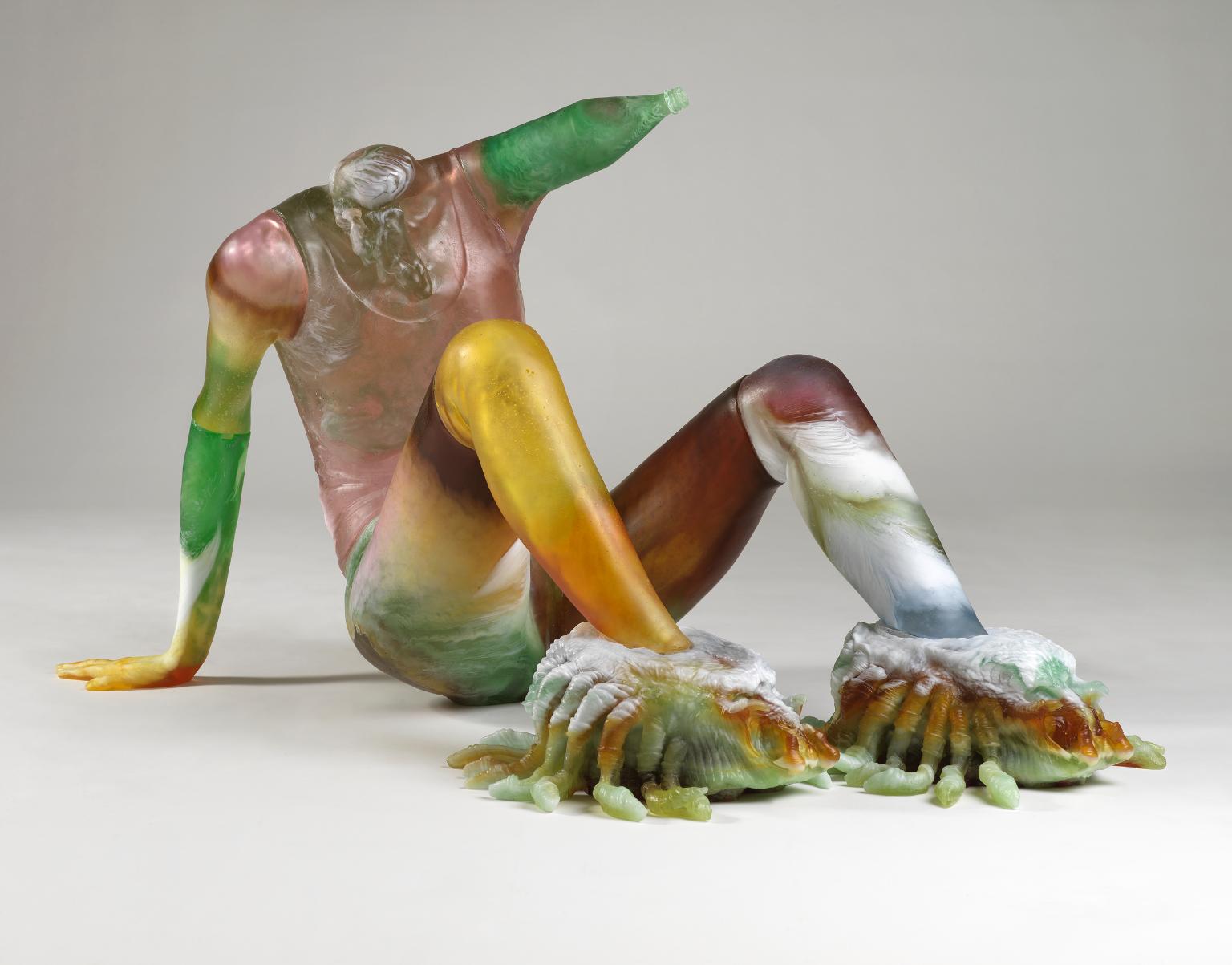
Andra Ursuţa, Predators ‘R Us 2020
8/10
artworks in A Year in Art: 2050
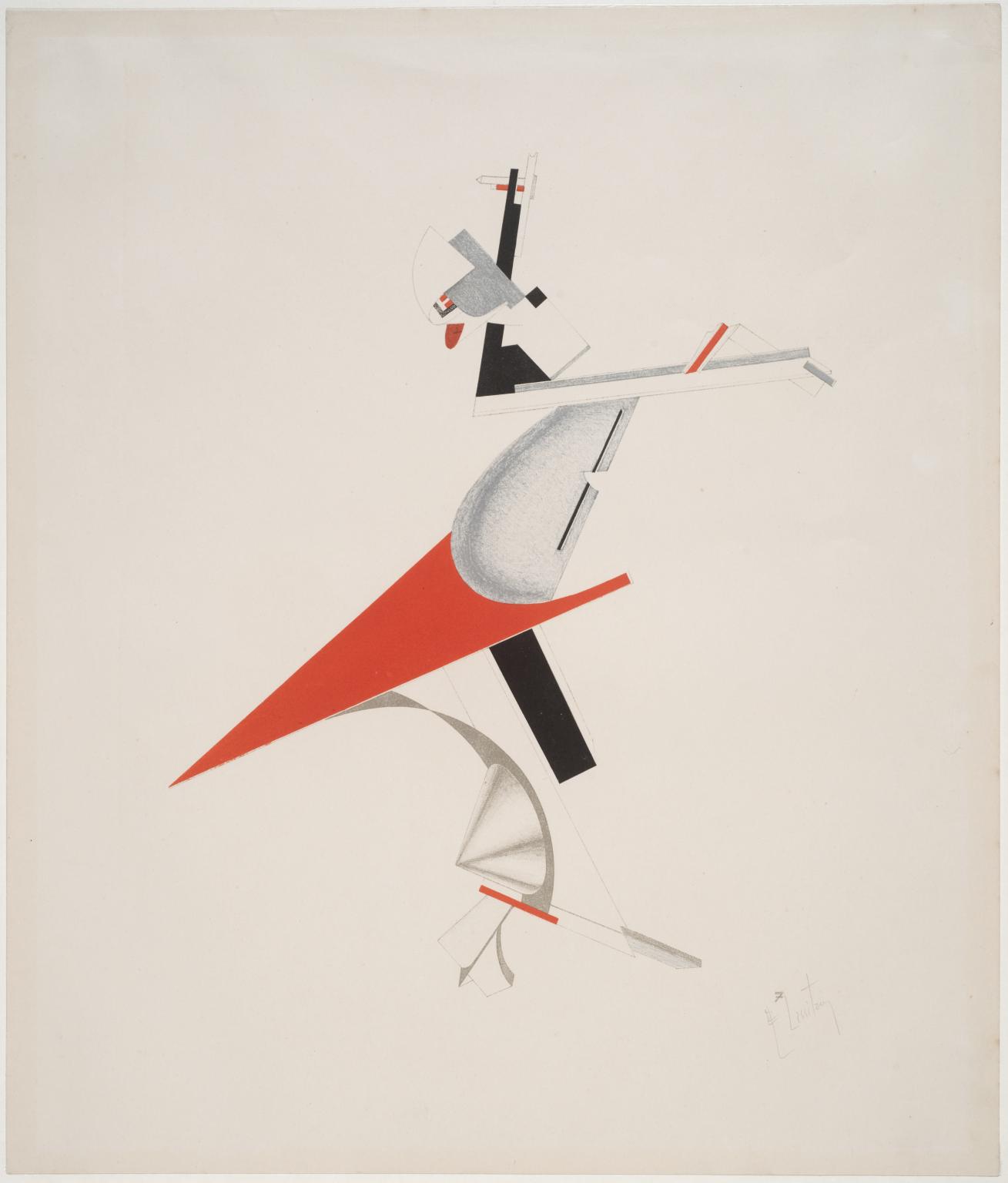
El Lissitzky, 7. Troublemaker 1923
9/10
artworks in A Year in Art: 2050
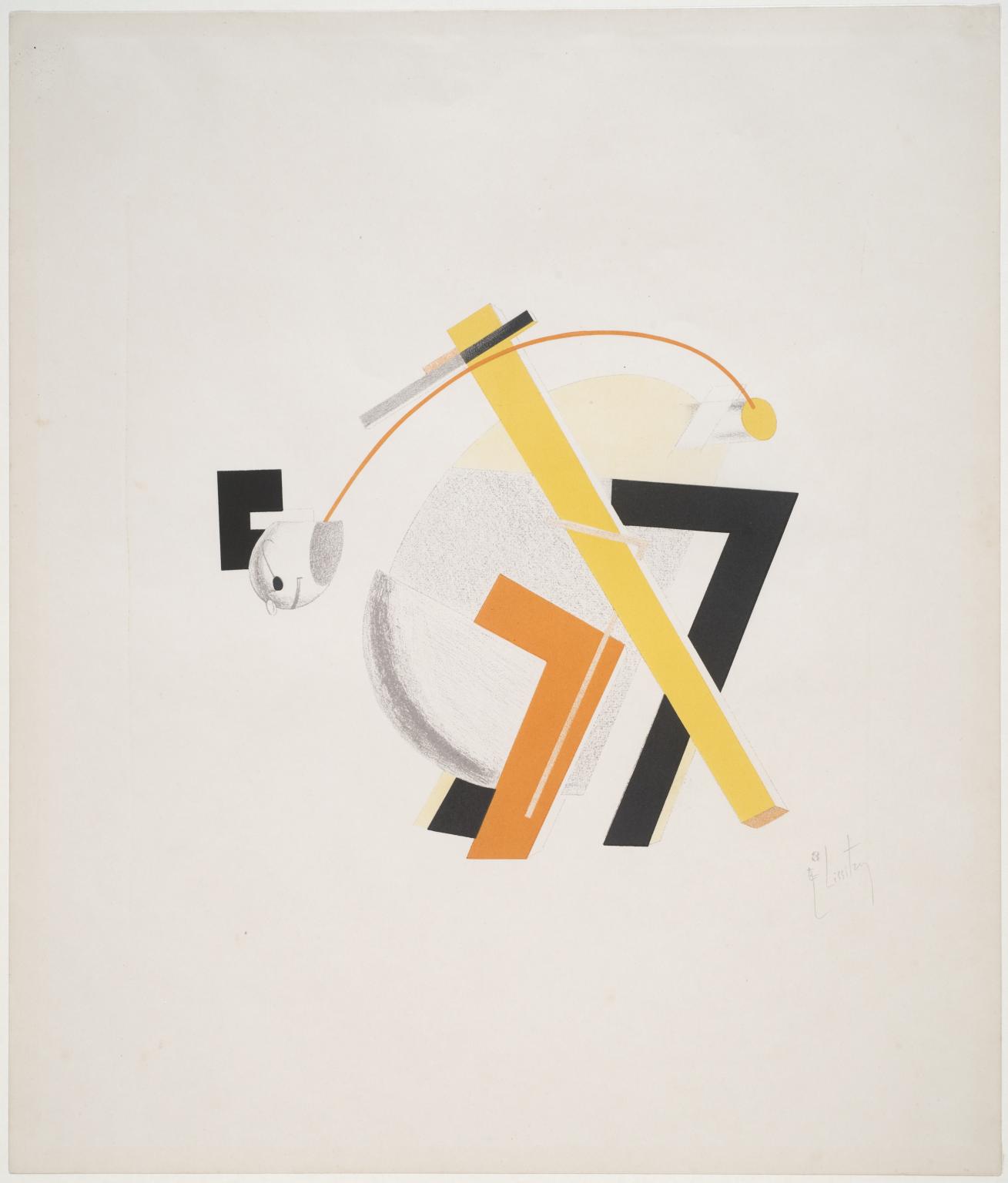
El Lissitzky, 8. Old Man (Head 2 Steps behind) 1923
10/10
artworks in A Year in Art: 2050
Art in this room
Edward Wadsworth
The Port
c.1915
El Lissitzky
6. Sportsmen
1923
El Lissitzky
9. Gravediggers
1923
El Lissitzky
10. New Man
1923
Giacomo Balla
Abstract Speed - The Car has Passed
1913
Umberto Boccioni
Unique Forms of Continuity in Space
1913, cast 1972
You've viewed 6/10 artworks
You've viewed 10/10 artworks